Blog & Guide
IoT Insights and Updates from Minew.
Ambient IoT is reshaping how everyday objects connect by combining energy harvesting, low-power communication, and existing network infrastructure. This article explains why battery-powered IoT is difficult to scale, how Ambient IoT collects and manages energy, and how active transmission differs from backscatter communication. It also examines passive, semi-passive, and active device classes, compares Ambient IoT with RFID, NB-IoT, and conventional sensors, and outlines its value, practical ...
Learn what Ambient IoT is, how energy harvesting works, and why traditional IoT fails to scale. Compare active vs. backscatter communications, device classes, and RFID/NB-IoT differences.

Explore how IoT applications connect devices, analyze real-time data, and automate decisions across 11 applications—plus security and implementation guidance
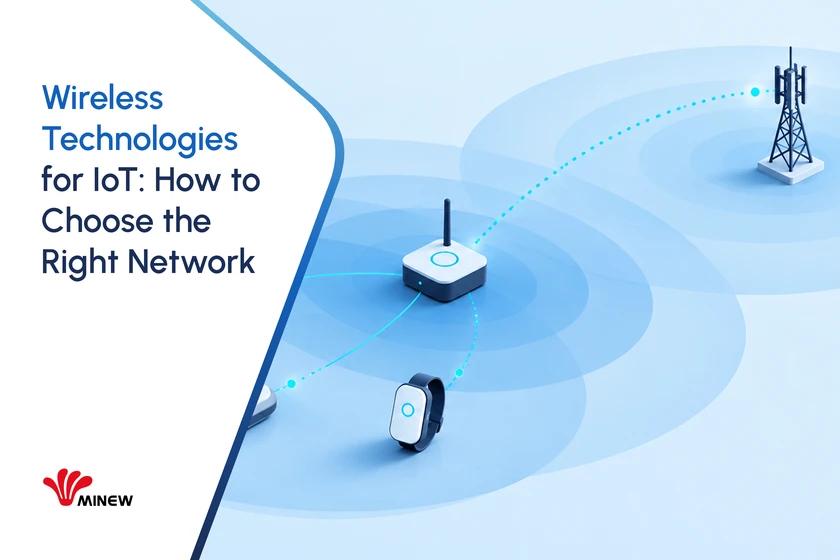
Explore wireless technologies for IoT, including Wi-Fi, Bluetooth, Zigbee, LoRaWAN, NB-IoT, LTE-M and 5G. Compare range, power, bandwidth, cost and use cases.
Compare ToF sensors, AI cameras, and mmWave radar for indoor people counting. Discover how 3D depth-sensing ToF technology maximizes accuracy, light immunity, and privacy compliance.
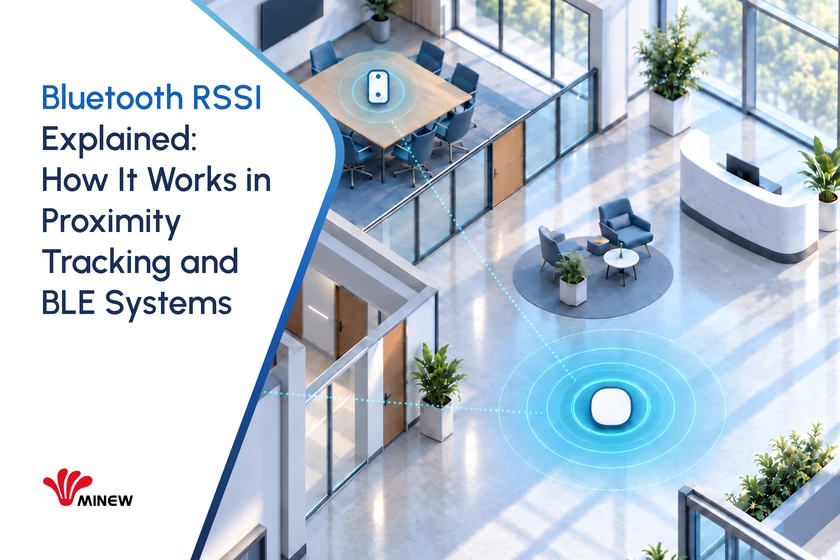
Learn what Bluetooth RSSI means, how to interpret dBm values, estimate distance, and use RSSI for IoT indoor positioning, asset tracking, and device monitoring.

Discover how IoT-enabled smart safety helmets use sensors, GPS, cameras, connectivity and cloud platforms to improve worker safety, communication and site efficiency.
Learn what Satellite IoT is, how satellite connectivity works, and where it delivers value. Explore applications, benefits and deployment considerations.
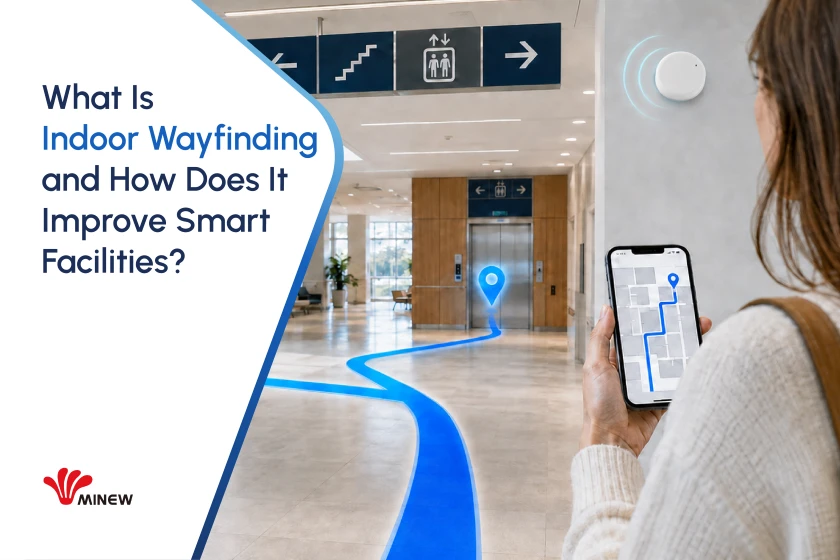
Learn what indoor wayfinding is, how indoor maps and positioning work, key use cases, benefits, and how to choose the right solution.
Discover everything you need to know about IoT device certification. Learn about how certified hardware accelerates time-to-market.