Blog & Guide
IoT Insights and Updates from Minew.
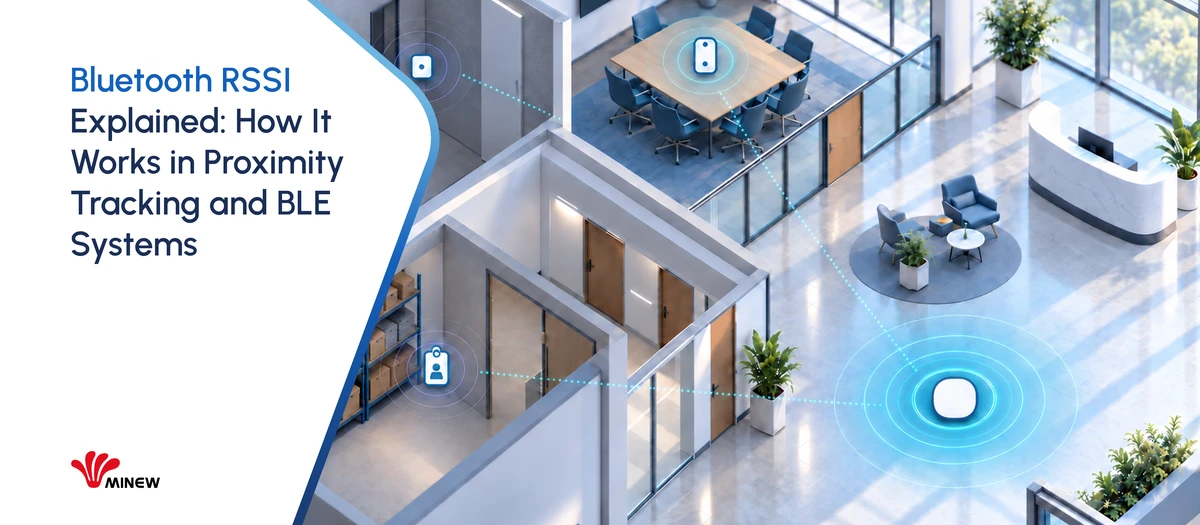
Bluetooth RSSI is a key metric for evaluating wireless signal strength in IoT and Bluetooth Low Energy applications. This guide explains how RSSI and dBm values work, how they can support distance estimation, indoor positioning, proximity detection, and asset tracking, and why readings are affected by obstacles, antennas, interference, and multipath effects. Learn practical calibration methods and when to choose RSSI, AoA, or UWB for more accurate positioning.
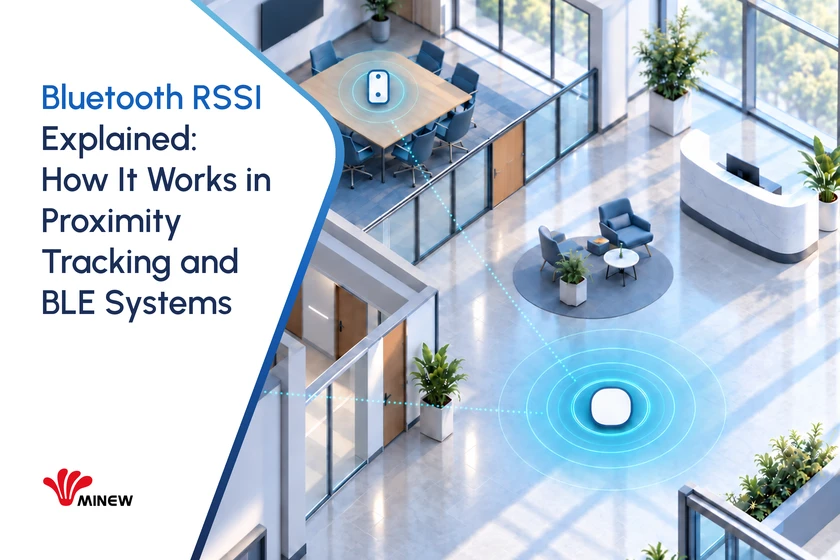
Learn what Bluetooth RSSI means, how to interpret dBm values, estimate distance, and use RSSI for IoT indoor positioning, asset tracking, and device monitoring.

Discover how IoT-enabled smart safety helmets use sensors, GPS, cameras, connectivity and cloud platforms to improve worker safety, communication and site efficiency.

Learn what Satellite IoT is, how satellite connectivity works, and where it delivers value. Explore applications, benefits and deployment considerations.
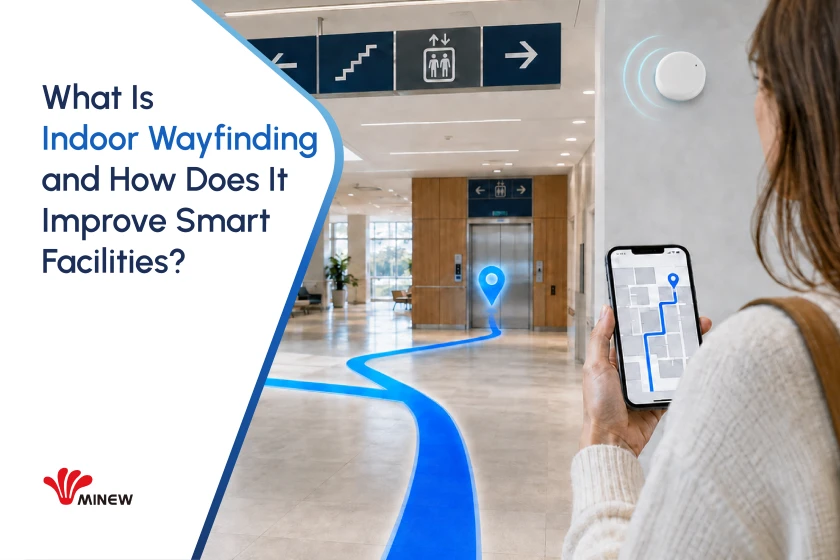
Learn what indoor wayfinding is, how indoor maps and positioning work, key use cases, benefits, and how to choose the right solution.
Discover everything you need to know about IoT device certification. Learn about how certified hardware accelerates time-to-market.

An in-depth exploration of the two core technologies in IoT indoor positioning: Bluetooth AoA vs. UWB.

Location shows where a shipment is. Condition data helps explain what happened along the way. Dis...

Discover how modern asset tracking works. Explore BLE, GPS, and LoRaWAN technologies to improve asset visibility, cut costs, and streamline operations.

Explore how IoT hardware, such as GPS trackers, smart sensors, and fleet telematics, optimizes last-mile logistics, enabling real-time tracking.
Wondering if the product is the right one for your business? Chat with real people.
 Chat now
Email
Chat now
Email