


配送用バンが時間通りに拠点を出発. 2時間後, 渋滞によりルートが閉鎖される. 1 人の顧客が対応できません, 別のサイトにはアクセス制限があります, そしてパッケージが見つからない. 朝の計画は正午までに失敗する.
これがラストワンマイル物流の日々の課題です. 各停留所には異なる制限とリスクがあります. リアルタイムの可視性がない場合, 小さな問題が見逃してしまう, 追加マイル, 繰り返しの訪問, そしてサポートコール.
IoT ソリューションにより、物流チームが車両から直接データを取得できる, 小包, パレット, と配信サイト. このデータは、早期に対応するのに役立ちます, より良い事実に基づいて計画を立てる, より明確な最新情報を顧客に提供します.
物流におけるラストマイルとは?
ラストマイルは、地元のハブからの商品の最後の移動です, 倉庫, 店, または配送センターから目的地まで. 消費者向け配送において, その目的地は多くの場合自宅です. B2B物流において, 工場かもしれない, 現場, 小売店, 病院, またはサービスセンター.
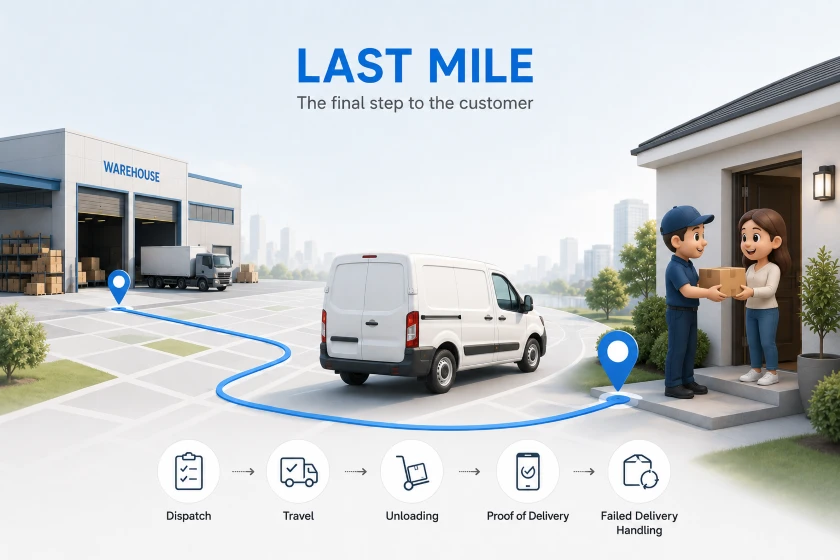
この用語は最終的なハンドオフを表します。, 一定の距離ではない. 発送込みです, 旅行, 荷降ろし, 配達証明, 配信処理に失敗しました.
この段階はサプライチェーンが顧客と出会う場所であるため重要です. 倉庫は注文を正しく処理する可能性があります, しかし、顧客は玄関先で何が起こるかによってサービスを判断します.
なぜラストマイル配送が直面するのか 多くの問題?
ラストマイル業務は物理的な問題に直面する, 人間, 日中に変化するデータの問題.
遅延と無駄の一般的な原因には次のものがあります。:
• 渋滞, 道路閉鎖, 天気, そして限られた駐車場
• 分散したエリアでは配送密度が低い
• 厳格な配送期間とサイトアクセスルール
• アドレスが間違っているか、受信者が利用できない
• 配車担当者とドライバー間の連携が不十分
• 紛失した小包または返却可能な容器
• 車両の故障と計画外のダウンタイム
• 現在のデータを共有しない別個のシステム
ルートの重複, 混雑, 長い田舎旅行, 追跡が断片化されると燃料使用量が増加する可能性があります, 配送密度を下げる, 在庫損失のリスクが増加します.
さらに深刻な問題は不確実性です. 配車担当者はトラックの位置を知っているかもしれない, しかし今はそうではありません. IoTハードウェア 動きをタイムリーなデジタルイベントに変えることで、このギャップを減らします.
ラストマイル物流における IoT ハードウェアのコア アプリケーション
フィールドハードウェアとゲートウェイを接続する実用的なIoTシステム, ネットワーク, および物流ソフトウェア. ハードウェアがデータをキャプチャする. ソフトウェアがアラートに変える, 到着予定時刻, そして作業指示書.
以下の表は、一般的なハードウェアが日常の意思決定をどのようにサポートしているかを示しています。.
| 運用上の必要性 | 典型的な IoT ハードウェア | キャプチャされたデータ | ビジネスアクション |
| 出荷の可視性 | GPSトラッカー, Bluetoothトラッカー, 細胞ラベル | 位置とルート状況 | 遅延を見つけて顧客に更新する |
| フリートコントロール | 車両ゲートウェイおよびテレマティクス ユニット | 位置, 走行距離, アイドルタイム | ルートを調整して負荷のバランスをとる |
| 資産の状態 | 温度, ショック, ライト, そしてドアセンサー | 取り扱いと環境イベント | 商品を保護し、損傷を確認します |
| 車両の健康状態 | エンジンおよびコンポーネントセンサー | 故障コードと摩耗信号 | 障害が発生する前にサービスをスケジュールする |
| 在庫の精度 | RFIDタグ, Bluetoothタグ, スキャナー | アイテムのアイデンティティとゾーンの位置 | カウントを自動化して紛失を防ぐ |
リアルタイムの追跡と可視性
リアルタイム追跡は 3 つの質問に答えます: 発送先はどこですか? どのような状態ですか? いつ到着する可能性がありますか?
GPS デバイスは車両と屋外資産を追跡します. Bluetooth Low Energy タグ 小包を識別する, パレット, ケージ, または倉庫や車両内の工具. 携帯電話ラベルは広範囲にデータを送信します. センサーは温度も報告できます, ショック, 動き, ドアの状態, または軽い露出.
このハードウェアはデジタル チェックポイントを作成します. 配送担当者は荷物がデポからいつ出発するかを確認できます, 停止時間が長すぎる, ジオフェンスを越える, もしくは顧客に届く. リアルタイムデータは遅延アラートとより正確な到着予測もサポートします.
主な価値は早期のアクションです. ディスパッチはストップを再割り当て可能, 承認されたエリア外の区画にフラグを立てる, または、サイトの遅延後に配信ウィンドウを調整する.
インテリジェントなフリート管理
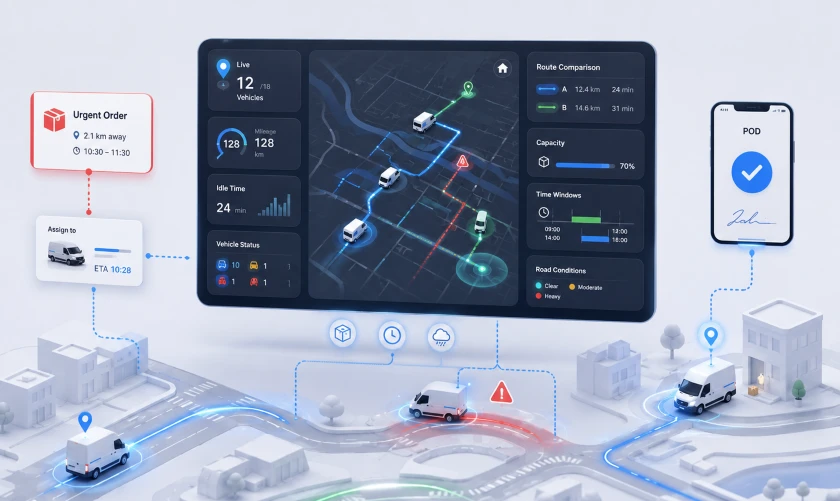
IoTゲートウェイ テレマティクスユニットは位置情報を送信できます, 走行距離, アイドルタイム, 車両のステータスを中央プラットフォームに送信. 配車担当者は、計画されたルートと実際の進捗状況を比較できます. 渋滞を回避して車両の方向を変えることができます, 近くのドライバーに緊急の指示を割り当てる, またはルート間の作業のバランスを取る.
フリートデータは時間を記録することで電子的な配達証明をサポートできます, 位置, 受信者の確認, そして結果. これにより紛争が軽減されます.
車両の位置と順序の優先順位を結び付ける最強のシステム, 容量, 顧客の時間枠, と道路状況 IoTフリート管理. このリンクは、ルートがアクティブである間、より適切な選択肢をサポートします.
予測メンテナンス
車両の故障により多くの注文が遅れる可能性がある, 別の車両が必要です, そして顧客の信頼を損なう.
予知保全 センサーとテレマティクスのデータを使用して、故障の前に摩耗の兆候を特定します. 入力にはエンジン障害コードが含まれる場合があります, ブレーキの状態, タイヤデータ, バッテリーの状態, 温度, 振動, と営業時間.
目標は、リスクを早期に発見して、中断の少ない時間にサービスをスケジュールすることです。. 業界のユースケースでは、車両データが摩耗パターンの検出に役立つことを示しています, 予期せぬ失敗を減らす, フリートの可用性を向上させる.
IoT ハードウェアによってもたらされる主な利点
運用効率の向上とコスト削減
IoT デバイスにより、チームは例外をより迅速に管理できるようになります. スタッフがドライバーに電話する時間を短縮, 資産を探しています, 紙の記録をチェックする, または苦情に対応する.
より良いルートデータにより、繰り返しの停車や不必要な走行距離を削減できます. 自動化されたインベントリ イベントにより手動スキャンが削減されます. 早期のメンテナンス アラートにより、障害がルート全体に影響を与えるのを防ぐことができます。. 正確な配達証明により紛争処理が短縮されます.
トラッカーだけでは業務は改善されません. ビジネスはデータを明確なルールに結び付ける必要があります. チームは誰がアラートを受け取り、その後どのようなアクションが続くかを把握する必要がある.
顧客エクスペリエンスとブランドロイヤルティの向上
で 2026, 顧客は、コストが低い場合には、より遅い配送オプションを受け入れる可能性があります, しかし、彼らは依然として、注文がどこにあるか、約束の時間が変更されたかどうかを知ることを期待しています. エンドツーエンドの可視性により正確な配信期間をサポート, 積極的な遅延通知, スムーズな問題処理.
可視化により顧客の労力が軽減される. 配達の準備ができる, サイトへのアクセスを手配する, またはサポートに電話せずにプランを変更する.
更新がタイムリーかつ誠実であると信頼が高まります. 明確な遅延通知は、多くの場合、不正確な約束の後に沈黙が続くよりも優れています。, 特に高額商品や時間に敏感な商品の場合.
在庫管理の改善
ラストマイルは車両が出発する前から始まります. デポでの在庫精度が低いと、誤った積載が発生する可能性があります, 不足している荷物, そして出発が遅れた.
Bluetooth タグでパレットを識別, 小包, コンテナ, 再利用可能な輸送アイテム. ゲートウェイは資産がゾーンに入ったときを記録します, ドックを離れる, または車両に積み込む. これにより、より最新の在庫ビューが作成され、手動検索が削減されます。.
Minew トラッキング製品はこの層の例を提供します. MTB07 Bluetoothパレットトラッカー パレットの可視性をサポート, 動きのアップデート, ジオフェンスアラート, およびオプションの衝撃検出. MBT02 接続可能な資産タグ 光と音のガイダンスを追加して、混雑した物流ハブでスタッフが商品を見つけられるようにします.
購入者向け, 重要な問題は、どのタグが最も長い機能リストを持っているかということではありません. どのハードウェアが資産に適合するかです, 環境, 更新速度, ネットワーク, バッテリープラン, および総導入コスト.
持続可能な発展
ラストワンマイルの持続可能性は、無駄な動きを減らすことから始まります.
現在の交通量と配送データは、車両が不必要な距離やアイドル時間を回避するのに役立ちます. より適切な計画を立てることで、繰り返しの訪問を減らすこともできます. これらの変更により、燃料使用量とそれに関連する排出量が削減される可能性があります.
IoTデータで走行距離を計測できる, アイドルタイム, エネルギーの使用, レポートと改善のための配信成功率.
購入者はバッテリー寿命も考慮する必要があります, 省エネモード, 修理オプション, とデバイスの再利用. 頻繁に交換する必要がある安価なトラッカーは、より多くのサービス作業と電子廃棄物を生み出す可能性があります.
結論
ラストワンマイルの物流には常に交通量が含まれます, 顧客の変化, サイト制限, そして予期せぬ出来事. 目標はすべての問題を取り除くことではありません. 目標は、問題を早期に発見し、より適切な情報で対応することです.
IoT ハードウェアはフィールドレベルの可視性を提供します. トラッカーは商品や車両がどこにあるかを示します. センサーが状態を表示. テレマティクス データは車両の制御とメンテナンスをサポートします. タグとゲートウェイにより、発送前の在庫精度が向上します.
プロジェクトの成功は、1 つの明確な運用上の問題から始まります, 測定可能な結果, 実環境に適合したハードウェアと. データが迅速な行動につながるとき, ラストマイル業務の効率化, 予測可能な, そして顧客から信頼されやすくなる.
サプライチェーンと物流のトレンドをさらに深く掘り下げたい? これらの関連記事をチェックしてください:
 今すぐチャット