


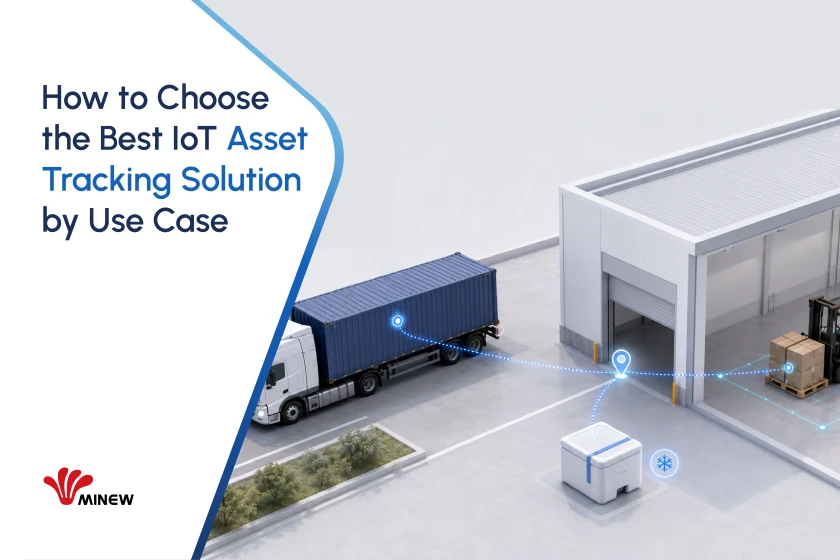
Uno strumento mancante può ritardare la produzione. Un dispositivo medico smarrito può rallentare la cura del paziente. Un cambiamento di temperatura può mettere a rischio un’intera spedizione. In ogni caso, l'azienda ha bisogno delle stesse risposte di base: Dov'è la risorsa? In che condizioni è? Viene utilizzato come previsto??
Il monitoraggio delle risorse IoT aiuta i team a rispondere a queste domande con tag connessi, sensori, gateway, e software. Può ridurre i tempi di ricerca, migliorare l'accuratezza dell'inventario, prevenire la perdita, e aiutare il personale a rispondere più rapidamente ai problemi.
Tuttavia, nessuna singola tecnologia di tracciamento è adatta a ogni ambiente. Un container che si sposta da un paese all'altro ha esigenze diverse rispetto a uno strumento all'interno di una fabbrica. Un ospedale potrebbe aver bisogno di una visibilità a livello di stanza per alcuni dispositivi e di una posizione a livello centimetrico per le apparecchiature critiche.
La migliore soluzione di tracciamento delle risorse IoT dipende quindi dal caso d’uso. La connettività GPS e cellulare è spesso adatta per risorse esterne remote. LoRaWAN supporta il monitoraggio a basso consumo in campus e siti industriali. BLE offre un'opzione pratica per il tracciamento indoor, mentre UWB supporta applicazioni che necessitano di dati sulla posizione molto precisi.
Questa guida spiega come funzionano queste tecnologie, dove ognuno si adatta, e cosa considerare prima di passare da una fase pilota a una distribuzione più ampia.
Cosa dovresti definire prima di scegliere una soluzione?
I progetti di tracciamento delle risorse più efficaci iniziano con un obiettivo operativo. La selezione della tecnologia diventa molto più semplice una volta che l'azienda sa quale evento desidera rilevare.
Gli obiettivi comuni includono:
• Reperimento di attrezzature all'interno di una struttura
• Confermare che una risorsa rimane in una zona approvata
• Tracciamento di un veicolo o di una spedizione durante il trasporto
• Identificazione dei movimenti di asset non autorizzati
• Monitoraggio della temperatura, umidità, shock, o vibrazione
• Migliorare l'utilizzo delle risorse
• Riduzione del lavoro di inventario manuale
• Sostenere le norme di sicurezza relative a veicoli e macchinari
Un progetto volto a verificare se un pallet si trova in un magazzino non necessita della stessa precisione di un sistema che guida un veicolo automatizzato. Requisiti chiari aiutano il team a controllare i costi, consumo di energia, e le esigenze infrastrutturali.
Ambiente di distribuzione
La prima domanda è dove opererà l’asset.
Gli ambienti interni spesso contengono pareti, rastrelliere metalliche, macchine, persone, e merci immagazzinate. Questi oggetti possono influenzare i segnali radio. BLE, UWB, E Wifi sono opzioni indoor comuni perché funzionano con l'infrastruttura locale.
Le risorse esterne possono viaggiare attraverso le città, regioni, o paesi. GNSS può fornire le coordinate esterne, mentre le reti cellulari possono inviare i dati a una piattaforma cloud.
Alcune risorse si spostano tra entrambi gli ambienti. Una spedizione può viaggiare su un'autostrada, entrare in un centro di distribuzione, e rimanere all'interno di un magazzino per diversi giorni. Questi viaggi possono trarre vantaggio da un tracker ibrido che può utilizzare diversi metodi di posizionamento.
Movimento e valore delle risorse
Un veicolo in movimento potrebbe richiedere frequenti aggiornamenti della posizione. Una macchina fissa può necessitare solo della presenza, condizione, e monitoraggio delle manomissioni.
Il valore patrimoniale modella anche la progettazione del sistema. Attrezzature di alto valore possono giustificare un tracciamento più preciso, intervalli di reporting più brevi, e una protezione fisica più forte. Per esempio, un ospedale può utilizzare il rilevamento preciso della posizione per le apparecchiature di imaging mobili, mentre un'impresa edile può aggiungere avvisi di manomissione e segnalazioni di movimenti frequenti a macchinari di valore.
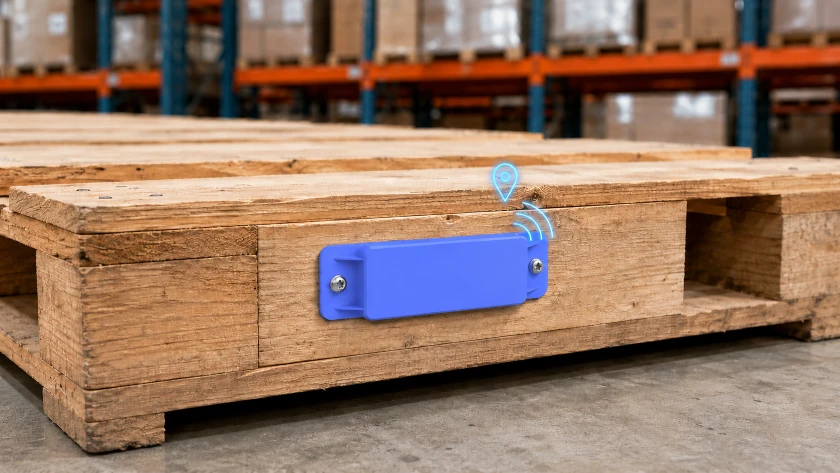
Gli articoli di valore inferiore spesso necessitano di un tag economico che possa essere distribuito in grandi numeri. Un magazzino può essere collegato in modo semplice Tag BLE a migliaia di pallet, BIIN, o contenitori riutilizzabili. In questo caso, basso costo del dispositivo, lunga durata della batteria, e la semplice installazione può essere più importante della posizione esatta.
Potenza disponibile
I veicoli e le macchine a motore possono spesso supportare una frequente trasmissione di dati. Pallet, contenitori, utensili, e l'imballaggio restituibile di solito dipendono dalle batterie.
La durata della batteria può variare con:
• Frequenza delle segnalazioni
• Frequenza di campionamento del sensore
• Qualità del segnale di rete
• Metodo di posizionamento
• Tentativi di trasmissione
• Temperatura operativa
• Impostazioni di rilevamento del movimento
• Tipo e capacità della batteria
L'analisi congiunta di questi fattori aiuta i team a stimare le esigenze di manutenzione in modo più accurato. Inoltre, rende i confronti tra prodotti più significativi.
Precisione della posizione richiesta
La precisione dovrebbe corrispondere a una decisione aziendale reale.
A un team logistico potrebbe bastare sapere che un container è arrivato in un porto. Un magazzino potrebbe necessitare di una posizione a livello di corridoio. Un ospedale potrebbe dover identificare la stanza contenente un dispositivo. Un'applicazione di sicurezza in fabbrica potrebbe richiedere la distanza esatta tra un lavoratore e un veicolo in movimento.
Selezionare il giusto livello di precisione aiuta a evitare infrastrutture non necessarie pur continuando a fornire le informazioni di cui il personale ha bisogno.
Tecnologie di tracciamento delle risorse IoT a confronto
La tabella seguente fornisce una panoramica pratica. Le prestazioni effettive dipendono dal design del dispositivo, installazione, materiali da costruzione, posizionamento del gateway, condizioni di rete, e configurazione del software.
| Tecnologia | Risultato della posizione tipica | Copertura | Profilo di potenza | Costo relativo | Applicazioni adatte |
| BLE | Zona, camera, o posizione a livello di contatore, a seconda della progettazione del sistema | Copertura interna locale | Basso | Basso | Utensili, inventario, attrezzature ospedaliere, e badge del personale |
| UWB | Posizione a livello decimale o centimetrico | Area interna delimitata | Medio | Da medio ad alto | Posizione precisa delle risorse, controllo del processo, e applicazioni di sicurezza |
| Wifi | Posizione a livello di zona o stanza in molte distribuzioni | Edifici con copertura Wi-Fi | Medio | Da basso a medio | Dispositivi abilitati Wi-Fi e visibilità interna generale |
| LoRaWAN | Luogo, zona, o posizione ampia, a seconda della sorgente di posizionamento | Campus, sito industriale, azienda agricola, o città | Basso | Da basso a medio | Beni a lenta rotazione, attrezzatura industriale, e reti di sensori |
| GNSS con cellulare | All'aperto a livello del metro in condizioni adeguate | Regionale o globale, in base alla copertura cellulare | Da medio ad alto | Da medio ad alto | Veicoli, contenitori, rimorchi, e attrezzature per esterni |
| Posizionamento cellulare | Area ampia o posizione a livello di cella | Area larga | Medio | Medio | Monitoraggio remoto e posizione di backup |
Queste tecnologie spesso lavorano insieme. Una radio può calcolare o supportare la posizione, mentre un altro trasporta i dati sulla piattaforma.
Per esempio, un localizzatore può utilizzare GNSS per determinare la sua posizione esterna e LTE-M per inviare le coordinate. Un sistema della catena del freddo può utilizzare sensori BLE per raccogliere letture della temperatura e un gateway cellulare per caricarle.
Le migliori soluzioni di monitoraggio delle risorse IoT in base al caso d'uso
1. Risorse mobili remote e all'aperto
Approccio consigliato: GNSS con connettività cellulare
Il GNSS combinato con LTE-M o NB-IoT è una scelta vincente per le risorse che viaggiano in ampie aree esterne.
Le applicazioni tipiche includono:
• Monitoraggio della flotta e del rimorchio
• Contenitori di spedizione
• Macchine edili
• Generatori mobili
• Carico di alto valore
• Attrezzatura da campo
• Infrastruttura remota
Il GNSS fornisce le coordinate della posizione quando il localizzatore ha un accesso adeguato ai segnali satellitari. La connettività cellulare invia la posizione e i dati dei sensori alla piattaforma di tracciamento.
Le prestazioni GNSS nel mondo reale dipendono dalla geometria del satellite, progettazione del ricevitore, condizioni atmosferiche, e ostacoli al segnale nelle vicinanze.
Considerazioni sulla progettazione
La frequenza di aggiornamento dovrebbe riflettere il movimento dell’asset e la potenza disponibile. Un veicolo a motore può supportare segnalazioni frequenti. Un contenitore alimentato a batteria può utilizzare rapporti pianificati e aggiornamenti attivati dal movimento.
Anche il team di progetto dovrebbe considerare:
• Copertura cellulare lungo tutto il percorso
• Bande portanti supportate
• Roaming regionale
• Archiviazione locale dei dati in caso di perdita della rete
• Classificazione della custodia del dispositivo
• Intervallo di temperatura
• Rilevamento manomissione
• Configurazione remota
• Supporto per l'aggiornamento del firmware
Minew MTB04 Etichetta di spedizione 5G combina il GPS con la connettività NB-IoT e LTE-M. È progettato per la visibilità della spedizione e può anche supportare il monitoraggio delle condizioni di merci sensibili o di alto valore.
IL Gateway LTE mobile per esterni MG5 combina il GPS, connettività cellulare, e raccolta dati Bluetooth. Può raccogliere dati dai sensori BLE vicini e inviare tali informazioni a una piattaforma cloud.
Quando un design ibrido può aiutare
I segnali satellitari possono diventare più deboli all'interno degli edifici, sotto strutture dense, o all'interno di contenitori metallici. Le risorse che si spostano tra aree esterne e interne possono trarre vantaggio da un secondo metodo di posizionamento, come BLE.
Ciò consente allo stesso dispositivo o sistema di fornire le coordinate esterne durante il trasporto e le informazioni sulla presenza interna dopo l'arrivo.
2. Campus, Siti industriali, Farms, UNd cantieri
Approccio consigliato: LoRaWAN
LoRaWAN è progettato per inviare piccole quantità di dati su lunghe distanze mantenendo basso il consumo energetico del dispositivo. È particolarmente adatto ai siti di grandi dimensioni in cui le organizzazioni possono installare gateway privati o connettersi a una rete pubblica disponibile.
Le applicazioni comuni includono:
• Monitoraggio delle apparecchiature industriali
• Monitoraggio delle risorse del cantiere
• Attrezzature agricole
• Infrastrutture dei servizi pubblici
• Risorse della città intelligente
• Articoli di trasporto restituibili
• Attrezzature esterne a movimento lento
• Sensori ambientali
LoRaWAN può supportare lunghi periodi operativi perché i dispositivi possono rimanere inattivi tra un report e l'altro.
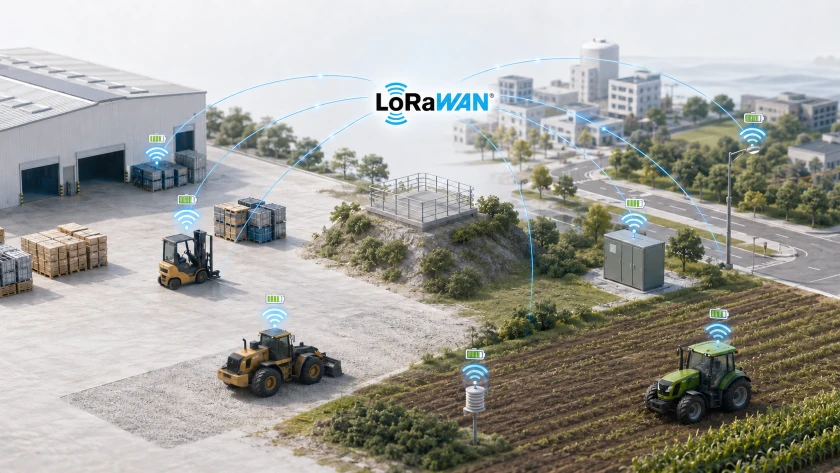
Comprendere il posizionamento LoRaWAN
LoRaWAN fornisce principalmente la comunicazione. La posizione della risorsa può provenire da diverse fonti:
• GNSS all'interno del localizzatore
• Zone di copertura del gateway
• Geolocalizzazione basata sulla rete
• Segnali BLE o Wi-Fi nelle vicinanze
• Un record di installazione noto
Ciò offre ai progettisti di sistemi diversi modi per bilanciare la precisione, durata della batteria, e costo.
La LoRa Alliance afferma che la geolocalizzazione della rete può supportare risorse lente che inviano aggiornamenti sulla posizione a intervalli più lunghi. Le applicazioni che richiedono aggiornamenti molto frequenti potrebbero richiedere una progettazione diversa poiché un reporting più rapido aumenta l'energia e l'utilizzo della rete.
Minew Localizzatore di risorse GPS ad energia solare LoRaWAN® LTB01-S combina il posizionamento GPS, Comunicazione LoRaWAN, e rilevamento di manomissioni. Può supportare la visibilità delle risorse esterne all'interno delle aree coperte da gateway LoRaWAN idonei.
Dove LoRaWAN si adatta meglio
LoRaWAN è un ottimo candidato quando l'azienda necessita di informazioni periodiche sulla posizione o sullo stato anziché di un percorso continuo di movimento.
Se un'applicazione necessita di un posizionamento interno esatto o di avvisi di prossimità molto rapidi, BLE o UWB possono fornire una corrispondenza più simile.
3. Strumenti per interni, Attrezzatura, e inventario
Approccio consigliato: BLE
BLE offre un modo economico e a basso consumo per monitorare un gran numero di risorse interne.
Un tag BLE trasmette regolarmente il suo identificatore in modo che i gateway fissi, dispositivi mobili, oppure i localizzatori Bluetooth possono rilevarlo. Alcuni tracker BLE contengono anche sensori di movimento, temperatura, umidità, leggero, o rilevamento di manomissioni. Questi dispositivi possono fornire informazioni sulla posizione e monitoraggio delle condizioni attraverso la stessa connessione wireless.
Il software utilizza i dati ricevuti per segnalare la presenza, zona, camera, posizione stimata, o condizione patrimoniale.
BLE è adatto per domande come:
• Il bene è all'interno dell'edificio?
• Quale stanza o zona lo contiene?
• Quando è stato rilevato l'ultima volta?
• Ha lasciato un'area autorizzata?
• Qualcuno ha rimosso il tag?
• La batteria necessita di attenzione?
Le applicazioni tipiche includono:
• Strumenti di magazzino
• Attrezzature mediche
• Asset produttivi
• Attrezzature per ufficio
• Contenitori di inventario
• Imballaggio riutilizzabile
• Badge del personale
Pianificazione della copertura BLE
Gamma Bluetooth non è una distanza fissa. Dipende dalla potenza della radio, sensibilità del ricevitore, progettazione dell'antenna, barriere fisiche, e condizioni radio locali.
Il Bluetooth SIG spiega che la portata effettiva del Bluetooth può variare da meno di un metro a più di un chilometro, a seconda del prodotto e dell'ambiente.
Per un progetto indoor, le squadre dovrebbero testare:
• Posizioni dei gateway
• Altezza di montaggio
• Muri e confini della stanza
• Scaffalature metalliche
• Posizionamento dei tag sulla risorsa
• Normale movimento del personale e dei veicoli
• Periodi di funzionamento intensi e tranquilli
I test in condizioni di lavoro normali aiutano il team a confermare la copertura e a regolare il posizionamento del gateway prima di un'implementazione più ampia.
Miglioramento dei risultati di localizzazione BLE
I sistemi BLE possono supportare diversi livelli di precisione.
Il rilevamento gateway di base può mostrare se un tag è presente in una zona. L'analisi del segnale può stimare quale gateway è più vicino. Metodi di localizzazione Bluetooth più avanzati possono supportare risultati di localizzazione più precisi quando l’infrastruttura e il software sono progettati per tale scopo.
L'opzione giusta dipende dalla precisione richiesta e dal budget del progetto.
4. Posizione precisa delle risorse interne
Approcci consigliati: Bluetooth AoA e UWB
L'angolo di arrivo Bluetooth e l'UWB sono adatti quando il rilevamento della stanza o della zona non fornisce dettagli sufficienti. Entrambe le tecnologie possono localizzare le risorse in modo più preciso all'interno di un'area interna definita, ma utilizzano metodi e infrastrutture diversi.
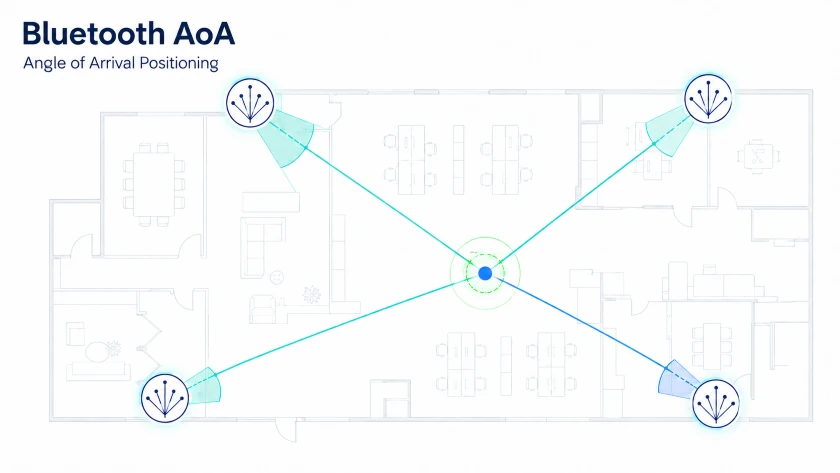
BluetoothAoA
BluetoothAoA utilizza schiere di antenne in localizzatori fissi per misurare la direzione da cui arriva un segnale Bluetooth. Il sistema di localizzazione combina le misurazioni dell'angolo da uno o più localizzatori per stimare la posizione del tag trasmittente.
AoA può essere una scelta pratica per le aziende che desiderano un tracciamento indoor più preciso pur continuando a utilizzare tag Bluetooth a basso consumo. Le applicazioni tipiche includono:
• Strumenti e attrezzature nelle fabbriche
• Dispositivi medici negli ospedali
• Inventario di magazzino
• Lavori in corso
• Ubicazione del personale
• Navigazione interna
Una distribuzione AoA Bluetooth può includere tag compatibili, Localizzatori AoA, gateway, e software di localizzazione. Altezza del localizzatore, orientamento, copertura, e la linea di vista può influire sulla precisione.
Il Bluetooth di Minew 5.1 AoA Indoor Positioning combina i localizzatori AoA, un passaggio, e beacon Bluetooth compatibili. È progettato per supportare il posizionamento interno sub-metro in condizioni di implementazione adeguate.
UWB
UWB misura il tempo di percorrenza del segnale tra i tag e gli ancoraggi fissi. Ciò consente a un sistema ben progettato di individuare le risorse con una precisione molto elevata.
Il Consorzio FiRa afferma che UWB può fornire posizionamento in tempo reale con una precisione fino a livello centimetrico. Questi sistemi utilizzano comunemente ancoraggi sincronizzati e tag UWB.
Le applicazioni tipiche includono:
• Attrezzature ospedaliere critiche
• Strumenti di produzione
• Lavori in corso
• Guida automatizzata del veicolo
• Monitoraggio di aree riservate
• Prossimità del lavoratore e del veicolo
• Asset interni di alto valore
Scegliere tra AoA e UWB
Bluetooth AoA può adattarsi a progetti che richiedono un posizionamento inferiore al metro, tag a basso consumo, e compatibilità con un sistema Bluetooth più ampio. L'UWB viene spesso preso in considerazione quando l'applicazione richiede una precisione a livello centimetrico o una misurazione precisa della distanza.
La scelta finale dovrebbe riflettere:
• Precisione richiesta
• Etichettare i fabbisogni energetici
• Numero di risorse monitorate
• Frequenza di aggiornamento
• Infrastruttura wireless esistente
• Condizioni di installazione
• Requisiti di integrazione
• Budget del progetto
Un progetto pilota dovrebbe includere:
• Angoli e porte
• Scaffalature alte
• Oggetti metallici di grandi dimensioni
• Ascensori e zone scale
• Risorse in rapido movimento
• Zone di produzione affollate
• Aree con accesso limitato all'installazione
I team che necessitano solo di visibilità a livello di stanza potrebbero scoprire che il BLE standard fornisce informazioni sufficienti. Bluetooth AoA può supportare un posizionamento interno più preciso, mentre l'UWB diventa prezioso quando la posizione esatta supporta una chiara sicurezza, flusso di lavoro, o obiettivo di produttività.
5. Logistica e stoccaggio della catena del freddo
Approccio consigliato: Posizione e rilevamento delle condizioni
Il monitoraggio delle risorse della catena del freddo deve fornire più di un punto di localizzazione. Il sistema deve anche mostrare se i beni sono rimasti entro i limiti ambientali approvati.
Una tipica soluzione mobile può includere:
• GNSS per localizzazione esterna
• Connettività cellulare per la trasmissione dei dati
• Sensori di temperatura e umidità
• Rilevamento luce o porta
• Rilevamento di urti e vibrazioni
• Archiviazione locale dei dati
• Avvisi automatici
• Una piattaforma cloud per record e report
Questo design supporta i prodotti farmaceutici, cibo, prodotti freschi, materiali biologici, e altri beni sensibili alla temperatura.
Trasformare i dati dei sensori in una risposta operativa
Gli avvisi sulla catena del freddo dovrebbero basarsi sul prodotto e sul processo di spedizione. La squadra dovrebbe definire:
• Limiti di temperatura e umidità approvati
• Quanto tempo può continuare un'escursione
• Chi riceve l'avviso
• Quanto velocemente il personale dovrebbe rispondere
• Quali azioni dovrebbe intraprendere il personale
• Come viene documentato l'evento
• Come i record vengono esportati per la revisione
I dati sulla posizione e sulle condizioni sono più utili quando condividono lo stesso record di spedizione. Ciò aiuta l'azienda a capire dove è avvenuta un'escursione e per quanto tempo è continuata.
Minew offre diversi dispositivi per questa architettura. IL MST01 Sensore industriale di temperatura e umidità è destinato alla conservazione a freddo, magazzino, e monitoraggio ambientale.
L'etichetta di spedizione MTB04 può combinare la posizione esterna con i dati sulle condizioni. Il gateway MG5 può raccogliere letture dai sensori BLE vicini e caricarle tramite una connessione cellulare.
Matrice di selezione rapida del monitoraggio delle risorse
La seguente matrice può aiutare i team a creare un elenco iniziale di tecnologie.
| Necessità aziendale | La tecnologia da valutare prima | Vantaggio principale | Punto chiave della pianificazione |
| Traccia i veicoli su vaste aree | GNSS con cellulare | Posizione esterna e comunicazione su vasta area | Copertura, il roaming, e potere |
| Monitorare le apparecchiature in un sito industriale | LoRaWAN con una fonte di localizzazione adeguata | Lungo raggio e bassa potenza | Copertura del gateway e intervallo di reporting |
| Trova le risorse per stanza o zona di lavoro | BLE | Basso costo del tag e lunga durata della batteria | Posizionamento del gateway e condizioni del segnale interno |
| Individua una risorsa in una posizione interna esatta | UWB | Precisione di posizionamento molto elevata | Progettazione e installazione di ancoraggi |
| Monitorare le merci sensibili in transito | GNSS, cellulare, e sensori di condizione | Posizione e visibilità ambientale | Limiti di avviso, calibrazione, e record offline |
| Segui le risorse dalla strada al magazzino | GNSS ibrido e BLE | Visibilità interna ed esterna | Posizionamento, consegna e identità degli asset |
Dal progetto pilota all'implementazione completa
Un progetto pilota strutturato aiuta a confermare le prestazioni tecniche e il valore aziendale prima che il sistema si espanda.
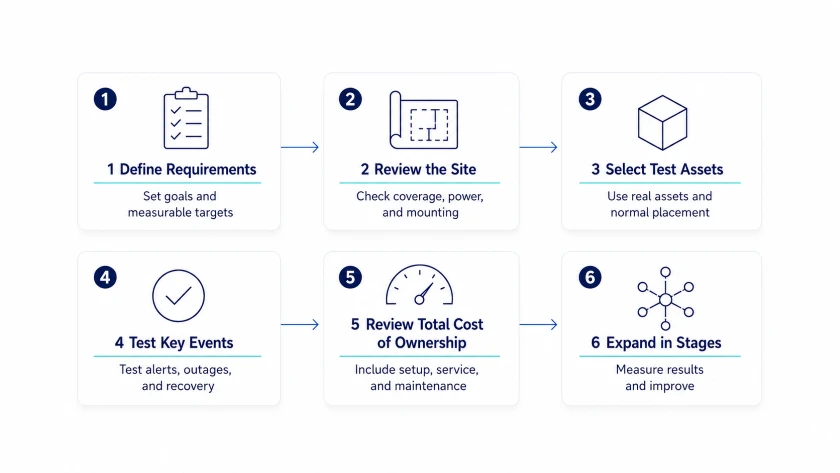
Fare un passo 1: Definire requisiti misurabili
Prima di selezionare una soluzione, definire:
• Tipi e quantità di asset
• Aree interne ed esterne
• Precisione della posizione richiesta
• Frequenza delle segnalazioni
• Obiettivo di durata della batteria
• Condizioni ambientali
• Requisiti del sensore
• Esigenze di sicurezza
• Requisiti di piattaforma e integrazione
• Budget disponibile
Sostituisci i termini generici con obiettivi misurabili. Invece di richiedere aggiornamenti in tempo reale, indicare il ritardo accettabile tra il movimento delle risorse e la visibilità della piattaforma.
Fare un passo 2: Esaminare l'ambiente operativo
Ispezionare i materiali da costruzione, scaffalature, confini esterni, potenza disponibile, connessioni di rete, e opzioni di montaggio.
Questa revisione aiuta a determinare il numero e la posizione dei gateway o degli ancoraggi.
Fare un passo 3: Seleziona Beni rappresentativi
Testare gli asset reali nelle loro normali posizioni di montaggio. Attrezzature metalliche, contenitori di plastica, pallet di legno, e i veicoli in movimento possono produrre risultati radio diversi.
Il progetto pilota dovrebbe includere aree operative comuni nonché luoghi che potrebbero essere più difficili da coprire.
Fare un passo 4: Testare eventi normali ed eccezioni
Creare un piano di test pratico che includa:
• Movimento delle attività
• Entrata e uscita dalla zona
• Perdita temporanea della rete
• Batteria scarica
• Interruzione del gateway
• Rimozione dei tag
• Escursioni termiche
• Rapporti mancati
• Ripristino dopo il ripristino della connettività
Ciò conferma che il sistema può rilevare l'evento, avvisare la persona giusta, e conservare i dati necessari.
Fare un passo 5: Esaminare il costo totale di proprietà
Il costo totale può includere:
• Tag, tracker, sensori, gateway, e ancore
• Abbonamenti a cellulari e piattaforme
• Installazione
• Pianificazione della rete
• Provisioning del dispositivo
• Sostituzione della batteria
• Gestione del firmware
• Calibrazione
• Integrazione del software
• Sostituzione del dispositivo
• Supporto tecnico
L'opzione più adatta bilancia il costo dell'hardware con l'installazione, manutenzione, e valore operativo.
Fare un passo 6: Espandi in più fasi
Un’azienda può crescere costruendo, itinerario, classe di attività, o squadra operativa. Ogni fase dovrebbe essere misurata:
• Aggiornamenti della posizione riusciti
• Tempo di consegna dell'avviso
• Prestazioni della batteria
• Disponibilità del gateway
• Tasso di guasto del dispositivo
• Risposta del personale
• Tempo risparmiato
• Risultati della perdita o del recupero di beni
Queste misurazioni aiutano i team a migliorare le impostazioni e le procedure operative man mano che la distribuzione cresce.
Hardware per il monitoraggio delle risorse Minew in breve
Minew fornisce quattro categorie principali di dispositivi per diverse esigenze di tracciamento delle risorse:
Segnali: Compatto, leggero, e il design a basso consumo li rende facili da installare o integrare. Beacon Bluetooth sono adatti per il posizionamento in interni, rilevamento della presenza di asset, e gestione delle zone.
Tracker: Tracker delle risorse supporto al coperto, all'aperto, o posizionamento ibrido. I modelli selezionati combinano il rilevamento della posizione con la temperatura, movimento, inclinare, luce ambientale, o monitoraggio delle manomissioni. Le funzioni pick-to-light e sonore possono anche aiutare il personale del magazzino a trovare gli articoli più velocemente.
Sensori: Supporta il monitoraggio delle condizioni per applicazioni industriali e logistiche. Sensori IoT le opzioni includono il monitoraggio delle vibrazioni per la manutenzione predittiva, monitoraggio della temperatura e dell'umidità per la catena del freddo, rilevamento della luce ambientale e delle manomissioni per la sicurezza della spedizione, e rilevamento ToF per il monitoraggio del livello delle scorte o dei materiali.
Gateways: Raccogli dati BLE o LoRaWAN e inviali a piattaforme aziendali. I modelli per interni ed esterni sono disponibili con opzioni di backhaul come 4G, Wifi, Ethernet, e PoE.
Conclusione: Crea il monitoraggio delle risorse in base al caso d'uso
La migliore soluzione di tracciamento delle risorse IoT in 2026 è quello che si adatta alla risorsa, ambiente, e obiettivo aziendale.
Il GNSS con connettività cellulare è una scelta efficace per gli spostamenti esterni remoti. LoRaWAN supporta il reporting a basso consumo su siti gestiti di grandi dimensioni. BLE offre un percorso economico per la visibilità delle risorse indoor. UWB supporta applicazioni che necessitano di una posizione interna molto precisa. I progetti relativi alla catena del freddo possono combinare il monitoraggio con sensori ambientali per proteggere le merci sensibili.
Il progetto finale dovrebbe bilanciare la precisione, copertura, durata della batteria, velocità di segnalazione, infrastruttura, sicurezza, e costo totale. Un pilota concentrato può confermare questi fattori in condizioni operative reali.
Con la sua gamma di tag, tracker, gateway, e sensori, Miniere può supportare il monitoraggio delle risorse in interni, all'aperto, industriale, la logistica, e ambienti della catena del freddo. Abbinando l'hardware giusto a ciascun caso d'uso, le aziende possono creare un sistema affidabile che migliora la visibilità e supporta decisioni operative più rapide.
 Chatta adesso