


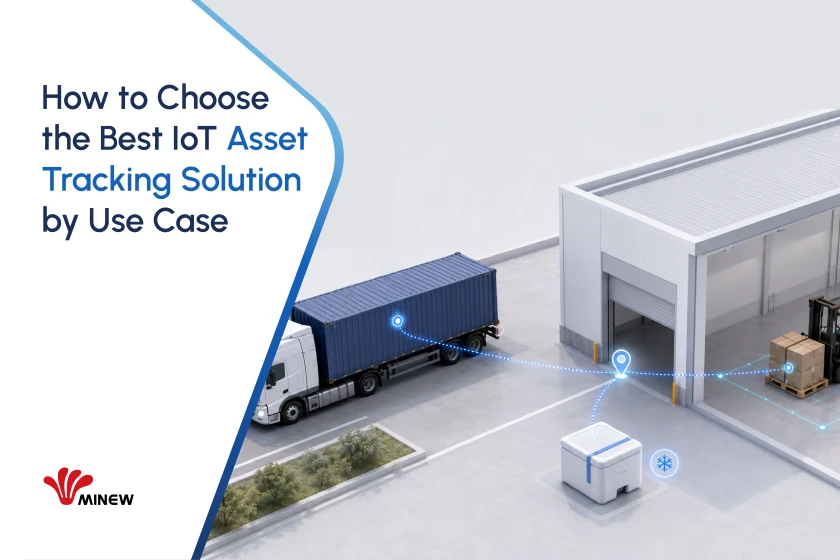
Отсутствие инструмента может задержать производство. Неуместное медицинское устройство может замедлить уход за пациентами. Изменение температуры может поставить под угрозу всю посылку.. В каждом случае, бизнесу нужны одни и те же базовые ответы: Где находится актив? В каком состоянии? Используется ли он по плану??
Отслеживание активов Интернета вещей помогает командам ответить на эти вопросы с помощью связанных тегов, датчики, шлюзы, и программное обеспечение. Это может сократить время поиска, повысить точность инвентаризации, предотвратить потерю, и помочь персоналу быстрее реагировать на проблемы.
Однако, ни одна технология отслеживания не подходит для каждой среды. Контейнер, перемещающийся между странами, имеет иные потребности, чем инструмент внутри завода.. Больнице может потребоваться видимость на уровне палаты для некоторых устройств и расположение на уровне сантиметра для критически важного оборудования..
Поэтому лучшее решение для отслеживания активов IoT зависит от варианта использования.. GPS и сотовая связь часто подходят для удаленных объектов на открытом воздухе.. LoRaWAN поддерживает мониторинг с низким энергопотреблением в кампусах и на промышленных площадках.. BLE предлагает практичный вариант для отслеживания внутри помещений., в то время как UWB поддерживает приложения, которым необходимы очень точные данные о местоположении..
В этом руководстве объясняется, как работают эти технологии., где каждый подходит, и что следует учитывать, прежде чем переходить от пилотного проекта к более масштабному развертыванию.
Что следует определить перед выбором решения?
Наиболее эффективные проекты по отслеживанию активов начинаются с оперативной цели.. Выбор технологии становится намного проще, когда компания знает, какое событие она хочет обнаружить..
Общие цели включают в себя:
• Поиск оборудования внутри объекта.
• Подтверждение того, что актив остается в утвержденной зоне.
• Отслеживание транспортного средства или груза во время транспортировки
• Выявление несанкционированного перемещения активов
• Мониторинг температуры, влажность, шок, или вибрация
• Улучшение использования активов
• Сокращение ручной инвентаризации.
• Поддержка правил безопасности в отношении транспортных средств и техники.
Проект, предназначенный для подтверждения наличия поддона на складе, не требует такой же точности, как система, управляющая автоматизированным транспортным средством.. Четкие требования помогают команде контролировать затраты, энергопотребление, и инфраструктурные потребности.
Среда развертывания
Первый вопрос – где будет работать актив.
Внутренние помещения часто содержат стены., металлические стеллажи, машины, люди, и хранящиеся товары. Эти объекты могут влиять на радиосигналы. БЛЕ, СШП, и Wi-Fi являются распространенными вариантами для использования внутри помещений, поскольку они работают с местной инфраструктурой.
Наружные активы могут путешествовать по городам, регионы, или страны. ГНСС могу предоставить внешние координаты, в то время как сотовые сети могут отправлять данные на облачную платформу.
Некоторые активы перемещаются между обеими средами. Груз может путешествовать по шоссе, войти в распределительный центр, и оставаться на складе в течение нескольких дней. Этим путешествиям может помочь гибридный трекер, который может использовать разные методы позиционирования..
Движение и стоимость активов
Движущемуся транспортному средству может потребоваться частое обновление местоположения.. Стационарной машине может потребоваться только присутствие, состояние, и мониторинг взлома.
Стоимость активов также влияет на дизайн системы.. Дорогостоящее оборудование может оправдать более точное отслеживание, более короткие интервалы отчетности, и более сильная физическая защита. Например, больница может использовать точное отслеживание местоположения для мобильного оборудования для визуализации, в то время как строительная компания может добавить оповещения о несанкционированном доступе и частые отчеты о перемещении ценного оборудования..
Для предметов меньшей стоимости часто требуется экономичная бирка, которую можно использовать в больших количествах.. Склад может пристроить простой BLE-теги до тысяч поддонов, мусорные баки, или многоразовые контейнеры. В этом случае, низкая стоимость устройства, длительное время автономной работы, и простая установка может иметь большее значение, чем точное местоположение.
Доступная мощность
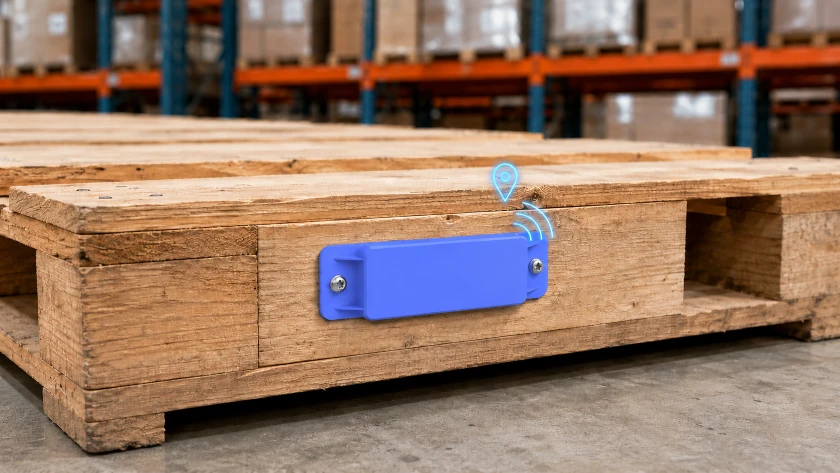
Транспортные средства и машины с приводом часто могут поддерживать частую передачу данных.. Поддоны, контейнеры, инструменты, и возвратная упаковка обычно зависят от батареек.
Срок службы батареи может варьироваться в зависимости от:
• Частота отчетности
• Частота дискретизации датчика
• Качество сетевого сигнала
• Метод позиционирования
• Повторные попытки передачи
• Рабочая температура
• Настройки обнаружения движения
• Тип и емкость аккумулятора.
Совместный анализ этих факторов помогает командам более точно оценить потребности в техническом обслуживании.. Это также делает сравнение продуктов более значимым..
Требуемая точность местоположения
Точность должна соответствовать реальному бизнес-решению..
Логистической команде может быть достаточно знать только, что контейнер прибыл в порт.. Складу может потребоваться расположение на уровне прохода.. Больнице может потребоваться идентифицировать комнату, в которой находится устройство.. Для обеспечения безопасности на производстве может потребоваться точное расстояние между рабочим и движущимся транспортным средством..
Выбор правильного уровня точности помогает избежать ненужной инфраструктуры, одновременно предоставляя необходимую персоналу информацию..
Сравнение технологий отслеживания активов Интернета вещей
В следующей таблице представлен практический обзор. Фактическая производительность зависит от конструкции устройства., установка, строительные материалы, размещение шлюза, условия сети, и настройка программного обеспечения.
| Технологии | Типичный результат определения местоположения | Покрытие | Профиль мощности | Относительная стоимость | Подходящие приложения |
| БЛЕ | Зона, комната, или местоположение на уровне метра, в зависимости от конструкции системы | Локальное покрытие внутри помещений | Низкий | Низкий | Инструменты, инвентарь, больничное оборудование, и персональные значки |
| СШП | Расположение на дециметровом или сантиметровом уровне | Определенная внутренняя зона | Середина | От среднего до высокого | Точное местоположение актива, управление процессом, и приложения безопасности |
| Wi-Fi | Расположение на уровне зоны или комнаты во многих развертываниях | Здания с покрытием Wi-Fi | Середина | От низкого до среднего | Устройства с поддержкой Wi-Fi и общая видимость в помещении |
| ЛоРаВАН | Сайт, зона, или широкое местоположение, в зависимости от источника позиционирования | Кампус, промышленная площадка, ферма, или город | Низкий | От низкого до среднего | Медленно оборачивающиеся активы, промышленное оборудование, и сенсорные сети |
| ГНСС с сотовой связью | На уровне метра на открытом воздухе в подходящих условиях | Региональный или глобальный, в зависимости от покрытия сотовой связи | От среднего до высокого | От среднего до высокого | Транспортные средства, контейнеры, трейлеры, и уличное оборудование |
| Сотовое позиционирование | Обширная область или местоположение на уровне ячейки | Широкая площадь | Середина | Середина | Удаленный мониторинг и резервное копирование |
Эти технологии часто работают вместе. Одно радио может вычислять или поддерживать местоположение., пока другой переносит данные на платформу.
Например, трекер может использовать GNSS для определения своего местоположения на открытом воздухе и LTE-M для отправки координат. Система холодовой цепи может использовать датчики BLE для сбора показаний температуры и сотовый шлюз для их загрузки..
Лучшие решения для отслеживания активов Интернета вещей по вариантам использования
1. Удаленные и наружные мобильные активы
Рекомендуемый подход: ГНСС с сотовой связью
GNSS в сочетании с LTE-M или NB-IoT — отличный выбор для объектов, которые перемещаются по обширным открытым территориям..
Типичные области применения включают в себя:
• Отслеживание автопарка и прицепов
• Транспортные контейнеры
• Строительные машины
• Мобильные генераторы
• Высокоценный груз
• Полевое оборудование
• Удаленная инфраструктура
GNSS предоставляет координаты местоположения, когда трекер имеет подходящий доступ к спутниковым сигналам.. Сотовая связь отправляет данные о местоположении и датчиках на платформу отслеживания..
Реальные характеристики GNSS зависят от геометрии спутника., конструкция приемника, Атмосферные условия, и близлежащие препятствия для передачи сигнала.
Рекомендации по проектированию
Частота обновления должна отражать движение актива и доступную мощность.. Транспортное средство с электроприводом может поддерживать частые отчеты. Контейнер с батарейным питанием может использовать запланированные отчеты и обновления, инициируемые движением..
Команда проекта также должна рассмотреть:
• Сотовая связь на всем протяжении маршрута.
• Поддерживаемые диапазоны операторов связи
• Региональный роуминг
• Локальное хранение данных во время потери сети.
• Класс корпуса устройства
• Диапазон температур
• Обнаружение несанкционированного доступа
• Удаленная настройка
• Поддержка обновления прошивки
Миньюс MTB04 5G -лейбл доставки сочетает в себе GPS с возможностью подключения NB-IoT и LTE-M. Он предназначен для обеспечения прозрачности поставок, а также может поддерживать мониторинг состояния чувствительных или дорогостоящих товаров..
The Наружный мобильный шлюз LTE MG5 объединяет GPS, сотовая связь, и сбор данных Bluetooth. Он может собирать данные с близлежащих датчиков BLE и отправлять эту информацию на облачную платформу..
Когда гибридный дизайн может помочь
Спутниковые сигналы могут стать слабее внутри зданий, под плотными структурами, или внутри металлических контейнеров. Объекты, которые перемещаются между открытыми и внутренними помещениями, могут получить выгоду от второго метода позиционирования., такие как бле.
Это позволяет одному и тому же устройству или системе предоставлять внешние координаты во время транспортировки и информацию о присутствии в помещении после прибытия..
2. Кампусы, Промышленные объекты, Фасреднеквадратичное значение, анонцад ярдов
Рекомендуемый подход: ЛоРаВАН
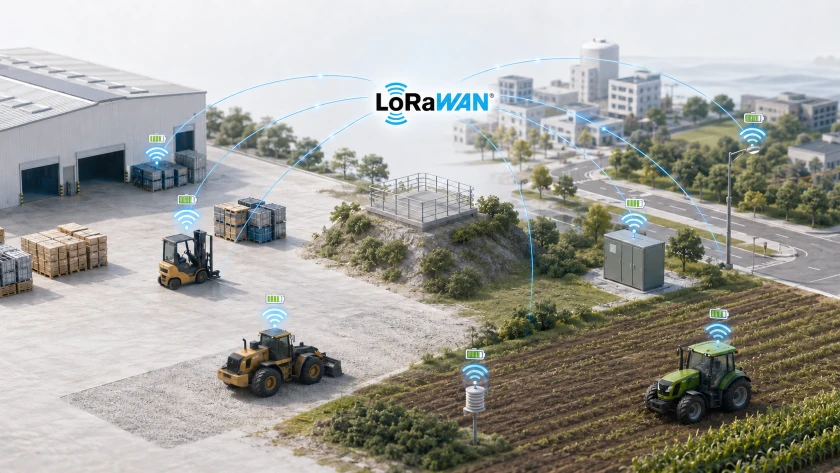
ЛоРаВАН предназначен для отправки небольших объемов данных на большие расстояния при низком энергопотреблении устройства.. Он хорошо подходит для крупных объектов, где организации могут устанавливать частные шлюзы или подключаться к доступной общедоступной сети..
Общие приложения включают в себя:
• Мониторинг промышленного оборудования
• Отслеживание активов двора
• Сельскохозяйственная техника
• Коммунальная инфраструктура
• Активы умного города
• Возвратные транспортные средства
• Медленно движущееся уличное оборудование.
• Датчики окружающей среды
LoRaWAN может поддерживать длительные периоды работы, поскольку устройства могут оставаться неактивными между отчетами..
Понимание позиционирования LoRaWAN
LoRaWAN в основном обеспечивает связь. Местоположение актива может быть получено из нескольких источников.:
• GNSS внутри трекера
• Зоны покрытия шлюза
• Сетевая геолокация.
• Ближайшие сигналы BLE или Wi-Fi.
• Известная запись об установке
Это дает разработчикам систем несколько способов сбалансировать точность., срок службы батареи, и стоимость.
Альянс LoRa заявляет, что сетевая геолокация может поддерживать медленно перемещающиеся активы, которые отправляют обновления местоположения через более длительные промежутки времени.. Приложениям, требующим очень частых обновлений, может потребоваться другая конструкция, поскольку более быстрые отчеты увеличивают потребление энергии и сети..
Миньюс LTB01-S LoRaWAN® GPS-трекер активов на солнечной энергии сочетает в себе GPS-позиционирование, Связь LoRaWAN, и обнаружение взлома. Он может поддерживать видимость наружных активов в зонах, покрытых подходящими шлюзами LoRaWAN..
Где LoRaWAN подходит лучше всего
LoRaWAN является сильным кандидатом, когда бизнесу требуется периодическая информация о местоположении или статусе, а не непрерывный след движения..
Если приложению требуется точное позиционирование внутри помещения или очень быстрые оповещения о приближении, BLE или UWB могут обеспечить более близкое соответствие.
3. Внутренние инструменты, Оборудование, и инвентарь
Рекомендуемый подход: БЛЕ
BLE предлагает экономичный и маломощный способ отслеживания большого количества внутренних объектов..
Тег BLE регулярно передает свой идентификатор, чтобы фиксированные шлюзы, мобильные устройства, или Bluetooth-локаторы могут его обнаружить. Некоторые трекеры BLE также содержат датчики движения., температура, влажность, свет, или обнаружение взлома. Эти устройства могут предоставлять информацию о местоположении и мониторинг состояния через одно и то же беспроводное соединение..
Программное обеспечение использует полученные данные для сообщения о присутствии, зона, комната, предполагаемое положение, или состояние актива.
BLE подходит для таких вопросов, как:
• Находится ли актив внутри здания??
• В какой комнате или зоне он находится?
• Когда он был обнаружен в последний раз?
• Покинул ли он разрешенную зону??
• Кто-то удалил тег??
• Требует ли батарея внимания??
Типичные области применения включают в себя:
• Складские инструменты
• Медицинское оборудование
• Производственные активы
• Офисное оборудование
• Контейнеры для инвентаря
• Многоразовая упаковка
• Персональные значки
Планирование покрытия BLE
Bluetooth -диапазон это не одно фиксированное расстояние. Это зависит от мощности радио, чувствительность приемника, конструкция антенны, физические барьеры, и местные условия радиосвязи.
Bluetooth SIG поясняет, что эффективный диапазон Bluetooth может варьироваться от менее одного метра до более одного километра., в зависимости от продукта и окружающей среды.
Для внутреннего проекта, команды должны протестировать:
• Позиции шлюзов
• Высота установки
• Стены и границы комнаты
• Металлические стеллажи.
• Размещение тегов на объекте.
• Нормальное движение персонала и транспортных средств
• Периоды занятости и тишины
Тестирование в нормальных рабочих условиях помогает команде подтвердить покрытие и скорректировать размещение шлюза перед более широким развертыванием..
Улучшение результатов определения местоположения BLE
Системы BLE могут поддерживать разные уровни точности.
Базовое обнаружение шлюза может показать, присутствует ли тег в зоне.. Анализ сигналов позволяет оценить, какой шлюз находится ближе всего.. Более продвинутые методы определения местоположения Bluetooth могут обеспечить более точные результаты определения местоположения, если инфраструктура и программное обеспечение предназначены для этой цели..
Правильный вариант зависит от требуемой точности и бюджета проекта..
4. Точное расположение внутренних активов
Рекомендуемые подходы: Bluetooth AoA и СШП
Bluetooth «Угол прихода» и UWB подходят, когда обнаружение помещения или зоны не обеспечивает достаточной детализации.. Обе технологии позволяют более точно определять местонахождение активов в пределах определенной внутренней зоны., но они используют разные методы и инфраструктуру.
Bluetooth АоА
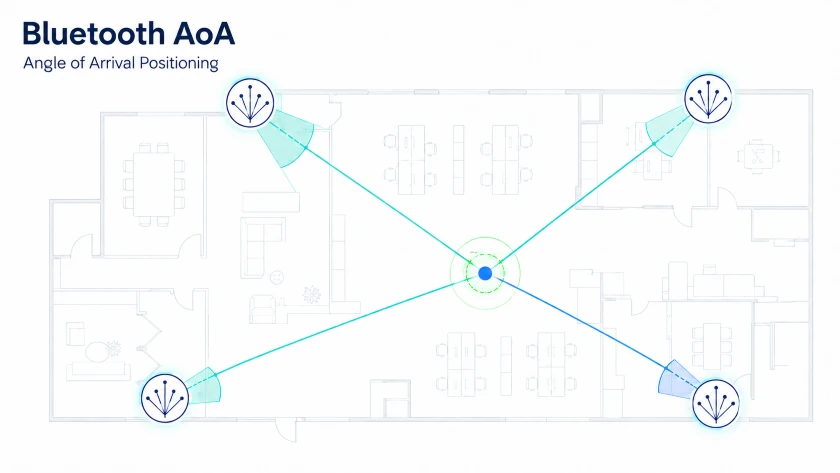
Bluetooth АоА использует антенные решетки в фиксированных локаторах для измерения направления поступления сигнала Bluetooth. Система определения местоположения объединяет измерения углов от одного или нескольких локаторов для оценки положения передающей метки..
AoA может быть практичным выбором для предприятий, которым требуется более точное отслеживание внутри помещений, продолжая при этом использовать маломощные метки Bluetooth.. Типичные области применения включают в себя:
• Инструменты и оборудование на заводах
• Медицинское оборудование в больницах
• Складской инвентарь
• В разработке
• Расположение персонала
• Внутренняя навигация
Развертывание Bluetooth AoA может включать совместимые теги., AoA локаторы, шлюзы, и программное обеспечение для определения местоположения. Высота локатора, ориентация, покрытие, и прямая видимость может повлиять на точность.
Bluetooth от Майнью 5.1 Позиционирование в помещении AoA объединяет локаторы AoA, шлюз, и совместимые маяки Bluetooth. Он предназначен для поддержки позиционирования в помещении с точностью до метра при подходящих условиях развертывания..
СШП
UWB измеряет время прохождения сигнала между метками и фиксированными якорями.. Это позволяет хорошо спроектированной системе определять местонахождение активов с очень высокой точностью..
Консорциум FiRa заявляет, что СШП может обеспечить позиционирование в реальном времени с точностью до сантиметра.. В этих системах обычно используются синхронизированные якоря и теги UWB..
Типичные области применения включают в себя:
• Критическое больничное оборудование
• Производственные инструменты
• В разработке
• Автоматизированное наведение автомобиля
• Мониторинг ограниченной зоны
• Близость рабочего и транспортного средства
• Высокоценные внутренние активы.
Выбор между AoA и UWB
Bluetooth AoA подходит для проектов, требующих позиционирования менее метра, теги с низким энергопотреблением, и совместимость с более широкой системой Bluetooth. СШП часто рассматривается, когда приложение требует точности на уровне сантиметра или точного измерения расстояния..
Окончательный выбор должен отражать:
• Требуемая точность
• Отмечайте потребности в электроэнергии.
• Количество отслеживаемых активов
• Частота обновления
• Существующая беспроводная инфраструктура
• Условия установки
• Требования к интеграции
• Бюджет проекта
Пилот должен включать:
• Углы и дверные проемы
• Высокие стеллажи
• Крупные металлические предметы.
• Лифты и лестничные клетки
• Быстрооборотные активы
• Переполненные производственные зоны
• Зоны с ограниченным доступом к установке
Команды, которым нужна видимость только на уровне комнаты, могут обнаружить, что стандарт BLE предоставляет достаточно информации.. Bluetooth AoA может поддерживать более точное позиционирование в помещении, в то время как СШП становится ценным, когда точное положение обеспечивает четкую безопасность, рабочий процесс, или цель продуктивности.
5. Логистика и хранение холодовой цепи
Рекомендуемый подход: Местоположение плюс определение состояния
Отслеживание активов холодовой цепи должно предоставлять больше, чем просто точку местоположения.. Система также должна показать, остались ли товары в пределах утвержденных экологических пределов..
Типичное мобильное решение может включать в себя:
• ГНСС для наружного размещения
• Сотовая связь для передачи данных.
• Датчики температуры и влажности
• Обнаружение света или двери
• Чувствительность к ударам и вибрации
• Локальное хранилище данных
• Автоматические оповещения
• Облачная платформа для записей и отчетов.
Этот дизайн поддерживает фармацевтику, еда, свежие продукты, биологические материалы, и другие термочувствительные товары.
Превращение данных датчиков в оперативный ответ
Оповещения о холодовой цепи должны основываться на продукте и процессе доставки.. Команда должна определить:
• Утвержденные пределы температуры и влажности.
• Как долго может продолжаться экскурсия
• Кто получает оповещение
• Как быстро персонал должен реагировать
• Какие действия должен предпринять персонал
• Как событие документируется
• Как записи экспортируются для просмотра.
Данные о местоположении и состоянии наиболее полезны, когда они используют одну и ту же запись об отправке.. Это помогает бизнесу понять, где произошла экскурсия и как долго она продолжалась..
Minew предлагает несколько устройств для этой архитектуры.. The MST01 промышленная температура и датчик влажности предназначен для холодного хранения, склад, и экологический мониторинг.
На транспортной этикетке MTB04 можно указать положение на открытом воздухе и данные о состоянии.. Шлюз MG5 может собирать показания близлежащих датчиков BLE и загружать их через сотовую связь..
Матрица выбора быстрого отслеживания активов
Следующая матрица может помочь командам составить первоначальный список технологий..
| Деловая необходимость | Технология, которую следует оценить в первую очередь | Основное преимущество | Ключевой момент планирования |
| Отслеживайте транспортные средства на обширных территориях | ГНСС с сотовой связью | Наружное расположение и глобальная связь | Покрытие, роуминг, и власть |
| Мониторинг оборудования на промышленной площадке | LoRaWAN с подходящим источником местоположения | Большой радиус действия и низкая мощность | Покрытие шлюза и интервал отчетности |
| Найдите активы по комнате или рабочей зоне | БЛЕ | Низкая стоимость метки и длительное время автономной работы | Размещение шлюза и условия сигнала в помещении |
| Найдите актив в точном месте внутри помещения | СШП | Очень высокая точность позиционирования | Проектирование и установка анкера |
| Контролируйте конфиденциальные товары в пути | ГНСС, Сотовая связь, и датчики состояния | Расположение и экологическая видимость | Пределы оповещений, калибровка, и оффлайн записи |
| Следуйте за активами от дороги до склада | Гибридная ГНСС и BLE | Видимость внутри и снаружи | Передача позиционирования и идентификация активов |
От пилотного проекта к полному развертыванию
Структурированный пилотный проект помогает подтвердить технические характеристики и ценность бизнеса до расширения системы..
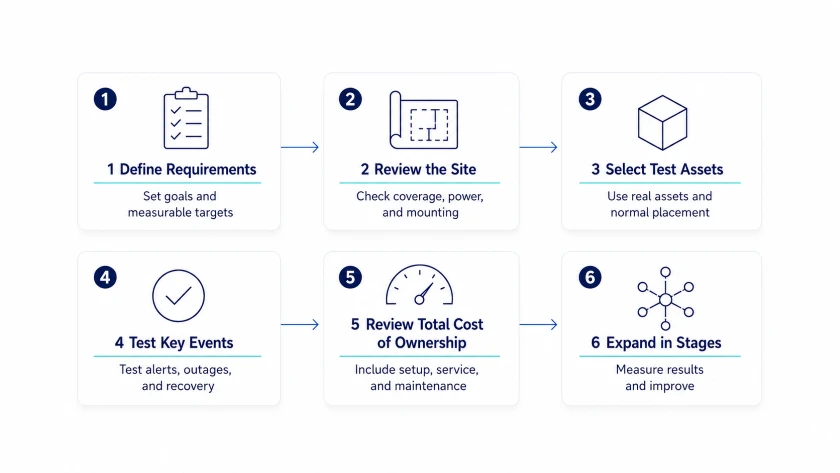
Шаг 1: Определите измеримые требования
Прежде чем выбрать решение, определять:
• Типы и количества активов
• Крытые и открытые площадки
• Требуемая точность определения местоположения
• Частота отчетности
• Целевой срок службы батареи
• Условия окружающей среды
• Требования к датчику
• Потребности в безопасности
• Требования к платформе и интеграции.
• Доступный бюджет
Замените общие термины измеримыми целями.. Вместо запроса обновлений в реальном времени, укажите приемлемую задержку между перемещением активов и видимостью платформы..
Шаг 2: Обзор операционной среды
Осмотр строительных материалов, стеллажи, внешние границы, доступная мощность, сетевые подключения, и варианты крепления.
Этот обзор помогает определить количество и положение шлюзов или якорей..
Шаг 3: Выберите репрезентативные активы
Протестируйте реальные активы в их обычных монтажных положениях. Металлическое оборудование, пластиковые контейнеры, деревянные поддоны, и движущиеся транспортные средства могут давать разные результаты радиопередачи..
Пилотный проект должен включать в себя общие операционные зоны, а также места, которые может быть сложнее охватить..
Шаг 4: Тестирование обычных событий и исключений
Создайте практический план тестирования, включающий:
• Движение активов
• Вход и выход из зоны
• Временная потеря сети.
• Низкий заряд батареи
• Прерывание шлюза
• Удаление тегов
• Температурные отклонения
• Пропущенные отчеты
• Восстановление после восстановления подключения.
Это подтверждает, что система может обнаружить событие., уведомить нужного человека, и сохранить необходимые данные.
Шаг 5: Обзор общей стоимости владения
Общая стоимость может включать в себя:
• Теги, трекеры, датчики, шлюзы, и якоря
• Подписки на сотовые сети и платформы.
• Установка
• Сетевое планирование
• Подготовка устройств
• Замена батареи
• Управление прошивкой
• Калибровка
• Интеграция программного обеспечения
• Замена устройства
• Техническая поддержка
Наиболее подходящий вариант сочетает стоимость оборудования с установкой., обслуживание, и эксплуатационная ценность.
Шаг 6: Поэтапное расширение
Бизнес может масштабироваться путем создания, маршрут, класс активов, или операционная группа. Каждый этап должен измерять:
• Успешные обновления местоположений.
• Уведомление о времени доставки
• Производительность аккумулятора
• Доступность шлюза
• Частота отказов устройств
• Ответ персонала
• Экономия времени
• Результаты потери или восстановления активов
Эти измерения помогают командам улучшать настройки и рабочие процедуры по мере расширения развертывания..
Обзор оборудования для отслеживания активов Minew
Minew предоставляет четыре основные категории устройств для различных потребностей в отслеживании активов.:
Маяки: Компактный, легкий, и конструкция с низким энергопотреблением упрощают их установку или интеграцию. Bluetooth-маяки подходят для внутреннего позиционирования, обнаружение присутствия активов, и управление зонами.
Трекеры: Трекеры активов поддержка в помещении, открытый, или гибридное позиционирование. Некоторые модели сочетают отслеживание местоположения с измерением температуры., движение, наклон, окружающий свет, или мониторинг взлома. Функции освещения и звука также могут помочь сотрудникам склада быстрее находить товары..
Датчики: Поддержка мониторинга состояния для промышленных и логистических приложений.. Датчики Интернета вещей опции включают мониторинг вибрации для профилактического обслуживания, мониторинг температуры и влажности для холодовых цепей, окружающее освещение и обнаружение несанкционированного доступа для обеспечения безопасности груза, и измерение ToF для контроля уровня запасов или материала.
Шлюзы: Собирайте данные BLE или LoRaWAN и отправляйте их на бизнес-платформы.. Доступны модели для внутреннего и наружного использования с опциями транзитной связи, такими как 4G., Wi-Fi, Ethernet, и PoE.
Заключение: Создайте отслеживание активов в зависимости от варианта использования
Лучшее решение для отслеживания активов Интернета вещей в 2026 тот, который соответствует активу, среда, и бизнес-цель.
GNSS с сотовой связью — отличный выбор для удаленного перемещения на открытом воздухе.. LoRaWAN поддерживает отчеты с низким энергопотреблением на крупных управляемых объектах.. BLE обеспечивает экономичный путь к видимости активов внутри помещений. UWB поддерживает приложения, которым требуется очень точное определение местоположения внутри помещения.. Проекты холодовой цепи могут сочетать отслеживание с датчиками окружающей среды для защиты чувствительных товаров..
Окончательный дизайн должен сбалансировать точность., покрытие, срок службы батареи, скорость отчетности, инфраструктура, безопасность, и общая стоимость. Внимательный пилот может подтвердить эти факторы в реальных условиях эксплуатации..
С его набором тегов, трекеры, шлюзы, и датчики, Мины может поддерживать отслеживание активов внутри помещений, открытый, промышленный, логистика, и холодовая цепь. Подбирая подходящее оборудование для каждого варианта использования, предприятия могут создать надежную систему, которая улучшает прозрачность и поддерживает более быстрые оперативные решения..
 Теперь говорите