


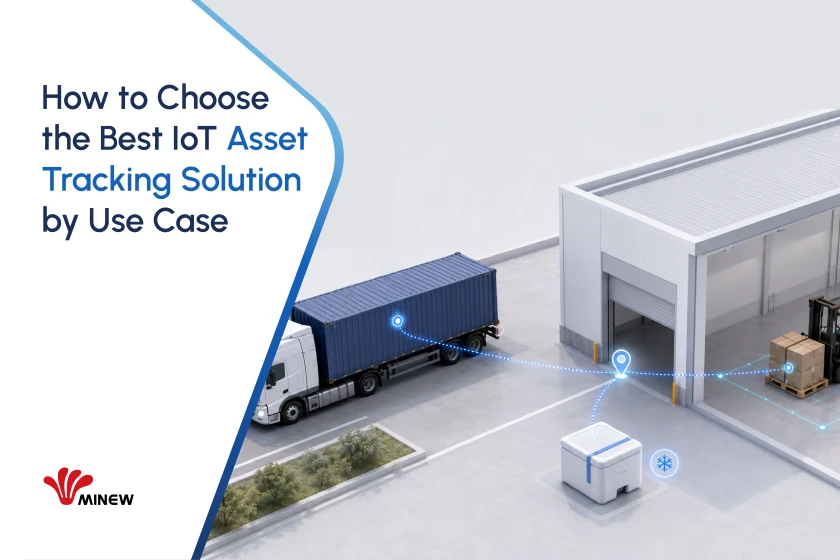
يمكن للأداة المفقودة تأخير الإنتاج. يمكن أن يؤدي وجود جهاز طبي في غير مكانه إلى إبطاء رعاية المرضى. قد يؤدي تغير درجة الحرارة إلى تعريض الشحنة بأكملها للخطر. في كل حالة, يحتاج العمل إلى نفس الإجابات الأساسية: أين الأصول? ما هي الحالة التي هو فيها? هل يتم استخدامه كما هو مخطط له?
يساعد تتبع أصول إنترنت الأشياء الفرق في الإجابة على هذه الأسئلة باستخدام العلامات المتصلة, أجهزة الاستشعار, بوابات, والبرمجيات. يمكن أن يقلل من وقت البحث, تحسين دقة المخزون, منع الخسارة, ومساعدة الموظفين على الاستجابة للمشاكل في وقت أقرب.
لكن, لا توجد تقنية تتبع واحدة تناسب كل بيئة. تختلف احتياجات الحاوية التي تنتقل بين البلدان عن الأدوات الموجودة داخل المصنع. قد يحتاج المستشفى إلى رؤية على مستوى الغرفة لبعض الأجهزة وموقع على مستوى السنتيمتر للمعدات الحيوية.
وبالتالي فإن أفضل حل لتتبع أصول إنترنت الأشياء يعتمد على حالة الاستخدام. غالبًا ما يكون نظام تحديد المواقع العالمي (GPS) والاتصال الخلوي مناسبًا للأصول الخارجية البعيدة. يدعم LoRaWAN مراقبة الطاقة المنخفضة عبر الحرم الجامعي والمواقع الصناعية. يوفر BLE خيارًا عمليًا للتتبع الداخلي, بينما يدعم UWB التطبيقات التي تحتاج إلى بيانات موقع دقيقة للغاية.
يشرح هذا الدليل كيفية عمل هذه التقنيات, حيث يناسب كل واحد, وما يجب مراعاته قبل الانتقال من الإصدار التجريبي إلى النشر الأكبر.
ما الذي يجب عليك تحديده قبل اختيار الحل؟?
تبدأ مشاريع تتبع الأصول الأكثر فعالية بهدف تشغيلي. يصبح اختيار التكنولوجيا أسهل بكثير بمجرد أن تعرف الشركة الحدث الذي تريد اكتشافه.
تشمل الأهداف المشتركة:
• العثور على المعدات داخل المنشأة
• التأكد من بقاء الأصل في منطقة معتمدة
• تتبع المركبة أو الشحنة أثناء النقل
• تحديد حركة الأصول غير المصرح بها
• مراقبة درجة الحرارة, رطوبة, صدمة, أو الاهتزاز
• تحسين استخدام الأصول
• تقليل أعمال الجرد اليدوي
• دعم قواعد السلامة حول المركبات والآلات
لا يحتاج المشروع المصمم للتأكد من وجود منصة نقالة في المستودع إلى نفس الدقة التي يوفرها النظام الذي يوجه المركبة الآلية. تساعد المتطلبات الواضحة الفريق على التحكم في التكلفة, استخدام الطاقة, واحتياجات البنية التحتية.
بيئة النشر
السؤال الأول هو أين سيعمل الأصل.
غالبًا ما تحتوي البيئات الداخلية على جدران, رفوف معدنية, آلات, الناس, والبضائع المخزنة. يمكن أن تؤثر هذه الكائنات على إشارات الراديو. بليه, UWB, و واي فاي تعتبر خيارات داخلية شائعة لأنها تعمل مع البنية التحتية المحلية.
قد تنتقل الأصول الخارجية عبر المدن, المناطق, أو البلدان. النظم العالمية لسواتل الملاحة يمكن أن توفر الإحداثيات في الهواء الطلق, بينما يمكن للشبكات الخلوية إرسال البيانات إلى منصة سحابية.
تنتقل بعض الأصول بين البيئتين. قد تسافر الشحنة على الطريق السريع, أدخل مركز التوزيع, والبقاء داخل المستودع لعدة أيام. قد تستفيد هذه الرحلات من جهاز التتبع المختلط الذي يمكنه استخدام طرق مختلفة لتحديد المواقع.
حركة الأصول والقيمة
قد تتطلب المركبة المتحركة تحديثات متكررة للموقع. قد تحتاج الآلة الثابتة إلى التواجد فقط, حالة, ومراقبة التلاعب.
تشكل قيمة الأصول أيضًا تصميم النظام. قد تبرر المعدات عالية القيمة تتبعًا أكثر دقة, فترات زمنية أقصر لتقديم التقارير, وحماية جسدية أقوى. على سبيل المثال, قد يستخدم المستشفى تتبعًا دقيقًا للموقع لمعدات التصوير المتنقلة, بينما قد تقوم شركة البناء بإضافة تنبيهات العبث وتقارير الحركة المتكررة للآلات القيمة.
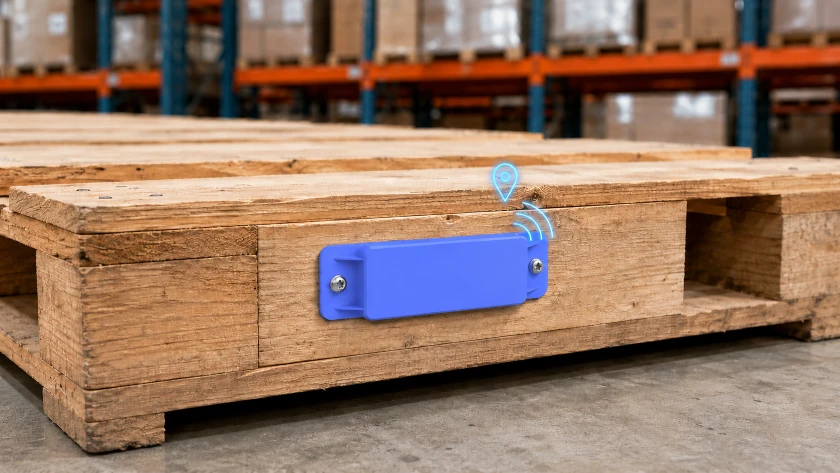
غالبًا ما تحتاج العناصر ذات القيمة المنخفضة إلى علامة اقتصادية يمكن نشرها بأعداد كبيرة. قد يعلق المستودع بشكل بسيط علامات بلي إلى آلاف المنصات, صناديق, أو حاويات قابلة لإعادة الاستخدام. في هذه الحالة, تكلفة الجهاز منخفضة, عمر بطارية طويل, وقد يكون التثبيت البسيط أكثر أهمية من الموقع المحدد.
الطاقة المتاحة
يمكن للمركبات والآلات التي تعمل بالطاقة أن تدعم في كثير من الأحيان نقل البيانات بشكل متكرر. المنصات, حاويات, أدوات, والتعبئة القابلة للإرجاع تعتمد عادة على البطاريات.
عمر البطارية يمكن أن يختلف مع:
• تكرار التقارير
• معدل أخذ العينات الاستشعار
• جودة إشارة الشبكة
• طريقة تحديد المواقع
• إعادة محاولة الإرسال
• درجة حرارة التشغيل
• إعدادات كشف الحركة
• نوع البطارية وسعتها
تساعد مراجعة هذه العوامل معًا الفرق على تقدير احتياجات الصيانة بشكل أكثر دقة. كما أنه يجعل مقارنات المنتجات أكثر فائدة.
دقة الموقع المطلوبة
يجب أن تتطابق الدقة مع قرار العمل الحقيقي.
قد يحتاج الفريق اللوجستي فقط إلى معرفة وصول الحاوية إلى الميناء. قد يحتاج المستودع إلى موقع على مستوى الممر. قد يحتاج المستشفى إلى تحديد الغرفة التي تحتوي على جهاز. قد يحتاج تطبيق سلامة المصنع إلى المسافة الدقيقة بين العامل والمركبة المتحركة.
يساعد تحديد مستوى الدقة المناسب على تجنب البنية التحتية غير الضرورية مع الاستمرار في تقديم المعلومات التي يحتاجها الموظفون.
مقارنة تقنيات تتبع أصول إنترنت الأشياء
ويقدم الجدول التالي نظرة عامة عملية. يعتمد الأداء الفعلي على تصميم الجهاز, تثبيت, مواد البناء, وضع البوابة, ظروف الشبكة, وتكوين البرمجيات.
| تكنولوجيا | نتيجة الموقع النموذجي | تغطية | ملف تعريف الطاقة | التكلفة النسبية | التطبيقات المناسبة |
| بليه | منطقة, غرفة, أو الموقع على مستوى متر, اعتمادا على تصميم النظام | التغطية الداخلية المحلية | قليل | قليل | أدوات, جرد, معدات المستشفى, وشارات الموظفين |
| UWB | موقع على مستوى الديسيمتر أو السنتيمتر | منطقة داخلية محددة | واسطة | متوسطة إلى عالية | الموقع الدقيق للأصول, التحكم في العملية, وتطبيقات السلامة |
| واي فاي | المنطقة أو الموقع على مستوى الغرفة في العديد من عمليات النشر | المباني مع تغطية واي فاي | واسطة | منخفضة إلى متوسطة | الأجهزة التي تدعم تقنية Wi-Fi والرؤية الداخلية العامة |
| لوراوان | موقع, منطقة, أو مكان واسع, اعتمادا على مصدر تحديد المواقع | حرم الجامعة, موقع صناعي, مزرعة, أو المدينة | قليل | منخفضة إلى متوسطة | الأصول بطيئة الحركة, المعدات الصناعية, وشبكات المستشعر |
| GNSS مع الخلوية | مستوى متر في الهواء الطلق في ظل ظروف مناسبة | إقليمية أو عالمية, على أساس التغطية الخلوية | متوسطة إلى عالية | متوسطة إلى عالية | مركبات, حاويات, مقطورات, والمعدات في الهواء الطلق |
| تحديد المواقع الخلوية | منطقة واسعة أو موقع على مستوى الخلية | مساحة واسعة | واسطة | واسطة | المراقبة عن بعد وموقع النسخ الاحتياطي |
غالبًا ما تعمل هذه التقنيات معًا. قد يقوم جهاز راديو واحد بحساب الموقع أو دعمه, بينما يحمل آخر البيانات إلى المنصة.
على سبيل المثال, قد يستخدم المتعقب GNSS لتحديد موقعه الخارجي وLTE-M لإرسال الإحداثيات. قد يستخدم نظام سلسلة التبريد أجهزة استشعار BLE لجمع قراءات درجة الحرارة وبوابة خلوية لتحميلها.
أفضل حلول تتبع أصول إنترنت الأشياء حسب حالة الاستخدام
1. الأصول المتنقلة البعيدة والخارجية
النهج الموصى به: GNSS مع الاتصال الخلوي
يعد GNSS مع LTE-M أو NB-IoT خيارًا قويًا للأصول التي تنتقل عبر مناطق خارجية واسعة.
وتشمل التطبيقات النموذجية:
• تتبع الأسطول والمقطورة
• حاويات الشحن
• آلات البناء
• مولدات متنقلة
• البضائع ذات القيمة العالية
• المعدات الميدانية
• البنية التحتية عن بعد
يوفر نظام GNSS إحداثيات الموقع عندما يكون لدى جهاز التعقب وصول مناسب إلى إشارات الأقمار الصناعية. يرسل الاتصال الخلوي بيانات الموقع وأجهزة الاستشعار إلى منصة التتبع.
يعتمد أداء GNSS في العالم الحقيقي على هندسة الأقمار الصناعية, تصميم المتلقي, الظروف الجوية, وعوائق الإشارة القريبة.
اعتبارات التصميم
يجب أن يعكس تكرار التحديث حركة الأصل والطاقة المتاحة. قد تدعم السيارة التي تعمل بالطاقة الإبلاغ المتكرر. قد تستخدم الحاوية التي تعمل بالبطارية التقارير المجدولة والتحديثات التي يتم تشغيلها بواسطة الحركة.
وينبغي لفريق المشروع أيضا أن يأخذ في الاعتبار:
• تغطية خلوية على طول الطريق بالكامل
• نطاقات الناقل المدعومة
• التجوال الإقليمي
• تخزين البيانات المحلية أثناء فقدان الشبكة
• تصنيف الضميمة الجهاز
• نطاق درجة الحرارة
• كشف العبث
• التكوين عن بعد
• دعم تحديث البرامج الثابتة
مينيو MTB04 5G تسمية الشحن يجمع بين نظام تحديد المواقع العالمي (GPS) واتصال NB-IoT وLTE-M. إنه مصمم لرؤية الشحنة ويمكنه أيضًا دعم مراقبة حالة البضائع الحساسة أو ذات القيمة العالية.
ال بوابة LTE متنقلة خارجية MG5 يجمع بين نظام تحديد المواقع, الاتصال الخلوي, وجمع بيانات البلوتوث. يمكنه جمع البيانات من مستشعرات BLE القريبة وإرسال تلك المعلومات إلى منصة سحابية.
عندما يكون التصميم الهجين مفيدًا
يمكن أن تصبح إشارات الأقمار الصناعية أضعف داخل المباني, تحت الهياكل الكثيفة, أو داخل حاويات معدنية. قد تستفيد الأصول التي تنتقل بين المناطق الخارجية والداخلية من طريقة تحديد المواقع الثانية, مثل بليه.
يتيح ذلك لنفس الجهاز أو النظام توفير الإحداثيات الخارجية أثناء النقل ومعلومات التواجد الداخلي بعد الوصول.
2. الجامعات, المواقع الصناعية, فاrms, ود ياردة
النهج الموصى به: لوراوان
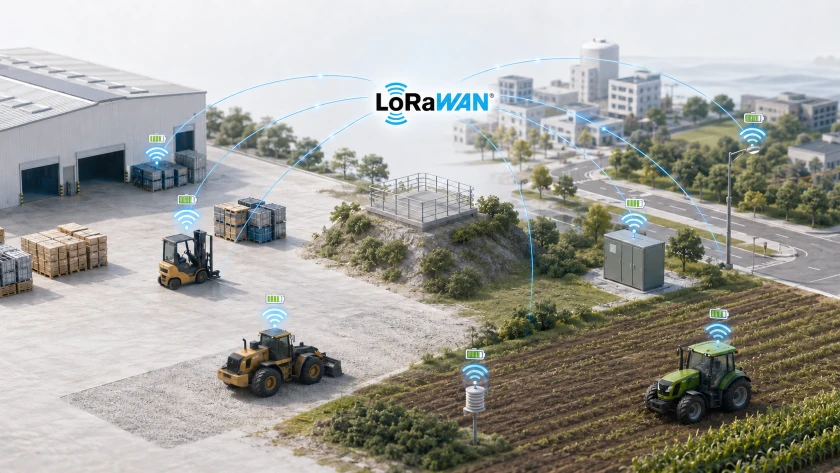
لوراوان تم تصميمه لإرسال كميات صغيرة من البيانات عبر مسافات طويلة مع الحفاظ على انخفاض استخدام طاقة الجهاز. إنه مناسب تمامًا للمواقع الكبيرة حيث يمكن للمؤسسات تثبيت بوابات خاصة أو الاتصال بشبكة عامة متاحة.
تشمل التطبيقات الشائعة:
• مراقبة المعدات الصناعية
• ساحة تتبع الأصول
• المعدات الزراعية
• البنية التحتية للمرافق
• أصول المدينة الذكية
• عناصر النقل القابلة للإرجاع
• المعدات الخارجية بطيئة الحركة
• أجهزة الاستشعار البيئية
يمكن أن يدعم LoRaWAN فترات تشغيل طويلة لأن الأجهزة يمكن أن تظل غير نشطة بين التقارير.
فهم تحديد المواقع LoRaWAN
يوفر LoRaWAN التواصل بشكل أساسي. يمكن أن يأتي موقع الأصل من عدة مصادر:
• GNSS داخل جهاز التعقب
• مناطق تغطية البوابة
• تحديد الموقع الجغرافي على أساس الشبكة
• إشارات BLE أو Wi-Fi القريبة
• سجل التثبيت المعروف
وهذا يمنح مصممي النظام عدة طرق لتحقيق التوازن بين الدقة, عمر البطارية, والتكلفة.
ينص تحالف LoRa على أن تحديد الموقع الجغرافي للشبكة يمكن أن يدعم الأصول بطيئة الحركة التي ترسل تحديثات الموقع على فترات زمنية أطول. قد تحتاج التطبيقات التي تتطلب تحديثات متكررة جدًا إلى تصميم مختلف لأن إعداد التقارير بشكل أسرع يزيد من استخدام الطاقة والشبكة.
مينيو LTB01-S LoRaWAN® جهاز تعقب الأصول بنظام تحديد المواقع العالمي (GPS) الذي يعمل بالطاقة الشمسية يجمع بين تحديد المواقع GPS, الاتصالات لوراوان, وكشف العبث. يمكنه دعم رؤية الأصول الخارجية داخل المناطق التي تغطيها بوابات LoRaWAN المناسبة.
حيث يناسب LoRaWAN الأفضل
يعد LoRaWAN مرشحًا قويًا عندما يحتاج العمل إلى معلومات دورية عن الموقع أو الحالة بدلاً من مسار الحركة المستمر.
إذا كان التطبيق يحتاج إلى تحديد موقع داخلي دقيق أو تنبيهات قريبة سريعة جدًا, قد يوفر BLE أو UWB تطابقًا أقرب.
3. أدوات داخلية, معدات, والمخزون
النهج الموصى به: بليه
يوفر BLE طريقة اقتصادية ومنخفضة الطاقة لتتبع أعداد كبيرة من الأصول الداخلية.
تقوم علامة BLE ببث معرفها بانتظام بحيث يتم تشغيل البوابات الثابتة, الأجهزة المحمولة, أو يمكن لمحددي مواقع Bluetooth اكتشافه. تحتوي بعض أجهزة تتبع BLE أيضًا على أجهزة استشعار للحركة, درجة حرارة, رطوبة, ضوء, أو كشف العبث. يمكن لهذه الأجهزة توفير معلومات الموقع ومراقبة الحالة من خلال نفس الاتصال اللاسلكي.
يستخدم البرنامج البيانات المستلمة للإبلاغ عن التواجد, منطقة, غرفة, الموقف المقدر, أو حالة الأصول.
بليه مناسبة لأسئلة مثل:
• هل الأصل موجود داخل المبنى?
• أي غرفة أو منطقة تحتوي عليه?
• متى تم اكتشافه آخر مرة?
• هل غادر منطقة معتمدة?
• هل قام شخص ما بإزالة العلامة?
• هل تحتاج البطارية إلى عناية؟?
وتشمل التطبيقات النموذجية:
• أدوات المستودعات
• المعدات الطبية
• أصول التصنيع
• المعدات المكتبية
• حاويات المخزون
• التعبئة والتغليف القابلة لإعادة الاستخدام
• شارات الموظفين
تخطيط تغطية بليه
نطاق البلوتوث ليست مسافة واحدة ثابتة. ذلك يعتمد على قوة الراديو, حساسية المتلقي, تصميم الهوائي, الحواجز المادية, وظروف الراديو المحلية.
يوضح Bluetooth SIG أن نطاق البلوتوث الفعال يمكن أن يتراوح من أقل من متر واحد إلى أكثر من كيلومتر واحد, اعتمادا على المنتج والبيئة.
لمشروع داخلي, يجب على الفرق اختبار:
• مواقف البوابة
• ارتفاع التركيب
• الجدران وحدود الغرف
• رفوف معدنية
• وضع العلامة على الأصل
• حركة عادية للموظفين والمركبات
• فترات التشغيل المزدحمة والهادئة
يساعد الاختبار في ظل ظروف العمل العادية الفريق على تأكيد التغطية وضبط موضع البوابة قبل النشر على نطاق أوسع.
تحسين نتائج الموقع BLE
يمكن لأنظمة بليه دعم مستويات دقة مختلفة.
يمكن أن يُظهر الكشف الأساسي عن البوابة ما إذا كانت هناك علامة موجودة في المنطقة أم لا. يمكن لتحليل الإشارة تقدير البوابة الأقرب. يمكن لطرق تحديد موقع Bluetooth الأكثر تقدمًا أن تدعم نتائج موقع أكثر دقة عندما يتم تصميم البنية التحتية والبرامج لهذا الغرض.
يعتمد الخيار الصحيح على الدقة المطلوبة وميزانية المشروع.
4. موقع الأصول الداخلي الدقيق
النهج الموصى بها: بلوتوث AoA وUWB
تعد زاوية وصول Bluetooth وUWB مناسبة عندما لا يوفر اكتشاف الغرفة أو المنطقة تفاصيل كافية. يمكن لكلتا التقنيتين تحديد موقع الأصول بدقة أكبر داخل منطقة داخلية محددة, لكنهم يستخدمون أساليب وبنية تحتية مختلفة.
اتفاقية التعاون بشأن البلوتوث
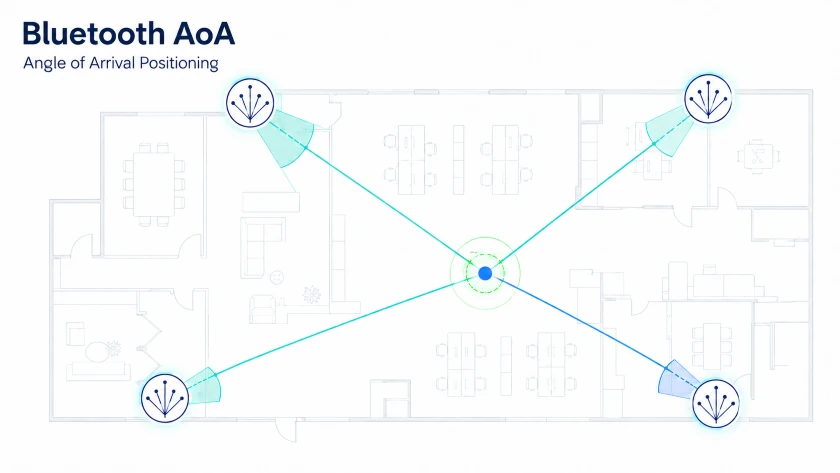
اتفاقية التعاون بشأن البلوتوث يستخدم مصفوفات الهوائي في مواقع ثابتة لقياس الاتجاه الذي تصل منه إشارة البلوتوث. يجمع نظام الموقع قياسات الزوايا من محدد موقع واحد أو أكثر لتقدير موضع علامة الإرسال.
يمكن أن تكون AoA خيارًا عمليًا للشركات التي تريد تتبعًا داخليًا أكثر دقة مع الاستمرار في استخدام علامات Bluetooth منخفضة الطاقة. وتشمل التطبيقات النموذجية:
• الأدوات والمعدات في المصانع
• الأجهزة الطبية في المستشفيات
• جرد المستودعات
• العمل قيد التقدم
• موقع الموظفين
• الملاحة الداخلية
قد يتضمن نشر Bluetooth AoA علامات متوافقة, محددات اتفاقية الزراعة, بوابات, وبرامج الموقع. ارتفاع محدد, توجيه, التغطية, ويمكن أن يؤثر خط البصر على الدقة.
بلوتوث مينيو 5.1 يجمع نظام تحديد المواقع الداخلي AoA بين محددات مواقع AoA, بوابة, وإشارات بلوتوث المتوافقة. إنه مصمم لدعم تحديد المواقع الداخلية للعدادات الفرعية في ظل ظروف النشر المناسبة.
UWB
يقيس UWB وقت انتقال الإشارة بين العلامات والمثبتات الثابتة. يتيح ذلك لنظام مصمم جيدًا تحديد موقع الأصول بدقة عالية جدًا.
ينص اتحاد FiRa على أن UWB يمكنه توفير تحديد المواقع في الوقت الفعلي بدقة تصل إلى مستوى السنتيمتر. تستخدم هذه الأنظمة عادةً نقاط ربط متزامنة وعلامات UWB.
وتشمل التطبيقات النموذجية:
• معدات المستشفى الحرجة
• أدوات التصنيع
• العمل قيد التقدم
• التوجيه الآلي للمركبة
• مراقبة المناطق المحظورة
• القرب من العمال والمركبات
• أصول داخلية عالية القيمة
الاختيار بين AoA وUWB
يمكن أن يناسب Bluetooth AoA المشاريع التي تحتاج إلى تحديد المواقع على مسافة عداد فرعي, علامات منخفضة الطاقة, والتوافق مع نظام بلوتوث أوسع. غالبًا ما يتم أخذ UWB في الاعتبار عندما يحتاج التطبيق إلى دقة على مستوى السنتيمتر أو قياس دقيق للمسافة.
يجب أن يعكس الاختيار النهائي:
• الدقة المطلوبة
• احتياجات الطاقة العلامة
• عدد الأصول المتعقبة
• تردد التحديث
• البنية التحتية اللاسلكية القائمة
• شروط التثبيت
• متطلبات التكامل
• ميزانية المشروع
يجب أن يشمل الطيار:
• الزوايا والمداخل
• رفوف عالية
• الأجسام المعدنية الكبيرة
• مناطق المصاعد والسلالم
• الأصول سريعة الحركة
• مناطق الإنتاج المزدحمة
• المناطق ذات الوصول المحدود للتركيب
قد تجد الفرق التي تحتاج فقط إلى رؤية على مستوى الغرفة أن BLE القياسي يوفر معلومات كافية. يمكن أن يدعم Bluetooth AoA تحديد المواقع الداخلية بدقة أكبر, بينما تصبح UWB ذات قيمة عندما يدعم الموضع الدقيق أمانًا واضحًا, سير العمل, أو هدف الإنتاجية.
5. لوجستيات سلسلة التبريد والتخزين
النهج الموصى به: الموقع بالإضافة إلى استشعار الحالة
يجب أن يوفر تتبع أصول سلسلة التبريد أكثر من مجرد نقطة موقع. يحتاج النظام أيضًا إلى إظهار ما إذا كانت البضائع ظلت ضمن الحدود البيئية المعتمدة.
قد يتضمن حل الهاتف المحمول النموذجي:
• GNSS للموقع في الهواء الطلق
• الاتصال الخلوي لنقل البيانات
• أجهزة استشعار لدرجة الحرارة والرطوبة
• الكشف عن الضوء أو الباب
• استشعار الصدمات والاهتزازات
• تخزين البيانات المحلية
• التنبيهات التلقائية
• منصة سحابية للسجلات والتقارير
هذا التصميم يدعم المستحضرات الصيدلانية, طعام, المنتجات الطازجة, المواد البيولوجية, وغيرها من السلع الحساسة لدرجة الحرارة.
تحويل بيانات الاستشعار إلى استجابة تشغيلية
يجب أن تعتمد تنبيهات سلسلة التبريد على المنتج وعملية الشحن. يجب أن يحدد الفريق:
• حدود درجة الحرارة والرطوبة المعتمدة
• إلى متى يمكن أن تستمر الرحلة
• من يتلقى التنبيه
• مدى سرعة استجابة الموظفين
• ما هي الإجراءات التي ينبغي للموظفين اتخاذها
• كيفية توثيق الحدث
• كيفية تصدير السجلات للمراجعة
تكون بيانات الموقع والحالة مفيدة للغاية عندما تشترك في نفس سجل الشحنة. وهذا يساعد الشركة على فهم مكان حدوث الرحلة ومدة استمرارها.
يقدم Minew العديد من الأجهزة لهذه البنية. ال مستشعر درجة الحرارة والرطوبة الصناعية MST01 مخصص للتخزين البارد, مستودع, والرصد البيئي.
يمكن لملصق الشحن MTB04 أن يجمع بين الموقع الخارجي وبيانات الحالة. يمكن لبوابة MG5 جمع القراءات من أجهزة استشعار BLE القريبة وتحميلها من خلال اتصال خلوي.
مصفوفة اختيار تتبع الأصول السريعة
يمكن أن تساعد المصفوفة التالية الفرق في إنشاء قائمة مختصرة أولية للتكنولوجيا.
| حاجة العمل | التكنولوجيا لتقييم أولا | الفائدة الرئيسية | نقطة التخطيط الرئيسية |
| تتبع المركبات عبر مناطق واسعة | GNSS مع الخلوية | موقف في الهواء الطلق واتصالات منطقة واسعة | تغطية, تجوال, والقوة |
| مراقبة المعدات عبر موقع صناعي | LoRaWAN مع مصدر موقع مناسب | طويلة المدى ومنخفضة الطاقة | تغطية البوابة والفاصل الزمني لتقديم التقارير |
| البحث عن الأصول حسب الغرفة أو منطقة العمل | بليه | تكلفة منخفضة للعلامة وعمر بطارية طويل | وضع البوابة وظروف الإشارة الداخلية |
| حدد موقع أحد الأصول في موضع داخلي محدد | UWB | دقة تحديد المواقع عالية جدًا | تصميم وتركيب المرساة |
| مراقبة البضائع الحساسة أثناء العبور | النظم العالمية لسواتل الملاحة, الخلوية, وأجهزة استشعار الحالة | الموقع والرؤية البيئية | حدود التنبيه, معايرة, والسجلات دون اتصال |
| متابعة الأصول من الطريق إلى المستودع | الهجين GNSS وBLE | الرؤية الداخلية والخارجية | تحديد المواقع والتسليم وهوية الأصول |
من الإصدار التجريبي إلى النشر الكامل
يساعد البرنامج التجريبي المنظم على تأكيد الأداء الفني وقيمة الأعمال قبل توسيع النظام.
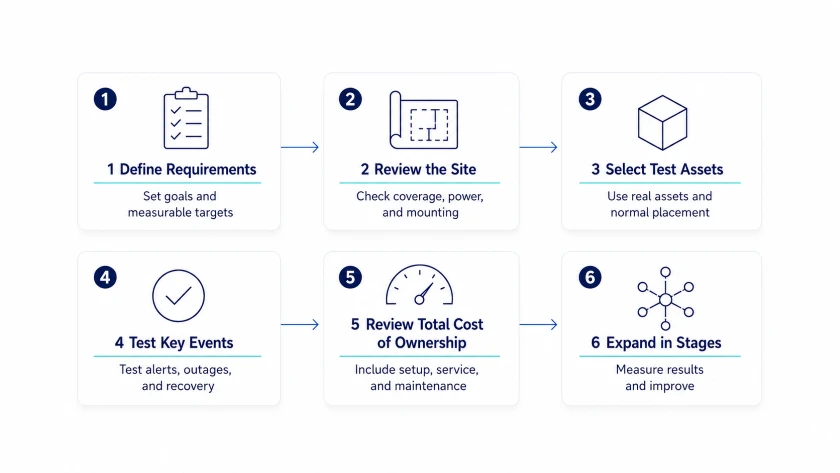
خطوة 1: تحديد المتطلبات القابلة للقياس
قبل اختيار الحل, يُعرِّف:
• أنواع الأصول وكمياتها
• مناطق داخلية وخارجية
• دقة الموقع المطلوبة
• تكرار التقارير
• عمر البطارية المستهدف
• الظروف البيئية
• متطلبات أجهزة الاستشعار
• الاحتياجات الأمنية
• متطلبات النظام الأساسي والتكامل
• الميزانية المتاحة
استبدل المصطلحات العامة بأهداف قابلة للقياس. بدلاً من طلب التحديثات في الوقت الحقيقي, حدد التأخير المقبول بين حركة الأصول ورؤية المنصة.
خطوة 2: مراجعة بيئة التشغيل
فحص مواد البناء, رفوف, الحدود الخارجية, الطاقة المتاحة, اتصالات الشبكة, وخيارات التركيب.
تساعد هذه المراجعة في تحديد عدد البوابات أو نقاط الارتساء وموضعها.
خطوة 3: حدد الأصول التمثيلية
اختبر الأصول الحقيقية من خلال مواضع التركيب الطبيعية. المعدات المعدنية, حاويات بلاستيكية, المنصات الخشبية, ويمكن للمركبات المتحركة أن تنتج نتائج راديوية مختلفة.
وينبغي أن يشمل المشروع التجريبي مناطق التشغيل المشتركة بالإضافة إلى المواقع التي قد يكون من الصعب تغطيتها.
خطوة 4: اختبار الأحداث والاستثناءات العادية
إنشاء خطة اختبار عملي تتضمن:
• حركة الأصول
• الدخول والخروج من المنطقة
• فقدان مؤقت للشبكة
• بطارية منخفضة
• انقطاع البوابة
• إزالة العلامة
• رحلات درجة الحرارة
• التقارير الفائتة
• الاسترداد بعد عودة الاتصال
وهذا يؤكد أن النظام يمكنه اكتشاف الحدث, إخطار الشخص الصحيح, والحفاظ على البيانات اللازمة.
خطوة 5: مراجعة التكلفة الإجمالية للملكية
قد تشمل التكلفة الإجمالية:
• العلامات, بتتبع, أجهزة الاستشعار, بوابات, والمراسي
• الاشتراكات الخلوية والمنصات
• تثبيت
• تخطيط الشبكة
• توفير الجهاز
• استبدال البطارية
• إدارة البرامج الثابتة
• المعايرة
• تكامل البرمجيات
• استبدال الجهاز
• الدعم الفني
الخيار الأنسب يوازن بين تكلفة الأجهزة والتركيب, صيانة, والقيمة التشغيلية.
خطوة 6: التوسع على مراحل
يمكن للأعمال التجارية التوسع من خلال البناء, طريق, فئة الأصول, أو فريق التشغيل. يجب قياس كل مرحلة:
• تحديثات الموقع الناجحة
• تنبيه وقت التسليم
• أداء البطارية
• توافر البوابة
• معدل فشل الجهاز
• استجابة الموظفين
• توفير الوقت
• نتائج فقدان الأصول أو استردادها
تساعد هذه القياسات الفرق على تحسين الإعدادات وإجراءات التشغيل مع نمو النشر.
لمحة سريعة عن أجهزة تتبع الأصول من Minew
يوفر Minew أربع فئات رئيسية من الأجهزة لتلبية احتياجات تتبع الأصول المختلفة:
منارات: مدمج, خفيفة الوزن, والتصميمات منخفضة الطاقة تجعلها سهلة التثبيت أو التكامل. منارات بلوتوث مناسبة لتحديد المواقع في الأماكن المغلقة, كشف وجود الأصول, وإدارة المنطقة.
أجهزة التتبع: تتبع الأصول دعم داخلي, في الهواء الطلق, أو تحديد المواقع الهجين. تجمع النماذج المختارة بين تتبع الموقع ودرجة الحرارة, حركة, إمالة, الضوء المحيط, أو مراقبة العبث. يمكن أن تساعد وظائف الانتقاء للضوء والصوت أيضًا موظفي المستودعات في العثور على العناصر بشكل أسرع.
أجهزة الاستشعار: دعم مراقبة حالة التطبيقات الصناعية واللوجستية. أجهزة استشعار إنترنت الأشياء وتشمل الخيارات مراقبة الاهتزاز للصيانة التنبؤية, مراقبة درجة الحرارة والرطوبة لسلاسل التبريد, الكشف عن الضوء المحيط والعبث لأمن الشحنة, واستشعار ToF لمراقبة مستوى المخزون أو المادة.
بوابات: اجمع بيانات BLE أو LoRaWAN وأرسلها إلى منصات الأعمال. تتوفر الطرازات الداخلية والخارجية مع خيارات التوصيل مثل 4G, واي فاي, إيثرنت, و بو.
خاتمة: بناء تتبع الأصول حول حالة الاستخدام
أفضل حل لتتبع أصول إنترنت الأشياء في 2026 هو الذي يناسب الأصول, بيئة, وهدف العمل.
يعد نظام GNSS مع الاتصال الخلوي خيارًا قويًا للحركة الخارجية عن بعد. يدعم LoRaWAN إعداد التقارير منخفضة الطاقة عبر المواقع الكبيرة المُدارة. يوفر BLE مسارًا اقتصاديًا لرؤية الأصول الداخلية. يدعم UWB التطبيقات التي تحتاج إلى موقع داخلي دقيق للغاية. يمكن أن تجمع مشاريع سلسلة التبريد بين التتبع وأجهزة الاستشعار البيئية لحماية البضائع الحساسة.
يجب أن يوازن التصميم النهائي بين الدقة, التغطية, عمر البطارية, سرعة الإبلاغ, بنية تحتية, حماية, والتكلفة الإجمالية. ويمكن للطيار المركز التأكد من هذه العوامل في ظل ظروف التشغيل الحقيقية.
مع مجموعة من العلامات, بتتبع, بوابات, وأجهزة استشعار, مناجم يمكن أن يدعم تتبع الأصول عبر الأماكن المغلقة, في الهواء الطلق, صناعي, الخدمات اللوجستية, وبيئات السلسلة الباردة. من خلال مطابقة الأجهزة المناسبة لكل حالة استخدام, يمكن للشركات إنشاء نظام موثوق به يعمل على تحسين الرؤية ودعم القرارات التشغيلية الأسرع.
 الدردشة الآن