
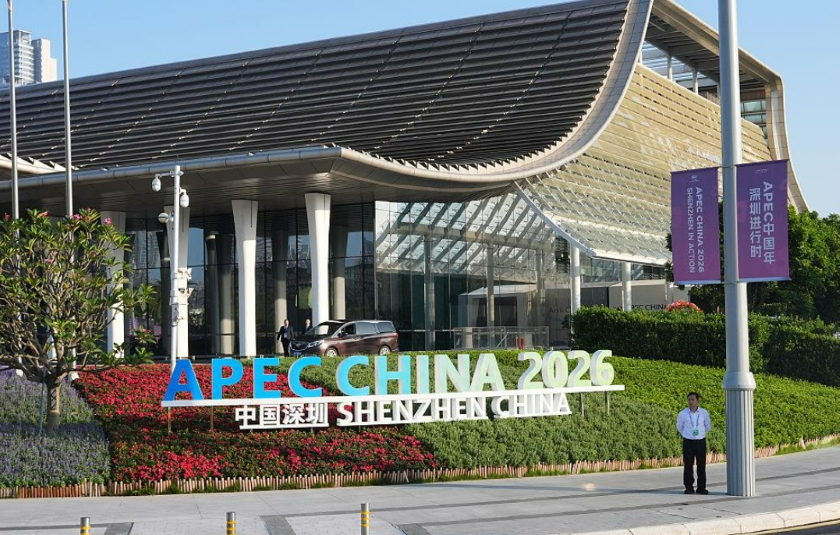
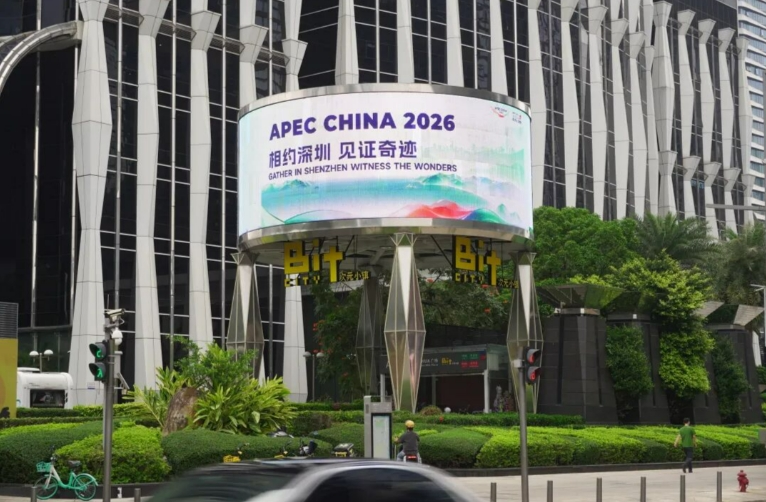
On November 18–19, 2026, 深セン, 中国, hosts the 33rd APEC Economic Leaders’ Meeting, bringing attention to the region’s shared ambitions for economic growth, 革新, and cooperation. Under the theme “Building an Asia-Pacific Community to Prosper Together,” APEC 2026 highlights three priorities: openness, 革新, and cooperation.

For Shenzhen, a city recognized for its technology, electronics manufacturing, and hardware innovation ecosystem, hosting APEC is also an opportunity to showcase how technological development can support regional economic connectivity.
Among the technologies shaping this transformation, モノのインターネット (IoT) plays an increasingly practical role. By connecting physical assets, collecting real-time data, and enabling more informed operational decisions, IoT technologies are helping businesses modernize manufacturing, improve supply chain visibility, and build more connected operations across the Asia-Pacific.
APEC 2026: Why Shenzhen Matters to the Asia-Pacific Technology Industry
APEC 2026 brings renewed attention to Shenzhen, one of China’s leading technology and electronics manufacturing hubs. With a well-established ecosystem spanning hardware design, component supply, エンジニアリング, と製造, the city plays an important role in global technology development.
For the IoT industry, Shenzhen’s integrated supply chain supports the development and production of connected devices, wireless communication hardware, and smart sensing technologies. As businesses across the Asia-Pacific accelerate digital transformation, Shenzhen’s innovation ecosystem helps connect hardware capabilities with growing demand in international markets.
How IoT Supports the Asia-Pacific Digital Economy
Digital transformation requires more than software and online platforms. Businesses also need reliable data from physical operations, including equipment, 在庫, workers, and surrounding environments.
モノのインターネット (IoT) helps bridge this gap by connecting physical devices to digital systems. Sensors and tracking tags collect real-time information, wireless technologies transmit data, and IoT gateways forward it to cloud platforms for monitoring and analysis.
Across the Asia-Pacific, these capabilities support businesses in three important ways:
● Operational visibility: Track assets, monitor equipment, and understand conditions across different facilities.
● Data-driven management: Use real-time sensor data to identify abnormalities and improve operational decisions.
● Connected supply chains: Improve asset visibility and information sharing across warehouses, logistics networks, および製造現場.
By turning physical operations into accessible digital data, IoT provides an important foundation for industrial digitalization and more connected business ecosystems.
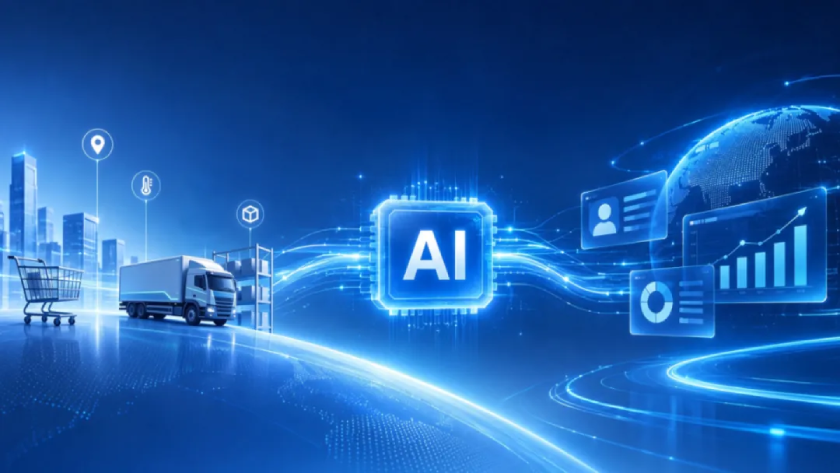
Three IoT Applications Driving Industrial Digital Transformation
Across the Asia-Pacific, IoT technologies are helping businesses improve operational visibility, optimize resource management, and support data-driven decisions. Three applications demonstrate their practical value.
1. Smart Manufacturing and Industrial IoT
Manufacturing facilities involve complex operations across equipment, workers, and production environments. IoT in manufacturing help connect these elements through real-time data collection and wireless communication.
● 環境モニタリング: Wireless temperature and humidity sensors help manufacturers monitor production and storage conditions, identify abnormalities, and maintain suitable environments for sensitive materials and components.
● 人事管理: BLE tags and smart badges can support indoor positioning and workforce visibility, helping facility managers coordinate personnel and improve workplace safety management.
● Connected operations: IoT gateways collect data from distributed wireless devices and transmit it to centralized platforms, supporting more efficient industrial monitoring.
一緒に, these technologies help manufacturers move from manual inspections toward more connected and data-driven operations.
2. Smart Warehousing and Supply Chain Visibility
IoT in supply chains often involve multiple warehouses, logistics providers, and distribution centers. Tracking assets and maintaining accurate inventory information across these locations can be challenging.
IoT-based tracking and monitoring technologies offer practical solutions:
● 資産管理: BLE asset tags attached to containers, 装置, and pallets help businesses monitor asset locations within facilities and improve inventory visibility.
● 環境モニタリング: Temperature and humidity sensors track storage conditions in warehouses and cold storage areas, helping identify potential environmental issues.
● 業務効率化: Connected devices reduce reliance on repeated manual checks and provide data that can support inventory management and coordination between facilities.
For businesses operating across the Asia-Pacific, these capabilities can improve supply chain transparency and asset management efficiency.
3. Smart Buildings and Environmental Monitoring
Commercial buildings, 病院, 倉庫, and industrial facilities all require effective environmental management. IoT sensors provide continuous data collection to help facility managers monitor conditions across different spaces.
Temperature and humidity sensors can track indoor environmental conditions, while motion and occupancy sensors help monitor space utilization. Connected gateways transmit collected data to centralized platforms, allowing managers to review conditions and respond to abnormal readings.
By combining wireless sensing, 接続性, and centralized monitoring, IoT helps organizations manage facilities more efficiently and make informed operational decisions.
From Shenzhen to the World: Minew’s Role in IoT Innovation
As a Shenzhen-based IoT hardware company, Minew operates within the technology ecosystem that connects hardware innovation with global industrial applications.
Minew focuses on wireless communication, smart sensing, and positioning technologies, providing IoT devices and hardware solutions for applications across asset tracking, 環境モニタリング, 人事管理, 接続された操作.
Its product portfolio includes Bluetooth Low Energy devices, IoTゲートウェイ, ワイヤレスセンサー, positioning products, and related hardware.
These technologies address several practical requirements of digital transformation:
Wireless connectivity for distributed IoT devices
ブルートゥース and other wireless technologies enable connected devices to communicate information without requiring every sensor or tracking device to use a wired connection. Gateways can help collect data from multiple devices and forward it to backend systems.
Sensing for real-world visibility
Wireless temperature and humidity sensors help businesses collect environmental data from warehouses, commercial facilities, および産業環境.
Tracking for asset and personnel management
BLEタグ, ビーコン, and positioning devices can support asset visibility and personnel-related applications in warehouses, 工場, and other indoor environments.
For companies developing IoT solutions, hardware reliability, communication performance, deployment flexibility, and compatibility with the wider system are important considerations. These factors influence how effectively connected devices can be integrated into real business operations.
Minew’s work in IoT hardware reflects a broader development in the industry: digital transformation depends not only on software platforms and artificial intelligence, but also on the connected devices that collect and transmit information from the physical world.
As a company based in Shenzhen, Minew is part of an innovation ecosystem that serves customers and applications beyond China. The growing demand for connected industrial operations across the Asia-Pacific creates opportunities for IoT hardware providers to contribute to the development of more visible, 測定可能な, and efficient business processes.
将来を見据えて: IoT Opportunities Across the Asia-Pacific
As digital transformation accelerates across the Asia-Pacific, IoT will continue to support smarter manufacturing, more visible supply chains, and connected business operations. Its integration with cloud platforms, エッジコンピューティング, and artificial intelligence will create new opportunities for businesses to turn real-time data into actionable insights.
For this transformation to succeed, reliable connectivity and hardware remain essential. As a Shenzhen-based IoT company, Minew will continue to focus on wireless communication, smart sensing, and positioning technologies, helping businesses connect people, 資産, and environments across diverse industrial applications.