


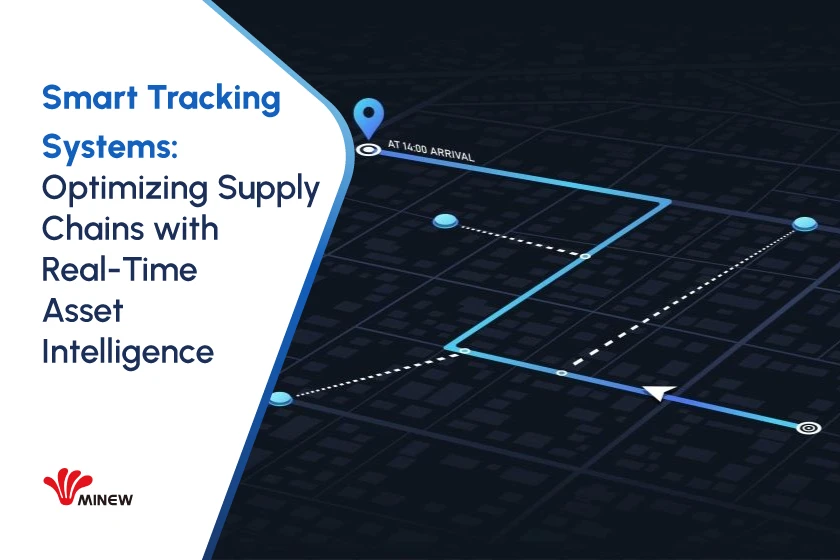
Nel mondo in rapida evoluzione dell’Internet of Things (IoT), sapere dove sono i tuoi beni non è più sufficiente. Abbiamo superato l’era dei semplici punti su una mappa ed entriamo in una nuova era di location intelligence. Oggi, Smercato Tla scaffalatura si è evoluta da una base “trova la mia roba” strumento in un sofisticato sistema nervoso operativo per le imprese.
Che si tratti di un ospedale che gestisce ventilatori salvavita o di un colosso della logistica che monitora migliaia di micro-pacchi, il passaggio dai dati statici alla percezione in tempo reale sta cambiando il modo in cui lavoriamo. Questo post del blog esplora come funziona questa tecnologia, perché è importante, e gli strumenti specifici che guidano la carica.
Come funziona il monitoraggio intelligente: Gli strati dell'intelligenza
Per capire dispositivo di localizzazione intelligente, devi guardare sotto la superficie. Non è solo una custodia di plastica con una batteria: è uno stack multistrato di hardware e software che funziona in perfetta armonia.
Hardware principale
Al centro di ogni tracker c'è una combinazione di tecnologia di rilevamento e moduli di comunicazione. I componenti di rilevamento (come GNSS per la posizione o accelerometri per il movimento) acquisire i dati grezzi sullo stato del bene. Il modulo di comunicazione (la radio) quindi impacchetta questi dati da inviare in modalità wireless. I design moderni si concentrano sull'efficienza a bassissimo consumo, spesso utilizzando “batterie di carta” o chipset specializzati che garantiscono anni di servizio in un fattore di forma ridotto.
Protocolli di connettività
La connettività è il ponte che trasporta i dati. In questo caso non esiste una soluzione valida per tutti:
Bluetooth a basso consumo energetico (BLE): BBluetooth ioS PPerfetto per il posizionamento in ambienti interni e la gestione delle risorse a corto raggio in cui la durata della batteria è la priorità.
NB-IoT (IoT a banda stretta): Un protocollo basato su cellulare che fornisce una profonda penetrazione indoor e affidabilità urbana, ideale per contatori intelligenti e Smercato assistenza sanitaria.
LoRaWAN: Il punto di riferimento per il lungo raggio, reti private. Può trasmettere dati 5 A 15 chilometri, rendendolo uno dei preferiti per l'agricoltura e i grandi siti industriali.
EDGE CALCING
Il cambiamento più grande degli ultimi anni è l’ascesa dell’edge computing. Invece di inviare ogni piccola parte di dati grezzi a un server cloud distante, il dispositivo di localizzazione intelligente elabora le informazioni localmente. Ciò riduce la latenza, consente di risparmiare la durata della batteria, e garantisce che gli avvisi critici (come una violazione della sicurezza) accadere in tempo reale.
Perché la tua azienda ha bisogno di una strategia di monitoraggio
L’implementazione della location intelligence è una mossa strategica che offre tre vantaggi principali:
Efficienza operativa: Automatizzando il conteggio delle risorse e gli aggiornamenti della posizione, le aziende possono ridurre l'immissione manuale dei dati fino a 80%. Ciò consente al tuo team di concentrarsi su lavori di alto valore invece di cercare strumenti perduti.
Approfondimenti basati sui dati: L'analisi si muove da “quello che è successo” A “cosa accadrà.” I modelli predittivi utilizzano i dati di tracciamento per prevedere le esigenze di inventario e ottimizzare i percorsi della catena di fornitura.
Mitigazione del rischio: La visibilità in tempo reale aiuta a prevenire furti e smarrimenti. In ambienti ad alto rischio, fornisce una traccia di controllo di cui gli enti regolatori e le compagnie assicurative si fidano.
Casi d'uso nel settore: Monitoraggio intelligente in azione
La location intelligence sta trasformando con precisione settori specifici:
la logistica & Catena di fornitura: Avanzate accorto etichette ora forniscono visibilità fino al livello del singolo pacco, non solo il contenitore. Questo “tracciabilità granulare” garantisce che gli articoli sensibili come i prodotti farmaceutici siano monitorati per la temperatura e l'impatto durante tutto il loro viaggio.
Gestione delle risorse industriali: In enormi magazzini, posizionamento interno contribuire a ottimizzare la movimentazione dei carrelli elevatori e del personale, riducendo le collisioni e migliorando il flusso di lavoro.
Sanità intelligente: Gli ospedali sfruttano il monitoraggio intelligente per semplificare il flusso dei pazienti e individuare immediatamente le apparecchiature critiche. Ciò riduce i colli di bottiglia operativi e, cosa ancora più importante, garantisce un ambiente assistenziale più sicuro e reattivo.
Un tuffo nel profondo di Minew‘s Ecosistema di tracciamento intelligente
Minew ha sviluppato una gamma di hardware progettata per soddisfare queste diverse esigenze con design ad alta precisione e a bassa manutenzione.
Microgestione: La MTB09 & Etichetta di asset super minuscola MTB10
Per le aziende che gestiscono elevati volumi di risorse quotidiane (come utensili manuali o attrezzature per ufficio), MTB09 e MTB10 Etichetta asset minuscola sono punti di svolta. Queste minuscole etichette sono più piccole di una moneta e sono dotate di linguetta di attivazione per un'implementazione immediata. L'MTB09 offre una durata della batteria fino a 3.5 anni, rendendolo affidabile, soluzione a bassa manutenzione per inventario a lungo termine.
La rivoluzione della logistica: Etichetta intelligente stampabile MTB06 BLE
I tag RFID tradizionali sono passivi, Ma Etichetta intelligente stampabile MTB06 BLE è un'etichetta intelligente stampabile BLE attiva. Con uno spessore di soli 1,2 mm, può essere stampato con stampanti compatibili e attaccato a imballaggi flessibili. Combina BLE e RFID UHF, offrendoti visibilità in tempo reale senza la necessità di hardware ingombrante.
Conclusione
L’IoT è già un motore essenziale dell’industria moderna, e da 2026, maturerà da potente strumento fino a diventare il fondamento assoluto dell'impresa autonoma. Passare a un modello di tracciamento intelligente significa molto più che semplicemente trovare oggetti: si tratta di creare un ambiente trasparente, efficiente, e un ambiente sicuro in cui i dati in tempo reale portano ad un’azione immediata. Poiché tecnologie come l’IoT satellitare e l’intelligenza artificiale edge continuano ad evolversi, le aziende che investono in questi sistemi oggi saranno quelle leader del mercato domani.
 Chatta adesso