


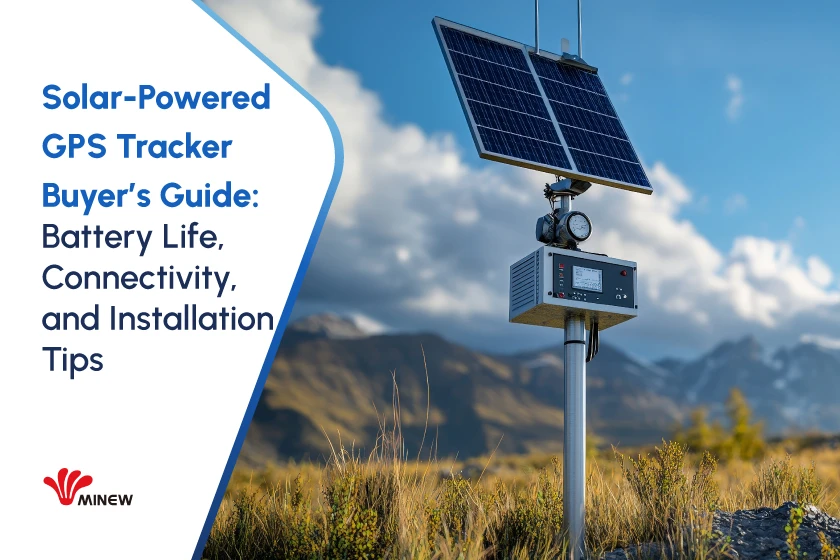
Minew LTB01-S LoRaWAN Localizzatore GPS solare è un esempio di questa direzione. La sua ricarica solare, Connettività LoRaWAN, doppio posizionamento interno ed esterno, e il design anti-manomissione mostrano come gli inseguitori solari possano supportare il monitoraggio delle risorse di lunga durata senza frequenti interventi manuali.
introduzione
Immagina uno scenario: un gestore della flotta deve individuare un rimorchio, ma il localizzatore GPS è morto. La squadra si affretta e il tempo è perso. Le operazioni si bloccano, soprattutto quando i localizzatori fanno affidamento solo sulle batterie e le risorse rimangono all'aperto per lunghi periodi senza controlli. I localizzatori GPS ad energia solare risolvono questo problema generando la propria energia, mantenendo i dispositivi in vita per mesi senza intervento. In questo articolo, esploriamo come localizzatori GPS solari lavoro, le tendenze tecnologiche che li modellano 2026, e come apportano vantaggi reali alle imprese. Alla fine, capirai cosa cercare quando ne selezioni uno.
Come funzionano i localizzatori GPS ad energia solare: La scienza dell'autoricarica
Raccolta di energia
I moderni localizzatori GPS alimentati ad energia solare utilizzano raccolta di energia tecnologia, utilizzando pannelli solari per catturare la luce solare esterna e convertirla in energia. Mentre questi pannelli possono ancora produrre energia in condizioni di cielo coperto, la luce ambientale interna di solito contribuisce molto poco. Questa configurazione mantiene i dispositivi carichi per lunghi periodi e riduce la necessità di frequenti sostituzioni della batteria.
Stoccaggio dell'energia
All'interno del localizzatore, una batteria ricaricabile agli ioni di litio immagazzina l'energia raccolta dal pannello solare. Il tempo di backup varia in base alla dimensione della batteria, intervallo di segnalazione, potenza del segnale, e attività motoria. Alcuni modelli ad alta capacità possono durare mesi in standby a basso consumo, mentre molti tracker necessitano nuovamente della luce solare dopo giorni o settimane di reporting attivo. Questo buffer mantiene il dispositivo in funzione di notte e durante i periodi di scarsa illuminazione.
Ciclo di trasmissione dati
Una volta che il dispositivo acquisisce la sua posizione utilizzando i satelliti GPS, invia i dati a una dashboard basata su cloud. Questo ciclo consente ai manager di vedere le risorse in tempo reale. Alcuni dispositivi, come il Localizzatore di risorse GPS solare LoRaWAN LTB01-S, passa anche dalla scansione BLE interna al GPS esterno. Questo posizionamento ibrido riduce i punti ciechi, mantenendo le risorse visibili sia all'interno di un magazzino che all'esterno sul campo.
Perché la durata della batteria non è un numero fisso
Durata della batteria per un localizzatore GPS alimentato ad energia solare non esiste un unico numero fisso su cui puoi fare affidamento in ogni situazione. Il tempo di funzionamento di un dispositivo dipende da diversi fattori che cambiano nell'uso reale.
Primo, la frequenza di segnalazione è importante. Un localizzatore che invia la posizione una volta ogni ora consuma molta meno energia di uno che la invia ogni pochi minuti. Una frequenza più alta scarica la batteria più velocemente.
Secondo, il movimento e la potenza del segnale influiscono sul consumo energetico. Quando un tracker è in movimento, ha bisogno di usare la radio più spesso per inviare aggiornamenti. Quando il segnale cellulare o LoRaWAN è debole, il dispositivo potrebbe consumare più energia nel tentativo di connettersi.
Terzo, le condizioni della luce solare variano. Un localizzatore in campi aperti e soleggiati raccoglierà più energia di uno in un cortile ombreggiato o dietro un'attrezzatura. Nuvole, ombre, e i livelli di luce invernale riducono l’apporto energetico.
Finalmente, le dimensioni della batteria e l’efficienza dell’elettronica sono importanti. Le batterie più grandi immagazzinano più energia, e un'elettronica più efficiente utilizza meno energia per svolgere lo stesso lavoro.
A causa di questi fattori, due tracker identici possono durare in modo molto diverso a seconda di come vengono utilizzati. Un tracker in standby con poco movimento potrebbe funzionare per molte settimane con l'energia immagazzinata, mentre uno in modalità rapporto frequente utilizzerà la batteria più velocemente.
Quando dovresti utilizzare un localizzatore GPS ad energia solare?
I localizzatori GPS ad energia solare non sono adatti ad ogni situazione. Hanno senso quando l’ambiente e l’uso delle risorse si adattano a determinati modelli.
Dovresti prendere in considerazione un localizzatore GPS ad energia solare quando:
- L'asset trascorre la maggior parte del tempo all'aperto o in luoghi con una certa luce solare.
- La posizione del localizzatore è difficile da raggiungere per la sostituzione regolare della batteria.
- Vuoi ridurre i lavori di manutenzione ordinaria.
- Hai bisogno di essere monitorato per settimane o mesi senza una fonte di alimentazione.
I localizzatori GPS ad energia solare potrebbero non essere adatti quando:
- La risorsa rimane per lo più in ambienti chiusi o in aree buie dove i pannelli solari non possono ricevere luce.
- È necessaria una frequenza di report molto elevata e l'ambiente non fornisce abbastanza luce solare per ricaricarsi.
- È necessario nascondere completamente il dispositivo all'interno di involucri metallici che blocchino sia la luce solare che i segnali.
- Il costo di una soluzione cablata è inferiore ed è disponibile un alimentatore.
Scegliere il giusto localizzatore significa adattare il dispositivo alle reali condizioni di luce e segnale in cui vive l'asset.
Vantaggi aziendali strategici
Operazioni senza manutenzione
Con localizzatori GPS alimentati ad energia solare, si evita la sostituzione periodica della batteria. Ciò consente di risparmiare sulla manodopera e di ridurre “rotolo di camion” costi. Le aziende possono concentrarsi sulle operazioni invece di inseguire batterie scariche.
Migliore visibilità a lungo termine
Perché gli inseguitori solari possono mantenere la batteria sempre carica, è più probabile che rimangano attivi giorno dopo giorno. Per beni che rimangono all'aperto per settimane o mesi, ciò aumenta la possibilità di disporre sempre di dati sulla posizione aggiornati. Si tratta di mantenere in vita i tracker abbastanza a lungo da essere utili, soprattutto quando le risorse restano inattive tra una mossa e l'altra.
Sostenibilità & Esg
Usare l'energia solare per caricare le batterie dei dispositivi significa che vengono gettate via meno batterie usa e getta. Per il monitoraggio delle organizzazioni Esg obiettivi o cercando di ridurre gli sprechi, ciò si allinea con gli sforzi di sostenibilità senza sacrificare le prestazioni di monitoraggio.
2026 Tendenze tecnologiche nel monitoraggio delle risorse
Gestione energetica basata sull'intelligenza artificiale
I tracker ora utilizzano algoritmi intelligenti per regolare le velocità di ping. Possono inviare meno aggiornamenti quando la batteria è scarica o quando la risorsa è ferma, risparmio energetico. Quando viene rilevato un movimento, aumentano la frequenza per fornire avvisi tempestivi.
Posizionamento ibrido
Combinazione del GPS, Wifi, e la scansione BLE consente il tracciamento continuo sia all'interno che all'esterno. Questo approccio ibrido mantiene i manager consapevoli della posizione delle risorse nei magazzini, uffici, o siti all'aperto, garantendo che le apparecchiature critiche siano sempre visibili e riducendo il rischio di angoli ciechi o oggetti smarriti.
Miniaturizzazione
Al giorno d'oggi molti localizzatori GPS alimentati ad energia solare includono ancora una batteria di medie dimensioni per immagazzinare energia, quindi i dispositivi nel complesso possono sembrare ingombranti. Ma la tendenza è verso progetti più piccoli e sottili con celle solari più efficienti ed elettronica di minore potenza. Ciò semplifica l'installazione di tracker su una gamma più ampia di risorse, dalle piccole apparecchiature ai punti di installazione ristretti, senza compromettere l'energia solare o le prestazioni di tracciamento.
Casi d'uso primari
Logistica e Flotta: Tracciamento a lungo termine dei rimorchi, telaio, o contenitori.
Costruzione: Monitoraggio di attrezzature pesanti in cantieri remoti.
Agricoltura: Tenere traccia dei macchinari stagionali lasciati nei campi.
Marittimo: Monitoraggio di container e chiatte in acque internazionali.
In ogni caso, gli inseguitori solari eliminano i tempi di inattività causati da batterie scariche e riducono il rischio di perdita di beni.
Guida all'acquisto: Cosa cercare in 2026
Un buon localizzatore GPS alimentato ad energia solare non è semplicemente un dispositivo GPS con un pannello solare. Dovrebbe corrispondere al tuo tipo di risorsa, condizioni di luce, copertura di rete, e le esigenze di rendicontazione. Prima di acquistare, controlla queste aree chiave.
Pannello solare ed efficienza di ricarica
Scegli un localizzatore con pannello solare progettato per l'uso esterno. I pannelli monocristallini sono spesso preferiti perché possono produrre più energia in un’area più piccola rispetto ai pannelli policristallini. Questo è importante quando il tracker deve rimanere compatto.
Controlla anche le prestazioni del dispositivo in condizioni di tempo nuvoloso, ombra, e la luce invernale. La ricarica solare dovrebbe supportare la batteria, ma non dovrebbe essere trattato come un potere illimitato.
Modalità di backup e alimentazione della batteria
Guarda oltre le dimensioni della batteria. Chiedi per quanto tempo il tracker può funzionare all'intervallo di reporting pianificato. Un dispositivo che invia report una volta al giorno può durare molto più a lungo di uno che invia report ogni cinque minuti.
Le funzioni di alimentazione utili includono la modalità di sospensione, reporting basato sul movimento, avvisi di batteria scarica, e intervalli di aggiornamento regolabili. Queste funzionalità aiutano il localizzatore a risparmiare energia quando la risorsa non è in movimento.
Precisione di posizionamento e supporto indoor
Il GPS funziona meglio all'aperto con una visione chiara del cielo. Se i tuoi beni si spostano tra i cantieri, magazzini, e vie di trasporto, cercare un posizionamento ibrido.
Un tracker che supporta GPS più BLE, Wifi, o altri metodi di localizzazione in interni possono ridurre i punti ciechi. Per esempio, La scansione BLE può aiutare a identificare le zone interne in cui i segnali GPS sono deboli o non disponibili.
Connettività e copertura
La rete migliore dipende dall'area di distribuzione. LoRaWAN può funzionare bene per le aziende agricole, porti, Campus, e siti industriali con copertura gateway. Il cellulare è spesso migliore per le risorse che si spostano tra città o regioni. Potrebbe essere necessario il satellite per gli oceani, miniere, deserti, o altre aree remote.
Non scegliere la connettività solo per nome. Testa la qualità del segnale nei luoghi reali in cui opereranno le tue risorse.
Montaggio e progettazione ambientale
Controlla se il tracker supporta il magnetico, vite, adesivo, o montaggio su staffa. La scelta giusta dipende dal materiale dell'asset, vibrazione, rischio furto, e se il localizzatore deve essere visibile per la ricarica solare.
Per le attività all'aperto, controlla anche l'impermeabilità, protezione dalla polvere, temperatura operativa, e resistenza agli urti. Un tracker che funziona bene in un laboratorio potrebbe fallire rapidamente su attrezzature edili o risorse di spedizione.
Software, Avvisi, e integrazione
La piattaforma conta tanto quanto il dispositivo. Cerca il geofencing, avvisi di movimento, avvisi di manomissione, stato della batteria, cronologia delle posizioni, e report esportabili.
Per implementazioni più grandi, L'integrazione API è importante. Permette ai dati di tracciamento di connettersi con i sistemi della flotta, sistemi di magazzino, Strumenti ERP, o dashboard dei clienti.
Costo totale di proprietà
Non confrontare solo il prezzo del dispositivo. Includi le tariffe di rete, commissioni della piattaforma, tempo di installazione, visite di manutenzione, lavoro di sostituzione della batteria, e rischio di perdita delle attività.
Un localizzatore GPS alimentato ad energia solare può costare di più in anticipo, ma può avere senso quando riduce i controlli manuali e mantiene visibili le risorse remote più a lungo.
Conclusione
I localizzatori GPS ad energia solare sono particolarmente utili per le risorse esterne o difficili da raggiungere. La durata della batteria dipende dalla luce solare, frequenza di segnalazione, e movimento, quindi le condizioni del mondo reale contano più dei numeri pubblicizzati. Installazione corretta, copertura di rete, e la configurazione degli avvisi aiutano a garantire un monitoraggio affidabile e a ridurre gli interventi di manutenzione.
Per i team che perdono visibilità quando le risorse si spostano tra siti esterni e aree interne, Il localizzatore GPS LoRaWAN di Minew con supporto BLE offre una risposta pratica. Il GPS aiuta a localizzare le risorse all'aperto, mentre BLE può supportare il posizionamento a livello di zona interna dove i segnali satellitari sono deboli. Minew fornisce inoltre diversi fattori di forma del tracker per diverse dimensioni di risorse e flussi di lavoro, aiutare i team a evitare di utilizzare un tipo di dispositivo per ogni problema di tracciamento.
Esplora la nostra gamma completa per trovare il tracker giusto per le tue operazioni. Vuoi approfondire le strategie di tracciamento delle risorse e le soluzioni IoT? Dai un'occhiata a questi articoli correlati:
👉Una guida completa alle soluzioni di monitoraggio intelligente
👉Visibilità delle risorse end-to-end: Come si è evoluta la tecnologia di tracciamento multimodale
 Chatta adesso