


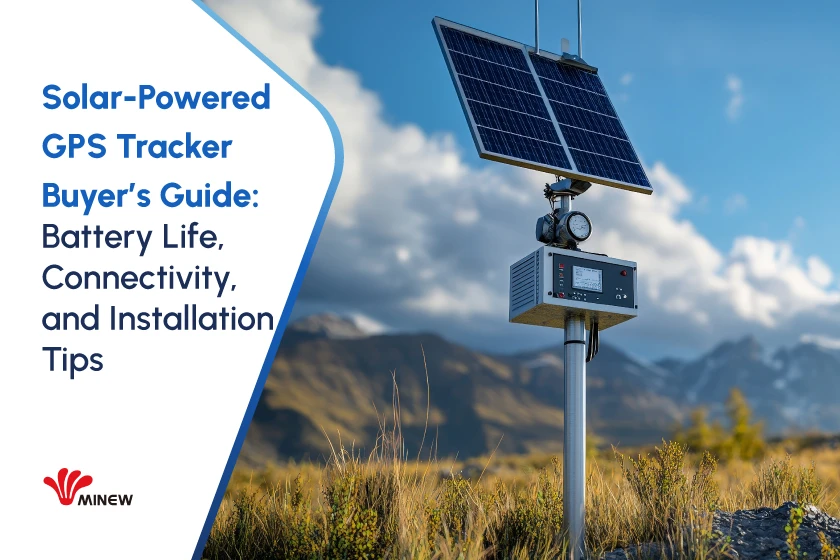
Minew LTB01-S LoRaWAN Solar GPS Asset Tracker ist ein Beispiel für diese Richtung. Seine solare Aufladung, LoRaWAN-Konnektivität, Duale Innen- und Außenpositionierung, und das manipulationssichere Design zeigen, wie Solartracker eine langlebige Anlagenüberwachung ohne häufige manuelle Wartung unterstützen können.
Einführung
Stellen Sie sich ein Szenario vor: Ein Flottenmanager muss einen Anhänger ausfindig machen, aber der GPS-Tracker ist tot. Das Team gerät in Bedrängnis und es geht Zeit verloren. Der Betrieb stockt, Vor allem, wenn Tracker nur auf Batterien angewiesen sind und die Geräte längere Zeit ohne Kontrolle im Freien stehen. Solarbetriebene GPS-Tracker lösen dieses Problem, indem sie ihren eigenen Strom erzeugen, Hält Geräte monatelang ohne Eingriff am Leben. In diesem Artikel, Wir erforschen, wie Solar-GPS-Tracker arbeiten, die Technologietrends, die sie prägen 2026, und wie sie den Unternehmen echte Vorteile bringen. Am Ende, Sie werden verstehen, worauf Sie bei der Auswahl achten müssen.
So funktionieren solarbetriebene GPS-Tracker: Die Wissenschaft der Selbstaufladung
Energiernutzung
Moderne solarbetriebene GPS-Tracker nutzen Energiegewinnung Technologie, Verwendung von Sonnenkollektoren, um das Sonnenlicht im Freien einzufangen und in Strom umzuwandeln. Während diese Panels bei bewölktem Himmel immer noch etwas Energie produzieren können, Das Umgebungslicht in Innenräumen trägt normalerweise nur sehr wenig dazu bei. Durch diese Konfiguration bleiben die Geräte über lange Zeiträume aufgeladen und die Notwendigkeit eines häufigen Batteriewechsels wird reduziert.
Energiespeicher
Im Tracker, Ein wiederaufladbarer Lithium-Ionen-Akku speichert die vom Solarpanel gesammelte Energie. Die Backup-Zeit variiert je nach Batteriegröße, Berichtsintervall, Signalstärke, und Bewegungsaktivität. Einige Modelle mit hoher Kapazität können im Standby-Modus mit geringem Stromverbrauch monatelang durchhalten, während viele Tracker nach Tagen oder Wochen aktiver Berichterstattung wieder Sonnenlicht benötigen. Dieser Puffer sorgt dafür, dass das Gerät nachts und bei schlechten Lichtverhältnissen läuft.
Datenübertragungsschleife
Sobald das Gerät seinen Standort mithilfe von GPS-Satelliten erfasst, Es sendet die Daten an ein cloudbasiertes Dashboard. Diese Schleife ermöglicht es Managern, Vermögenswerte in Echtzeit zu sehen. Einige Geräte, wie die LTB01-S LoRaWAN Solar-GPS-Asset-Tracker, Wechseln Sie auch zwischen Indoor-BLE-Scanning und Outdoor-GPS. Diese hybride Positionierung reduziert tote Winkel, Halten Sie die Vermögenswerte sichtbar, egal ob innerhalb eines Lagers oder draußen im Feld.
Warum die Akkulaufzeit keine feste Zahl ist
Batterielebensdauer Denn ein solarbetriebener GPS-Tracker ist keine feste Nummer, auf die Sie sich in jeder Situation verlassen können. Die Laufzeit eines Geräts hängt von mehreren Faktoren ab, die sich im realen Gebrauch ändern.
Erste, Die Häufigkeit der Berichterstattung ist wichtig. Ein Tracker, der den Standort einmal pro Stunde sendet, verbraucht viel weniger Strom als einer, der ihn alle paar Minuten sendet. Eine höhere Frequenz entlädt die Batterie schneller.
Zweite, Bewegung und Signalstärke wirken sich auf den Stromverbrauch aus. Wenn sich ein Tracker bewegt, Es muss häufiger den Funk nutzen, um Aktualisierungen zu senden. Wenn das Mobilfunk- oder LoRaWAN-Signal schwach ist, Das Gerät verbraucht möglicherweise mehr Energie beim Versuch, eine Verbindung herzustellen.
Dritte, Die Sonneneinstrahlungsbedingungen variieren. Ein Tracker auf sonnigen, weiten Feldern sammelt mehr Energie als einer in einem schattigen Garten oder hinter Geräten. Wolken, Schatten, und die Lichtverhältnisse im Winter verringern den Energieaufwand.
Endlich, Die Batteriegröße und die Effizienz der Elektronik sind wichtig. Größere Batterien speichern mehr Energie, und effizientere Elektronik verbraucht weniger Strom, um die gleiche Arbeit zu erledigen.
Aufgrund dieser Faktoren, Zwei identische Tracker können je nach Nutzung sehr unterschiedlich halten. Ein Tracker im Standby-Modus mit wenig Bewegung könnte viele Wochen lang mit gespeichertem Strom laufen, während jemand im Modus „Häufige Berichte“ den Akku schneller verbraucht.
Wann sollten Sie einen solarbetriebenen GPS-Tracker verwenden??
Solarbetriebene GPS-Tracker sind nicht für jede Situation geeignet. Sie sind sinnvoll, wenn die Umgebung und die Nutzung von Vermögenswerten bestimmten Mustern entsprechen.
Sie sollten einen solarbetriebenen GPS-Tracker in Betracht ziehen, wenn:
- Der Vermögenswert verbringt die meiste Zeit im Freien oder an Orten mit etwas Sonnenlicht.
- Der Standort des Trackers ist für einen regelmäßigen Batteriewechsel schwer zu erreichen.
- Sie möchten routinemäßige Wartungsarbeiten reduzieren.
- Sie benötigen eine Ortung über Wochen oder Monate hinweg ohne Stromquelle.
Solarbetriebene GPS-Tracker sind in diesem Fall möglicherweise nicht geeignet:
- Der Vermögenswert bleibt größtenteils in Innenräumen oder in dunklen Bereichen, wo Sonnenkollektoren kein Licht bekommen.
- Sie benötigen eine sehr hohe Meldehäufigkeit und die Umgebung bietet nicht genügend Sonnenlicht zum Aufladen.
- Sie müssen das Gerät vollständig in Metallgehäusen verstecken, die sowohl Sonnenlicht als auch Signale blockieren.
- Die Kosten einer kabelgebundenen Lösung sind geringer und ein Netzteil ist verfügbar.
Die Wahl des richtigen Trackers bedeutet, dass das Gerät an die tatsächlichen Licht- und Signalbedingungen am Standort der Anlage angepasst wird.
Strategische Geschäftsvorteile
Wartungsfreier Betrieb
Mit solarbetriebenen GPS-Trackern, Sie vermeiden den regelmäßigen Batteriewechsel. Das spart Arbeitsaufwand und reduziert “LKW-Rolle” Kosten. Unternehmen können sich auf den Betrieb konzentrieren, anstatt nach leeren Batterien zu suchen.
Bessere Langzeitsichtbarkeit
Weil Solartracker ihre Batterie aufgeladen halten können, Es ist wahrscheinlicher, dass sie Tag für Tag aktiv bleiben. Für Vermögenswerte, die wochen- oder monatelang im Freien bleiben, Dies erhöht die Chance, dass Sie immer über aktuelle Standortdaten verfügen. Es geht darum, Tracker lange genug am Leben zu halten, damit sie nützlich sind, vor allem, wenn Vermögenswerte zwischen den Bewegungen ungenutzt bleiben.
Nachhaltigkeit & ESG
Durch die Nutzung von Solarenergie zum Laden von Gerätebatterien werden weniger Einwegbatterien weggeworfen. Für die Nachverfolgung von Organisationen ESG Ziele verfolgen oder versuchen, Abfall zu reduzieren, Dies steht im Einklang mit den Nachhaltigkeitsbemühungen, ohne dass die Tracking-Leistung darunter leidet.
2026 Technologietrends in der Asset-Verfolgung
KI-gesteuertes Energiemanagement
Tracker verwenden jetzt intelligente Algorithmen, um die Ping-Raten anzupassen. Sie können weniger Aktualisierungen senden, wenn der Akku fast leer ist oder das Gerät stationär ist, Strom sparen. Wenn eine Bewegung erkannt wird, Sie erhöhen die Häufigkeit, um rechtzeitig Warnungen bereitzustellen.
Hybride Positionierung
GPS kombinieren, W-lan, und BLE-Scannen ermöglicht eine kontinuierliche Verfolgung sowohl im Innen- als auch im Außenbereich. Dieser hybride Ansatz hält Manager über die Standorte der Vermögenswerte in Lagern auf dem Laufenden, Büros, oder Outdoor-Standorte, Dadurch wird sichergestellt, dass wichtige Geräte immer sichtbar sind und das Risiko von toten Winkeln oder verlegten Gegenständen verringert wird.
Miniaturisierung
Heutzutage verfügen viele solarbetriebene GPS-Tracker immer noch über eine mittelgroße Batterie zur Energiespeicherung, Daher können Geräte insgesamt sperrig wirken. Der Trend geht jedoch zu kleineren und dünneren Designs mit effizienteren Solarzellen und leistungsschwächerer Elektronik. Dies erleichtert die Installation von Trackern auf einem breiteren Spektrum von Anlagen, von kleinen Geräten bis hin zu engen Installationspunkten, ohne Kompromisse bei der Solarenergie oder der Tracking-Leistung einzugehen.
Primäre Anwendungsfälle
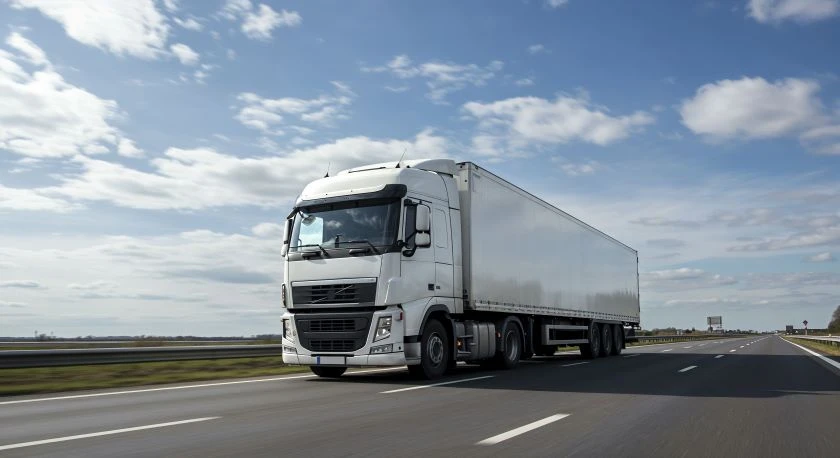
Logistik und Flotte: Langzeitverfolgung von Anhängern, Chassis, oder Behälter.
Konstruktion: Überwachung schwerer Geräte auf abgelegenen Baustellen.
Landwirtschaft: Verfolgen Sie die saisonalen Maschinen, die auf den Feldern zurückbleiben.
Maritim: Verfolgung von Schiffscontainern und Lastkähnen in internationalen Gewässern.
In jedem Fall, Solartracker verhindern Ausfallzeiten aufgrund leerer Batterien und verringern das Risiko von Vermögensverlusten.
Einkaufsführer: Worauf Sie achten sollten 2026
Ein guter solarbetriebener GPS-Tracker ist nicht nur ein GPS-Gerät mit Solarpanel. Es sollte zu Ihrem passen Vermögenswerttyp, Lichtverhältnisse, Netzabdeckung, und Berichtsanforderungen. Vor dem Kauf, Überprüfen Sie diese Schlüsselbereiche.
Solarpanel und Ladeeffizienz
Wählen Sie einen Tracker mit Solarpanel, der für den Außenbereich konzipiert ist. Monokristalline Module werden häufig bevorzugt, da sie auf kleinerer Fläche mehr Strom erzeugen können als polykristalline Module. Dies ist wichtig, wenn der Tracker kompakt bleiben muss.
Überprüfen Sie auch, wie sich das Gerät bei bewölktem Wetter verhält, Schatten, und Winterlicht. Solarladung soll die Batterie unterstützen, aber es sollte nicht als unbegrenzte Macht behandelt werden.
Batterie-Backup und Power-Modi
Schauen Sie über die Batteriegröße hinaus. Fragen Sie, wie lange der Tracker bei Ihrem geplanten Berichtsintervall laufen kann. Ein Gerät, das einmal am Tag meldet, kann viel länger halten als eines, das alle fünf Minuten meldet.
Zu den nützlichen Energiefunktionen gehört der Schlafmodus, bewegungsbasierte Berichterstattung, Warnungen bei niedrigem Batteriestand, und einstellbare Aktualisierungsintervalle. Diese Funktionen helfen dem Tracker, Energie zu sparen, wenn sich die Anlage nicht bewegt.
Positionierungsgenauigkeit und Indoor-Unterstützung
GPS funktioniert am besten im Freien mit klarer Sicht zum Himmel. Wenn sich Ihr Vermögen zwischen den Höfen bewegt, Lagerhäuser, und Transportwege, Suchen Sie nach einer hybriden Positionierung.
Ein Tracker, der GPS plus BLE unterstützt, W-lan, oder andere Ortungsmethoden in Innenräumen können tote Winkel reduzieren. Zum Beispiel, BLE-Scans können dabei helfen, Innenbereiche zu identifizieren, in denen GPS-Signale schwach oder nicht verfügbar sind.
Konnektivität und Abdeckung
Das beste Netzwerk hängt von Ihrem Einsatzgebiet ab. LoRaWAN kann für landwirtschaftliche Betriebe gut funktionieren, Ports, Campus, und Industriestandorte mit Gateway-Abdeckung. Mobilfunk eignet sich oft besser für Vermögenswerte, die über Städte oder Regionen hinweg bewegt werden. Für die Ozeane werden möglicherweise Satelliten benötigt, Minen, Wüsten, oder andere abgelegene Gebiete.
Wählen Sie die Konnektivität nicht nur nach Namen aus. Testen Sie die Signalqualität an den realen Standorten, an denen Ihre Anlagen betrieben werden.
Montage und Umweltdesign
Prüfen Sie, ob der Tracker magnetisch unterstützt, schrauben, Klebstoff, oder Halterungsmontage. Die richtige Wahl hängt vom Material der Vermögenswerte ab, Vibration, Diebstahlrisiko, und ob der Tracker für das Solarladen sichtbar sein muss.
Für Outdoor-Assets, Überprüfen Sie auch die Wasserbeständigkeit, Staubschutz, Betriebstemperatur, und Schlagfestigkeit. Ein Tracker, der im Labor gut funktioniert, kann bei Baumaschinen oder Schifffahrtsanlagen schnell ausfallen.
Software, Warnungen, und Integration
Die Plattform ist genauso wichtig wie das Gerät. Suchen Sie nach Geofencing, Bewegungswarnungen, Manipulationswarnungen, Batteriestatus, Standortgeschichte, und exportierbare Berichte.
Für größere Einsätze, API-Integration ist wichtig. Es ermöglicht die Verbindung von Tracking-Daten mit Flottensystemen, Lagersysteme, ERP-Tools, oder Kunden-Dashboards.
Gesamtbetriebskosten
Vergleichen Sie nicht nur den Gerätepreis. Netzwerkgebühren einbeziehen, Plattformgebühren, Installationszeit, Wartungsbesuche, Batteriewechselarbeiten, und das Risiko verlorener Vermögenswerte.
Ein solarbetriebener GPS-Tracker kann im Voraus mehr kosten, Es kann jedoch sinnvoll sein, wenn manuelle Überprüfungen reduziert werden und Remote-Assets länger sichtbar bleiben.
Abschluss
Solarbetriebene GPS-Tracker eignen sich am besten für Anlagen im Freien oder an schwer zugänglichen Orten. Ihre Batterielebensdauer hängt vom Sonnenlicht ab, Häufigkeit der Berichterstattung, und Bewegung, Daher sind die realen Bedingungen wichtiger als beworbene Zahlen. Richtige Installation, Netzabdeckung, und die Alarmeinrichtung tragen dazu bei, eine zuverlässige Nachverfolgung zu gewährleisten und den Wartungsaufwand zu reduzieren.
Für Teams, die die Sicht verlieren, wenn sich Vermögenswerte zwischen Außenstandorten und Innenbereichen bewegen, Der LoRaWAN GPS-Tracker von Minew mit BLE-Unterstützung bietet eine praktische Antwort. GPS hilft bei der Ortung von Vermögenswerten im Freien, während BLE die Positionierung auf Zonenebene in Innenräumen unterstützen kann, wo Satellitensignale schwach sind. Minew bietet außerdem verschiedene Tracker-Formfaktoren für unterschiedliche Anlagengrößen und Arbeitsabläufe, Helfen Sie Teams dabei, die Verwendung eines Gerätetyps für jedes Tracking-Problem zu vermeiden.
Entdecken Sie unser gesamtes Sortiment, um den richtigen Tracker für Ihren Betrieb zu finden. Möchten Sie tiefer in Asset-Tracking-Strategien und IoT-Lösungen eintauchen?? Schauen Sie sich diese verwandten Artikel an:
👉Ein umfassender Leitfaden für intelligente Tracking-Lösungen
👉Durchgängige Asset-Sichtbarkeit: Wie sich die multimodale Tracking-Technologie entwickelte
 Jetzt chatten