


Immagina di trovarti nel mezzo di un vivace terminal internazionale. L'aria è densa del rumore delle valigie che rotolano, annunci di voli lontani, e il ronzio basso di migliaia di conversazioni. Per molti, questo è l'inizio di un'avventura, ma per gli operatori aeroportuali, è un puzzle ad alto rischio di logica e tempistica.
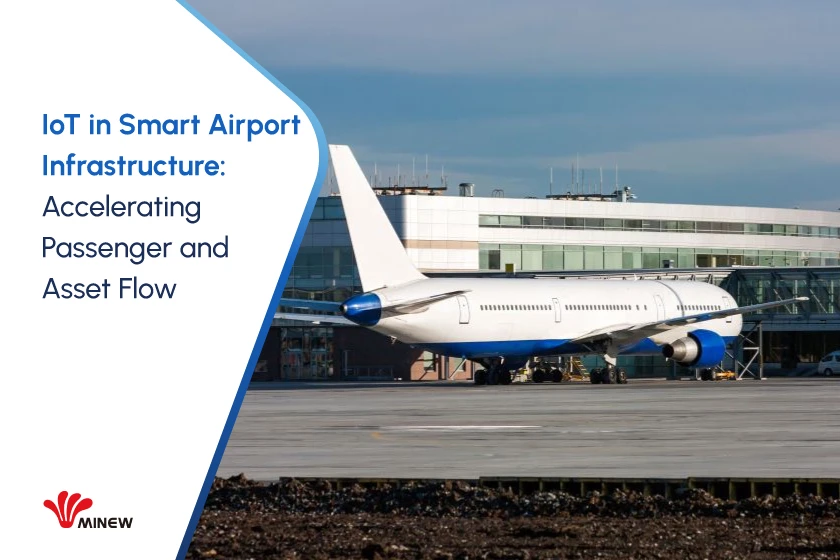
Mentre la domanda di viaggi globale aumenta verso il previsto 8.5 miliardi di viaggi 2024, la pressione sulle infrastrutture tradizionali ha raggiunto un punto di rottura. È qui che entra in gioco l’aeroporto intelligente. Lungi dall'essere solo una raccolta di gadget, un aeroporto intelligente è una vita, ecosistema respiratorio in cui ogni parte in movimento comunica in tempo reale per creare un viaggio senza soluzione di continuità. Integrando l'aeroporto globale IoT soluzioni, i terminali si stanno evolvendo da semplici punti di transito a “città intelligenti in miniatura” che può prevedere, adattare, e rispondere alle tue esigenze.
Migliorare l'esperienza dei passeggeri
Hai mai passato venti minuti a girare in un garage affollato?, solo per arrivare al tuo cancello proprio mentre le porte si chiudono? In un aeroporto intelligente, che lo stress sta diventando una reliquia del passato.
Monitoraggio dei tempi di attesa e gestione della folla
A nessuno piace stare in una coda stagnante. Utilizzando sensori sofisticati come LiDAR (che mappa gli spazi utilizzando impulsi luminosi), Sensori ToF, o sistemi di visione 3D, gli aeroporti possono ora monitorare la densità della folla senza mai acquisire i dati facciali o l’identità del passeggero. Questi sistemi agiscono come un sistema nervoso digitale, avvisare il personale nel momento in cui una linea di sicurezza inizia a gonfiarsi. In alcuni casi, aeroporti come Londra Heathrow hanno utilizzato queste informazioni per ridurre i tempi di attesa nelle ore di punta 20%.
Wayfinding intelligente e posizionamento indoor
Navigare in un enorme terminale può sembrare come camminare in un labirinto. Le soluzioni IoT aeroportuali spesso includono una rete di beacon BLE. Questi minuscoli dispositivi fungono da punti di riferimento digitali, consentendo al tuo smartphone di individuare la tua posizione in pochi centimetri. Sia che tu stia cercando il Gate B12 o il bar espresso più vicino, il tuo telefono può fornire indicazioni dettagliate che tengono conto anche di ascensori o rampe se trasporti bagagli pesanti.
Parcheggio intelligente
Il viaggio intelligente inizia prima ancora di entrare nell'edificio. Sensori IoT integrati nei parcheggi, lioke Rbrutto Rcarico SPotere Beacon, può rilevare l'occupazione del veicolo e inserire i dati direttamente nella segnaletica digitale o nelle app mobili. Ciò ti assicura di essere guidato immediatamente allo spazio disponibile più vicino, risparmiando tempo e riducendo la congestione del terminal.
Efficienza operativa: Attività & Personale
Dietro le quinte, un aeroporto intelligente è un’orchestrazione di migliaia di risorse e membri del personale.
Tracciamento delle risorse automatizzate
In qualsiasi momento, un aeroporto deve gestire migliaia di asset mobili: sedie a rotelle, rimorchiatori per bagagli, carrelli di manutenzione, e camion di carburante. Allegando asset tracker rinforzati, gli operatori guadagnano a “vista a volo d’uccello” di ogni pezzo di attrezzatura. Aeroporto internazionale di Hong Kong, ad esempio, ha ridotto il tasso di carrelli portabagagli smarriti del 40% semplicemente sapendo dove si trovavano in ogni momento.
Dare priorità alla sicurezza del personale
La sicurezza delle persone che mantengono in funzione l’aeroporto è fondamentale. Il personale di terra e gli addetti alla manutenzione spesso operano in ambienti ad alto rischio. Dispositivi indossabili basati sull'IoT dotato di emergenza “pulsanti antipanico” consentire ai lavoratori di richiedere assistenza immediata con una sola pressa. Questi dispositivi possono anche rilevare cadute o immobilità anomala, allertare automaticamente le squadre mediche se un lavoratore viene ferito in un'area remota dell'aerodromo.
Gestione intelligente dei bagagli: Finendo il “Bagagli smarriti” Epoca
Poche cose rovinano un viaggio più velocemente di una valigia smarrita. Si stima che la cattiva gestione dei bagagli costi ancora all’industria aeronautica $5 miliardi all'anno, ma la tecnologia sta colmando il divario.
I codici a barre tradizionali richiedono una linea visiva diretta per essere scansionati, Ma Bluetooth a basso consumo energetico tecnologia offre un approccio più dinamico. Mentre gli standard globali per i tag di identità BLE sono ancora in evoluzione, La IATA riconosce il Bluetooth come metodo chiave per la registrazione dei punti di tracciamento richiesti dalla Risoluzione 753. A differenza dell'RFID passivo, Tag BLE possono trasmettere attivamente la loro posizione. Ciò consente ai gateway ad alte prestazioni di elaborare migliaia di pacchetti di dati al secondo, fornendo la costante “battito del cuore” del viaggio di una borsa. Per te, il passeggero, questo si traduce in a “tipo rideshare” esperienza: potrai ricevere aggiornamenti in tempo reale direttamente sul tuo smartphone, sapere esattamente quando il tuo bagaglio ha raggiunto l'aereo o il nastro di arrivo.
Sicurezza & Manutenzione predittiva
Infrastrutture aeroportuali (come le scale mobili, Sistemi HVAC, e cinture per bagagli) opera 24/7. Quando questi sistemi falliscono, l'effetto a catena può paralizzare un terminale.
IoT per le infrastrutture
Invece di aspettare che una macchina si rompa, gli operatori aeroportuali intelligenti utilizzano sensori di vibrazione e temperatura per monitorare lo stato delle apparecchiature. Pensatelo come un medico che ascolta il battito cardiaco. Se il motore di un tappeto mobile inizia a vibrare in modo strano, il sistema prevede un guasto con settimane di anticipo, consentendo ai tecnici di ripararlo durante le ore non di punta. Questo approccio può ridurre la manutenzione non pianificata, ad esprese d'aria fino a 50%.
Risposta intelligente alle emergenze
Percepire una minaccia è solo metà della battaglia; rispondervi è ciò che salva vite umane. Quando un sensore IoT rileva una violazione della sicurezza o un pericolo ambientale, come una fuga di gas o un incendio, il sistema può attivare automaticamente un protocollo di emergenza localizzato. Per il personale di terra, dispositivi di sicurezza indossabili come il badge intelligente con pulsante SOS assicurano che l'aiuto sia sempre a portata di clic. In un'emergenza, il dispositivo trasmette la posizione precisa del lavoratore al centro di comando, riducendo i tempi di risposta da minuti a secondi.
Sbloccare nuovi flussi di entrate
Perché un aeroporto possa prosperare, deve essere un hub commerciale di successo. I dati IoT aiutano i rivenditori a comprendere il comportamento dei passeggeri come mai prima d'ora.
Analisi della vendita al dettaglio: Analizzando le mappe di calore di dove i passeggeri trascorrono il loro tempo, gli aeroporti possono ottimizzare la disposizione dei negozi duty-free per garantire che gli articoli più richiesti siano facili da trovare.
Marketing di prossimità: Immagina di passare davanti a una libreria e ricevere un 15% buono sconto sul tuo telefono per i bestseller di oggi. Questo marketing basato sulla posizione aiuta i brand a entrare in contatto con i viaggiatori quando la loro intenzione di acquisto è più alta.
I componenti principali
Costruire un aeroporto intelligente richiede che tre livelli essenziali lavorino in armonia:
Il livello del dispositivo: Questi sono i “occhi e orecchie” dell'aeroporto. Da Traccia BLEehm al sensore ToFS, l'hardware intelligente cattura i dati grezzi dal mondo fisico.
Connettività: Questo è il “sistema nervoso.”
BLE è perfetto per l'interazione a corto raggio con i telefoni dei passeggeri.
LoRaWAN è il “maratoneta,” invio di piccoli bit di dati per diversi chilometri con pochissima potenza, rendendolo ideale per il monitoraggio di piste o parcheggi distanti.
5G è il “velocista,” fornendo l'alta velocità, connessione a bassa latenza necessaria per veicoli autonomi o feed di sicurezza ad alta definizione.
Intelligenza dei dati: Questo è il “cervello” che trasforma i numeri grezzi in informazioni fruibili, come prevedere un aumento al banco del check-in trenta minuti prima che accada.
Conclusione
La transizione verso un aeroporto intelligente non è più un lusso: è una necessità per un settore che deve spostare più persone, più sicuro, che mai prima. Trasformando i dati in un viaggio dei passeggeri senza interruzioni e in un'operazione più efficiente, non stiamo solo costruendo terminali migliori; stiamo creando un modo migliore di vedere il mondo.
Che tu stia cercando di ottimizzare il flusso dei bagagli o di migliorare la sicurezza del personale, l'hardware giusto è la base del tuo successo. Contatto Miniere oggi per scoprire come le nostre soluzioni hardware personalizzate possono aiutarti a costruire l'aeroporto di domani.
 Chatta adesso