


Отчетность ESG зависит от данных, которые зачастую сложно собрать и еще труднее проверить.. Использование энергии может оказаться в счетах за коммунальные услуги. Данные о воде могут поступать со счетчиков, которые проверяются вручную.. Записи о безопасности могут храниться в отдельных системах объекта.. Информация о поставщике может поступать с опозданием или в других форматах..
Это создает общую проблему: ожидается, что компании будут с уверенностью отчитываться о показателях ESG., но многие команды до сих пор работают с задержкой, разбросанный, и вручную проверенные данные.
Интернет вещей помогает устранить этот пробел, собирая данные непосредственно с активов., сайты, и окружающая среда. Датчики могут отслеживать потребление энергии, обнаружить утечки воды, следить за качеством воздуха, проверить поведение оборудования, и поддерживать безопасность работников.
В этой статье объясняется, как Интернет вещей может сделать данные ESG более понятными., Быстрее, и более полезно для отчетности, согласие, и ежедневные операции.
Что ДОЭС ESG Мен и Втхи Дох это Мдело?
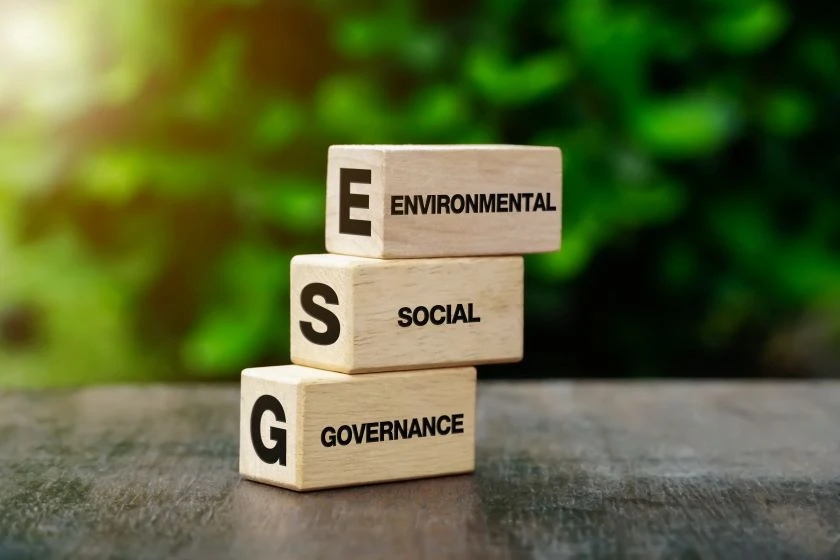
ESG означает окружающую среду, Социальная, и управление. Это способ измерить, как компания управляет своим воздействием., риски, и обязанности, выходящие за рамки краткосрочной прибыли.
Экологическое внимание сосредоточено на том, как компания влияет на планету.. Это включает в себя потребление энергии, выбросы углерода, потребление воды, управление отходами, и контроль загрязнения.
Социальные сети освещают то, как компания относится к людям.. Это включает в себя безопасность труда, здоровье, трудовые практики, влияние на сообщество, и ответственное управление цепочкой поставок.
Управление смотрит на то, как компания управляется и контролируется.. Оно включает в себя соблюдение, аудиты, управление рисками, надзор совета директоров, и надежные записи данных.
ESG имеет значение, поскольку требования к отчетности становятся все более строгими. В ЕС, Директива о корпоративной отчетности в области устойчивого развития требует, чтобы многие компании представляли отчетность в соответствии с формальными стандартами устойчивого развития.. Глобальные стандарты, такие как МСФО S1 и МСФО S2, также подталкивают компании к более последовательному раскрытию информации, связанной с устойчивым развитием и климатом.. В некоторых США. рынки, правила на уровне штата, такие как законы Калифорнии о раскрытии информации о климате, усиливают давление на отчетность.
Из-за этого, ESG больше не является только темой бренда или связей с общественностью.. Компаниям нужны надежные данные ESG для соблюдения правил, отвечать на вопросы инвесторов, управлять риском, и улучшить повседневную работу.
Почему Ттрадиционный ESG ротчетность Со ЧАСард?
Многие отчеты ESG по-прежнему зависят от ручной работы.. Команды часто собирают данные из счетов за коммунальные услуги, электронные таблицы, электронные письма, журналы сайта, формы поставщика, и различные внутренние системы. Исследования и отраслевые отчеты показывают, что многие компании до сих пор используют электронные таблицы для управления данными по ESG или углеродным выбросам., что может увеличить риск ошибок, задержки, и противоречивые результаты.
Это создает несколько распространенных проблем. Данные могут быть распределены по многим системам, поэтому команды тратят слишком много времени на его поиск и очистку. Обновления вручную могут привести к ошибкам. Данные часто поступают слишком поздно, чтобы руководители могли действовать до того, как потери или риск уже произошли.. На разных сайтах могут использоваться разные методы., что усложняет сравнение. Аудиторские доказательства также могут быть слабыми, если команды не могут показать, откуда взялись эти цифры., как это измерялось, и кто это проверял.
Как ДOES IoT яулучшить ESG ротчетность?
Системы Интернета вещей соединяют физические активы с цифровыми платформами. Базовая установка может включать в себя Интернет вещей датчики, шлюзы, возможность подключения, облачное программное обеспечение, Монитоны, оповещения, и ссылки на инструменты отчетности ESG.
Основное изменение простое. Вместо того, чтобы просить людей обновлять каждое число вручную, IoT-устройства собрать многие из этих чисел в источнике.
Например, счетчик энергии может отслеживать потребление электроэнергии по этажам, машина, или производственная линия. Датчик воды может обнаружить ненормальный поток. Датчик качества воздуха может измерять содержание твердых частиц или газов.. Втушное устройствос может предупредить работника о нагреве, шум, или воздействие газа становится небезопасным.
Это превращает отчетность ESG из медленного анализа в операционную картину в реальном времени..
Как ДOES IoT Споддержка экологических ESG гоалы?
Экологическая отчетность часто является самым простым местом для начала работы с Интернетом вещей, поскольку многие экологические показатели основаны на физических измерениях..
Интернет вещей для управления энергопотреблением
Энергетика — один из наиболее очевидных ESG-примеров использования Интернета вещей.. Интеллектуальные счетчики и датчики оборудования могут показывать, когда и где используется энергия..
Это помогает командам отвечать на практические вопросы.:
| Вопрос | Как Интернет вещей помогает |
|---|---|
| Какое здание потребляет больше всего энергии в нерабочее время? | Умные счетчики показывают модели использования, основанные на времени |
| Какое оборудование тратит электроэнергию? | Датчики сравнивают нормальное и ненормальное рабочее поведение |
| Работает ли система отопления, вентиляции и кондиционирования воздуха, когда места пустуют?? | Данные о занятости и HVAC могут быть сопоставлены |
| Сработал ли проект по энергосбережению? | Данные до и после можно сравнить. |
Во многих случаях, первая экономия достигается за счет простых исправлений. Команды могут обнаружить, что свет остался включенным, компрессоры пропускают воздух, или системы отопления и охлаждения борются друг с другом.
Мониторинг воды и обнаружение утечек
Данные о воде часто менее заметны, чем данные об энергетике.. На многих объектах в ежемесячном счете указывается только общее потребление воды.. Это затрудняет поиск утечек.
Втнеутомимый W.коляска-лесть сЭнсор может контролировать использование воды в режиме реального времени. Они могут сигнализировать об аномальном течении ночью., резкие перепады давления, или пики использования в определенной области.
Это важно для ESG, поскольку потери воды могут увеличить затраты., повредить активы, и причинить вред близлежащим сообществам. В промышленных условиях, мониторинг воды также может способствовать контролю загрязнения в сочетании с подходящими технологическими датчиками..
Мониторинг качества воздуха с помощью датчиков IoT
Датчики качества воздуха может отслеживать условия внутри зданий, вблизи рабочих зон, или по городам. В зависимости от настройки, они могут контролировать твердые частицы, оксиды азота, диоксид серы, углекислый газ, температура, или влажность.
Эти данные помогают командам действовать быстрее. Команда объекта может улучшить вентиляцию. Городская команда может обнаружить горячие точки загрязнения. Руководитель объекта может снизить воздействие на работников в опасных зонах..
Ключевым моментом является не просто сбор данных о воздухе. Ключ в том, чтобы использовать его, чтобы вызвать действие.
Как ДOES IoT ядоказать ристочник тывидишь и Ээффективность?
Хорошая работа по ESG – это не только отчетность. Речь также идет об использовании меньшего количества ресурсов для получения того же или лучшего результата..
Умные здания и энергоэффективность
Умные здания использовать датчики и системы контроля для отслеживания использования помещений. Общие данные включают занятость, температура, влажность, осветительные приборы, использование энергии, и производительность системы отопления, вентиляции и кондиционирования воздуха.
Это помогает строительным командам избежать потерь. Например, переговорная комната не нуждается в полном охлаждении, если внутри никого нет. На этаже с низкой посещаемостью может потребоваться другой график освещения.. Неисправный блок HVAC может потреблять дополнительную мощность, прежде чем сломается..
Данные умного здания могут поддержать ESG за счет сокращения потребления энергии, улучшение комфорта, и предоставление командам более четких доказательств для отчетов.
Точное земледелие для снижения воздействия на окружающую среду
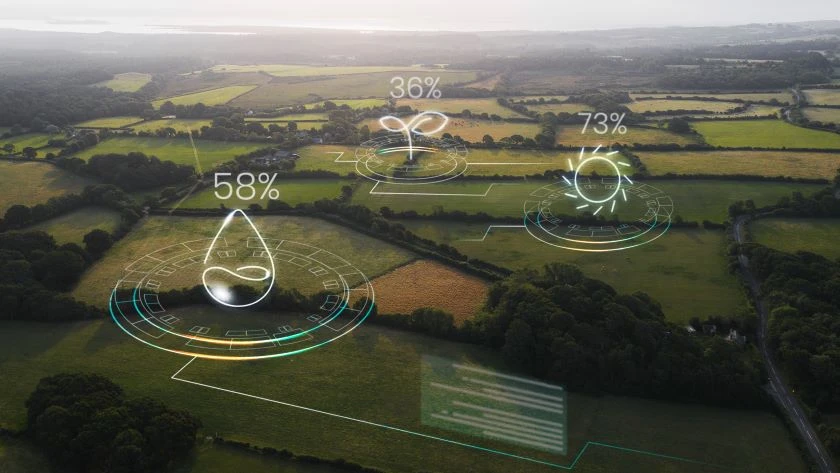
В сельском хозяйстве, Интернет вещей может помочь фермерам использовать воду, питательные вещества, и пестициды с большей осторожностью. Датчики почвы могут отслеживать влажность. Метеостанции могут управлять орошением. Дроны могут проверять состояние урожая. Автоматизированное орошение может подавать воду там, где это необходимо..
Это сокращает количество отходов и может снизить воздействие на окружающую среду.. Это также помогает фермам быстрее реагировать на засуху., болезнь, или изменение полевых условий.
Как ДOES IoT Споддержка социальных ESG гоалы?
Социальная часть ESG — это люди. Интернет вещей может способствовать повышению безопасности рабочих мест, более прозрачные цепочки поставок, и улучшение государственных услуг.
Мониторинг безопасности и здоровья работников
Рабочие на заводах, шахты, складские помещения, строительные площадки, и отдаленные места могут столкнуться с жарой, газ, шум, вибрация, или риски усталости.
Носимые устройства Интернета вещей и стационарные датчики могут помочь обнаружить эти риски раньше.. Например:
| Риск | Пример Интернета вещей |
|---|---|
| Тепловой стресс | Носимые устройства могут отслеживать сигналы, связанные с телом, и предупреждать руководителей |
| Воздействие газа | Датчики газа могут предупреждать рабочих до того, как воздействие станет опасным |
| Падение или отсутствие движения | Носимые устройства могут отправлять оповещения, когда работник может получить травму |
| Плохой воздух в помещении | Датчики воздуха могут управлять изменениями вентиляции |
Прозрачность и отслеживаемость цепочки поставок
Устойчивое управление цепочками поставок требует прозрачности. Компании должны знать, откуда пришли товары, как они двигались, и остались ли условия в пределах.
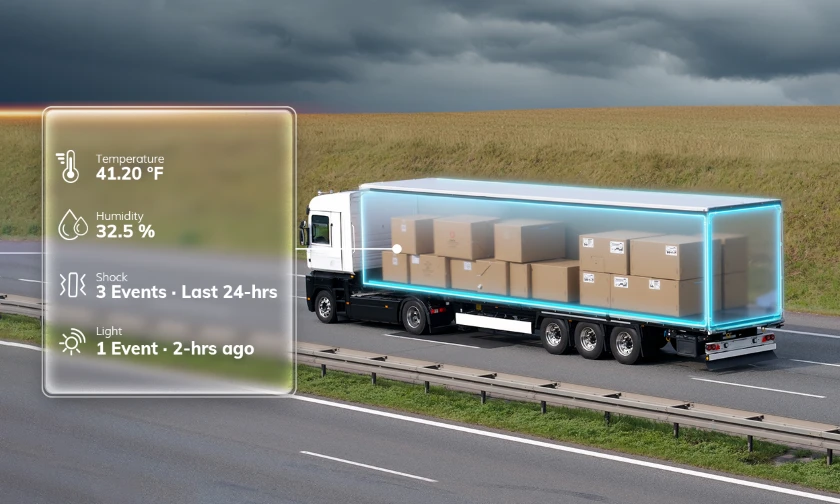
Интернет вещей может отслеживать местоположение, температура, влажность, шок, и обработка событий. Это полезно для еды, лекарство, электроника, химикаты, и другие деликатные товары.
Для ESG, это поддерживает отслеживаемость и подотчетность. Компания может идентифицировать отходы, уменьшить порчу, проверить условия перевозки, и быстрее реагировать, когда поставщик или маршрут создают риск
Общественные услуги и преимущества умного города
Города и государственные учреждения могут использовать Интернет вещей для улучшения повседневных услуг.. Датчики движения помогут уменьшить пробки. Умное освещение может повысить общественную безопасность. Датчики мусорных баков могут улучшить маршруты сбора мусора. Датчики наводнения могут раньше предупреждать население.
Эти варианты использования поддерживают социальные цели, поскольку улучшают качество жизни.. Они также помогают публичным командам использовать ограниченные бюджеты с более качественными данными..
Как ДOES IoT Сулучшение управления в сфере ESG?
Управление часто является наименее заметной частью ESG., но это критично. Компания может иметь серьезные экологические и социальные цели., но слабый контроль может подорвать доверие.
Интернет вещей может поддержать управление за счет улучшения качества данных, контрольные журналы, и мониторинг соблюдения.
Мониторинг соответствия и готовность к аудиту
Многие отрасли должны соблюдать правила по выбросам, безопасность работников, сброс воды, обработка холодовой цепи, или обслуживание оборудования.
Интернет вещей может отслеживать рабочие условия в соответствии с заданными пределами.. Когда показание выходит за пределы допустимого диапазона, система может отправить оповещение и записать событие.
Это помогает командам реагировать быстрее. Это также дает аудиторам более четкую запись о том, что произошло., когда это произошло, и как отреагировала компания.
Более эффективные решения ESG с данными в реальном времени
Руководители не могут эффективно управлять ESG, если видят только сводки общего характера.. Им нужны данные, которые связывают цели ESG с реальными операциями..
Интернет вещей может показать, какие объекты создают больше всего отходов, какие активы потребляют больше всего энергии, и какие риски безопасности возрастают. Это помогает лидерам решить, куда инвестировать в первую очередь..
Например, компания может узнать, что один старый чиллер создает больше энергетических отходов, чем несколько меньших активов вместе взятых. Вместо того, чтобы тонко распределять бюджет, компания может сначала решить самую большую проблему.
Что Сдолжен ли быть Интернет вещей Эвключен ESG Срастворение явключить?
Не существует единой системы ESG, подходящей для всех. Малый бизнес может начать с нескольких подключаемых датчиков и облачной информационной панели.. Глобальной компании может понадобиться крупная система, подключенная к инструментам корпоративной отчетности..
Используйте эту таблицу как практический контрольный список.:
| Слой | Что проверить | Почему это важно |
|---|---|---|
| Датчики | Измеряют ли они правильный показатель ESG?? | Плохие исходные данные приводят к плохим отчетам |
| Подключение | Могут ли данные надежно отправляться с сайта? | Удаленным объектам может потребоваться сотовая связь, Wi-Fi, Ethernet, или сети малой мощности |
| Управление устройствами | Могут ли команды обновить, монитор, и заменить устройства? | Системы ESG должны работать с течением времени |
| Платформа данных | Можно ли хранить в чистоте, записи с отметкой времени? | Аудитам нужны прослеживаемые доказательства |
| Оповещения | Может ли он предупреждать команды о превышении ограничений?? | Данные ESG должны стимулировать действия, не просто отчеты |
| Ссылка на отчетность по ESG | Могут ли данные передаваться в рабочие процессы отчетности?? | Командам следует избегать копирования чисел вручную. |
Лучшая конфигурация — та, в которой платформы IoT и ESG работают вместе.. Платформа Интернета вещей соединяет устройства и собирает необработанные данные. Платформа ESG систематизирует эти данные для анализа., отчетность, и раскрытие информации.
Какую бизнес-ценность Интернет вещей приносит ESG??
Работа ESG на основе Интернета вещей может создать ценность несколькими практическими способами..
Более быстрая и точная отчетность ESG
Интернет вещей сокращает ввод данных вручную. Это также дает командам более частые данные. Вместо того, чтобы ждать отчетов по итогам месяца, команды могут видеть, что происходит сейчас.
Это повышает уверенность в цифрах. Это также может сделать аудит более плавным, поскольку данные имеют временные метки., исходные записи, и более ясная история.
Экономия эксплуатационных расходов за счет данных Интернета вещей
Энергия, вода, напрасно тратить, и простои все стоят денег. Интернет вещей может помочь командам найти отходы, которые раньше были спрятаны.
Примеры включают в себя:
| Вопрос стоимости | Действия на основе Интернета вещей |
|---|---|
| Высокие счета за электроэнергию | Найдите используемое в нерабочее время или неэффективное оборудование |
| Потеря воды | Обнаруживайте утечки раньше |
| Время простоя активов | Используйте данные о состоянии для планирования технического обслуживания |
| Испорченный товар | Отслеживайте температуру и условия обращения |
| Небезопасные условия | Отправляйте оповещения до того, как число инцидентов возрастет |
Эта экономия не происходит автоматически.. Командам по-прежнему нужны хорошие процессы и четкие владельцы. Но Интернет вещей предоставляет им данные, необходимые для действий..
Репутация и доверие инвесторов
Инвесторы, клиенты, сотрудники, и регуляторы хотят, чтобы утверждения ESG, которым они могли доверять. Четкие данные помогают компаниям демонстрировать прогресс с помощью доказательств.
Когда данные ESG поступают от подключенных активов, команды могут объяснить, как измерялись числа. Это может уменьшить сомнения и сделать отчеты более достоверными..
Управление рисками и устойчивость бизнеса
ESG-риски часто начинаются с небольших операционных сигналов.. Утечка воды, тепловой риск, проблема с качеством воздуха, или задержка поставщика на первый взгляд может показаться незначительной. Если никто не увидит это раньше, это может стать дорогостоящим.
Интернет вещей помогает, делая слабые сигналы видимыми раньше, что повышает устойчивость, поскольку команды могут отреагировать до того, как небольшая проблема станет серьезным событием..
Как ДOES IoT Споддержать Цели ООН в области устойчивого развития?
Интернет вещей также может способствовать достижению более широких целей устойчивого развития.. Например, Мониторинг энергопотребления может способствовать более чистому использованию энергии. Датчики воды могут помочь улучшить управление водными ресурсами. Устройства безопасности работников могут способствовать более безопасной работе. Системы «умного города» могут поддерживать более качественные городские услуги.
Компаниям не нужно сопоставлять каждый датчик с каждой целью. Лучший подход — выбрать наиболее важные показатели ESG., затем четко и честно свяжите их с соответствующими целями устойчивого развития..
Как Сдолжен А Соскорблять Сначните с Интернета вещей для ESG?
Начните с малого и сосредоточьтесь на одной насущной проблеме.; не начинайте с огромного проекта информационной панели.
Первым практическим проектом может быть:
- Выберите один показатель ESG, который важен для бизнеса.
- Выберите один сайт, группа активов, или процесс.
- Установите датчики, которые измеряют показатели напрямую.
- Сравните новые данные с текущими отчетами..
- Установите оповещения об отходах, риск, или пределы соответствия.
- Свяжите данные с рабочим процессом отчетности ESG.
- Расширяйтесь только после того, как команда докажет свою ценность.
Хорошая отправная точка включает использование энергии, утечка воды, качество воздуха в помещении, отслеживание холодовой цепи, или предупреждения о безопасности работников.
Заключение: Что такое МЭйн Тсекрет для ESG ТИмс?
ESG-отчетность требует большего, чем просто благие намерения. Требуется четкое, своевременный, и достоверные данные.
Интернет вещей помогает, связывая цели ESG с реальными измерениями.. Он может отслеживать энергию, вода, качество воздуха, оборудование, безопасность работников, условия цепочки поставок, и мероприятия по соблюдению требований. Это ускоряет составление отчетов ESG., легче проверить, и более полезно для бизнес-решений.
Лучший следующий шаг прост. Выберите один показатель ESG, по которому ручная отчетность работает медленно., дорогостоящий, или трудно доверять. Измерьте это в источнике. Затем используйте эти данные для улучшения операций и отчетности..
 Теперь говорите