


Le reporting ESG dépend de données souvent difficiles à collecter et à vérifier. La consommation d’énergie peut figurer dans les factures de services publics. Les données sur l'eau peuvent provenir de compteurs vérifiés manuellement. Les dossiers de sécurité peuvent résider dans des systèmes de site distincts. Les informations sur les fournisseurs peuvent arriver en retard ou dans des formats différents.
Cela crée un problème commun: les entreprises devraient rendre compte de leurs performances ESG en toute confiance, mais de nombreuses équipes travaillent encore avec du retard, dispersé, et données vérifiées manuellement.
L'IoT contribue à combler cette lacune en collectant des données directement à partir des actifs, Sites, et les environnements. Les capteurs peuvent suivre la consommation d’énergie, détecter les fuites d'eau, surveiller la qualité de l'air, vérifier le comportement de l'équipement, et soutenir la sécurité des travailleurs.
Cet article explique comment l'IoT peut rendre les données ESG plus claires, plus rapide, et plus utile pour le reporting, conformité, et les opérations quotidiennes.
Quoi Does ESG M.ean et Wsalut Douais M.après?
ESG signifie Environnemental, Sociale, et gouvernance. C'est un moyen de mesurer la manière dont une entreprise gère son impact, risques, et responsabilités au-delà du profit à court terme.
L'environnement se concentre sur la façon dont une entreprise affecte la planète. Cela inclut la consommation d'énergie, émissions de carbone, consommation d'eau, la gestion des déchets, et lutte contre la pollution.
Social couvre la façon dont une entreprise traite les gens. Cela inclut la sécurité des travailleurs, santé, pratiques de travail, impact sur la communauté, et une gestion responsable de la chaîne d’approvisionnement.
La gouvernance examine la manière dont une entreprise est gérée et contrôlée. Cela inclut la conformité, vérifications, gestion des risques, surveillance du conseil d'administration, et des enregistrements de données fiables.
L’ESG est important car les attentes en matière de reporting sont de plus en plus strictes. Dans l'UE, la directive sur les rapports de développement durable des entreprises exige que de nombreuses entreprises fassent rapport selon des normes formelles de développement durable. Les normes mondiales telles que IFRS S1 et IFRS S2 poussent également les entreprises à divulguer des informations liées au développement durable et au climat de manière plus cohérente.. Dans certains États-Unis. marchés, les règles au niveau des États, telles que les lois californiennes sur la divulgation des informations sur le climat, ajoutent davantage de pression en matière de reporting.
À cause de ça, L’ESG n’est plus seulement un sujet de marque ou de relations publiques. Les entreprises ont besoin de données ESG fiables pour respecter les règles, répondre aux questions des investisseurs, gérer les risques, et améliorer les opérations quotidiennes.
Pourquoi TESG traditionnel R.déclaration So Hard?
De nombreux rapports ESG dépendent encore du travail manuel. Les équipes collectent souvent des données sur les factures de services publics, feuilles de calcul, e-mails, journaux de sites, formulaires de fournisseur, et différents systèmes internes. Les rapports de recherche et du secteur montrent que de nombreuses entreprises utilisent encore des feuilles de calcul pour la gestion des données ESG ou carbone., ce qui peut augmenter le risque d'erreurs, retards, et des résultats incohérents.
Cela crée plusieurs problèmes courants. Les données peuvent être réparties sur de nombreux systèmes, donc les équipes passent trop de temps à le trouver et à le nettoyer. Les mises à jour manuelles peuvent introduire des erreurs. Les données arrivent souvent trop tard pour que les dirigeants puissent agir avant que le gaspillage ou le risque ne se soient déjà produits.. Différents sites peuvent utiliser différentes méthodes, ce qui rend la comparaison plus difficile. Les éléments probants peuvent également être faibles si les équipes ne peuvent pas montrer d'où vient le chiffre., comment cela a été mesuré, et qui l'a vérifié.
Comment Does IoT jeaméliorer l'ESG R.déclaration?
Les systèmes IoT connectent les actifs physiques aux plateformes numériques. Une configuration de base peut inclure IdO capteurs, passerelles, connectivité, logiciel cloud, tableaux de bord, alertes, et des liens vers des outils de reporting ESG.
Le principal changement est simple. Au lieu de demander aux gens de mettre à jour chaque numéro à la main, Appareils IoT collecter bon nombre de ces chiffres à la source.
Par exemple, un compteur d'énergie peut suivre la consommation d'électricité par étage, machine, ou ligne de production. Un capteur d'eau peut détecter un débit anormal. Un capteur de qualité de l'air peut mesurer des particules ou des gaz. Wappareil auriculaires peut avertir un travailleur en cas de chaleur, bruit, ou l'exposition au gaz devient dangereuse.
Cela transforme le reporting ESG d'un lent retour en arrière en une vue opérationnelle en direct.
Comment Does IoT Ssoutenir l’ESG Environnemental goals?
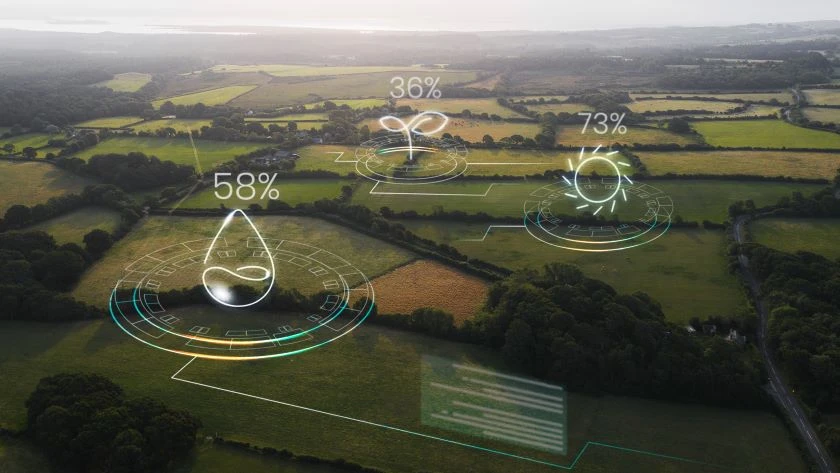
Les rapports environnementaux constituent souvent le point de départ le plus simple avec l'IoT, car de nombreuses mesures environnementales proviennent de mesures physiques..
IoT pour la gestion de l'énergie
L’énergie est l’un des cas d’utilisation ESG les plus clairs pour l’IoT. Les compteurs intelligents et les capteurs d'équipement peuvent indiquer quand et où l'énergie est utilisée.
Cela aide les équipes à répondre à des questions pratiques:
| Question | Comment l'IoT aide |
|---|---|
| Quel bâtiment consomme le plus d'énergie en dehors des heures d'ouverture? | Les compteurs intelligents affichent des modèles d'utilisation basés sur le temps |
| Quel équipement gaspille de l'énergie? | Les capteurs comparent le comportement de fonctionnement normal et anormal |
| Le CVC fonctionne-t-il lorsque les espaces sont vides ?? | Les données d'occupation et de CVC peuvent être mises en correspondance |
| Un projet d'économie d'énergie a-t-il fonctionné? | Les données avant et après peuvent être comparées |
Dans de nombreux cas, les premières économies proviennent de solutions simples. Les équipes peuvent trouver des lumières laissées allumées, les compresseurs fuient de l'air, ou des systèmes de chauffage et de refroidissement qui s'affrontent.
Surveillance de l'eau et détection des fuites
Les données sur l'eau sont souvent moins visibles que les données sur l'énergie. De nombreux sites ne voient que la consommation totale d'eau sur une facture mensuelle. Cela rend les fuites difficiles à trouver.
Wsans méfiance wmanger-lEak sENSOR peut surveiller la consommation d'eau en temps réel. Ils peuvent signaler un débit anormal la nuit, chutes de pression soudaines, ou des pics d'utilisation dans une zone spécifique.
C’est important pour l’ESG car le gaspillage de l’eau peut augmenter les coûts, dommages aux actifs, et nuire aux communautés voisines. En milieu industriel, la surveillance de l'eau peut également contribuer au contrôle de la pollution lorsqu'elle est associée aux bons capteurs de processus.

Surveillance de la qualité de l'air avec des capteurs IoT
Capteurs de qualité de l'air peut suivre les conditions à l'intérieur des bâtiments, à proximité des zones de travaux, ou dans les zones urbaines. Selon la configuration, ils peuvent surveiller les particules, oxydes d'azote, dioxyde de soufre, dioxyde de carbone, température, ou de l'humidité.
Ces données aident les équipes à agir plus rapidement. Une équipe d’établissement peut améliorer la ventilation. Une équipe municipale peut repérer les points chauds de pollution. Un chef de chantier peut réduire l’exposition des travailleurs dans les zones à risque.
La clé n’est pas seulement la collecte de données aériennes. La clé est de l'utiliser pour déclencher une action.
Comment Does IoT jeaméliorer R.ressource Usoi et Eefficacité?
Un bon travail ESG n’est pas seulement une question de reporting. Il s’agit également d’utiliser moins de ressources pour obtenir un résultat identique ou meilleur..
Bâtiments intelligents et efficacité énergétique
Bâtiments intelligents utiliser des capteurs et des systèmes de contrôle pour suivre la façon dont les espaces sont utilisés. Les points de données courants incluent l'occupation, température, humidité, éclairage, consommation d'énergie, et performances CVC.
Cela aide à constituer des équipes à éviter le gaspillage. Par exemple, une salle de réunion n’a pas besoin d’être complètement refroidie si personne n’est à l’intérieur. Un étage peu occupé peut nécessiter un programme d'éclairage différent. Une unité CVC défaillante peut consommer de l'énergie supplémentaire avant de tomber en panne..
Les données des bâtiments intelligents peuvent soutenir l’ESG en réduisant la consommation d’énergie, améliorer le confort, et donner aux équipes des preuves plus claires pour les rapports.
Agriculture de précision pour un impact environnemental moindre
En agriculture, L'IoT peut aider les agriculteurs à utiliser l'eau, nutriments, et les pesticides avec plus de soin. Les capteurs de sol peuvent suivre l’humidité. Les stations météorologiques peuvent guider l’irrigation. Les drones peuvent inspecter la santé des cultures. L'irrigation automatisée peut appliquer de l'eau là où elle est nécessaire.
Cela réduit les déchets et peut réduire l’impact environnemental. Cela aide également les exploitations agricoles à réagir plus rapidement à la sécheresse, maladie, ou des conditions de terrain changeantes.
Comment Does IoT Ssoutenir l’ESG Social goals?
Le volet social de l’ESG concerne les personnes. L'IoT peut contribuer à des lieux de travail plus sûrs, des chaînes d'approvisionnement plus transparentes, et de meilleurs services publics.
Surveillance de la sécurité et de la santé des travailleurs
Ouvriers dans les usines, mines, entrepôts, sites de construction, et les endroits éloignés peuvent être confrontés à la chaleur, gaz, bruit, vibration, ou risques de fatigue.
Les appareils portables IoT et les capteurs fixes peuvent aider à détecter ces risques plus tôt. Par exemple:
| Risque | Exemple d'IoT |
|---|---|
| Stress thermique | Les appareils portables peuvent surveiller les signaux liés au corps et alerter les superviseurs |
| Exposition aux gaz | Les capteurs de gaz peuvent avertir les travailleurs avant que l'exposition ne devienne dangereuse |
| Chutes ou aucun mouvement | Les appareils portables peuvent envoyer des alertes lorsqu'un travailleur pourrait être blessé |
| Mauvais air intérieur | Les capteurs d'air peuvent guider les changements de ventilation |
Transparence et traçabilité de la chaîne d'approvisionnement
La gestion durable de la chaîne d’approvisionnement a besoin de visibilité. Les entreprises doivent savoir d'où viennent les marchandises, comment ils ont bougé, et si les conditions sont restées dans les limites.
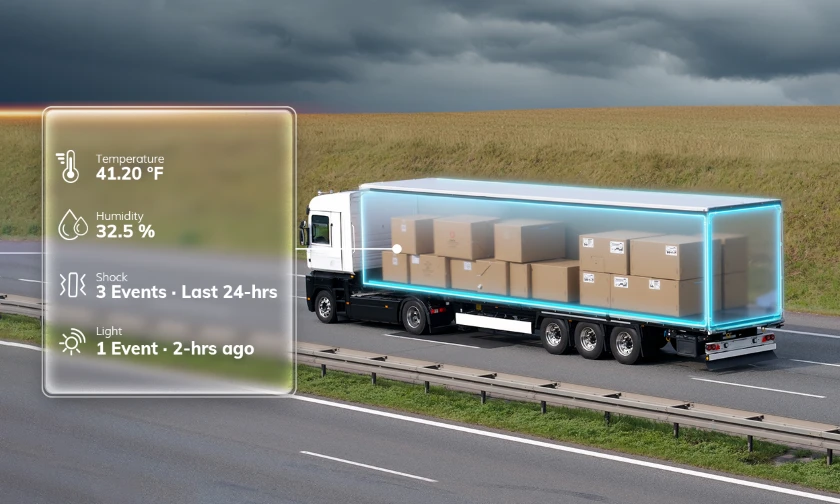
L'IoT peut suivre la localisation, température, humidité, choc, et gestion des événements. C'est utile pour la nourriture, médecine, électronique, produits chimiques, et autres biens sensibles.
Pour l'ESG, cela soutient la traçabilité et la responsabilité. Une entreprise peut identifier les déchets, réduire la détérioration, vérifier les conditions de transport, et réagissez plus rapidement lorsqu'un fournisseur ou un itinéraire crée un risque
Services communautaires et avantages de la ville intelligente
Les villes et les organismes publics peuvent utiliser l'IoT pour améliorer les services quotidiens. Les capteurs de trafic peuvent aider à réduire les embouteillages. L'éclairage intelligent peut améliorer la sécurité publique. Les capteurs de poubelles peuvent améliorer les itinéraires de collecte. Les capteurs d'inondation peuvent avertir les communautés plus tôt.
Ces cas d'utilisation soutiennent les objectifs sociaux car ils améliorent la qualité de vie. Ils aident également les équipes publiques à utiliser des budgets limités avec de meilleures données.
Comment Does IoT Srenforcer la gouvernance en ESG?
La gouvernance est souvent la partie la moins visible de l’ESG, mais c'est critique. Une entreprise peut avoir des objectifs environnementaux et sociaux forts, mais des contrôles faibles peuvent nuire à la confiance.
L'IoT peut soutenir la gouvernance en améliorant la qualité des données, pistes d'audit, et contrôle de la conformité.
Surveillance de la conformité et préparation aux audits
De nombreuses industries doivent suivre des règles en matière d'émissions, sécurité des travailleurs, rejet d'eau, manipulation de la chaîne du froid, ou entretien du matériel.
L'IoT peut surveiller les conditions de fonctionnement par rapport à des limites définies. Lorsqu'une lecture sort de la plage autorisée, le système peut envoyer une alerte et enregistrer l'événement.
Cela aide les équipes à réagir plus rapidement. Cela donne également aux auditeurs un enregistrement plus clair de ce qui s'est passé, quand c'est arrivé, et comment l'entreprise a réagi.
De meilleures décisions ESG avec des données en temps réel
Les dirigeants ne peuvent pas bien gérer l’ESG s’ils ne voient que des résumés de haut niveau. Ils ont besoin de données qui relient les objectifs ESG aux opérations réelles.
L'IoT peut montrer quels sites génèrent le plus de déchets, quels actifs consomment le plus d’énergie, et quels risques pour la sécurité augmentent. Cela aide les dirigeants à décider où investir en premier.
Par exemple, une entreprise peut découvrir qu'un vieux refroidisseur génère plus de gaspillage d'énergie que plusieurs actifs plus petits réunis. Au lieu de disperser le budget, l'entreprise peut résoudre le plus gros problème en premier.
Quoi Sest-ce qu'un IoT EESG activé Solution jeinclure?
Il n’existe pas de système ESG unique. Une petite entreprise peut démarrer avec quelques capteurs enfichables et un tableau de bord cloud. Une entreprise mondiale peut avoir besoin d'un grand système connecté aux outils de reporting d'entreprise.
Utilisez ce tableau comme liste de contrôle pratique:
| Couche | Que vérifier | Pourquoi c'est important |
|---|---|---|
| Capteurs | Mesurent-ils la bonne mesure ESG? | De mauvaises données sources conduisent à de mauvais rapports |
| Connectivité | Les données peuvent-elles être envoyées de manière fiable depuis le site? | Les actifs distants peuvent avoir besoin d'un réseau cellulaire, Wifi, Ethernet, ou réseaux de faible puissance |
| Gestion des appareils | Les équipes peuvent-elles mettre à jour, moniteur, et remplacer les appareils? | Les systèmes ESG doivent fonctionner dans la durée |
| Plateforme de données | Peut-il être stocké propre, enregistrements horodatés? | Les audits ont besoin de preuves traçables |
| Alertes | Peut-il avertir les équipes lorsque les limites sont franchies? | Les données ESG doivent inciter à l’action, pas seulement des rapports |
| Lien de reporting ESG | Les données peuvent-elles circuler dans les workflows de reporting? | Les équipes doivent éviter de copier les numéros à la main |
La meilleure configuration est celle où les plateformes IoT et ESG travaillent ensemble. La plateforme IoT connecte les appareils et collecte des données brutes. La plateforme ESG organise ces données à des fins d'analyse, rapport, et la divulgation.
Quelle valeur commerciale l’IoT apporte-t-il à l’ESG?
Le travail ESG basé sur l’IoT peut créer de la valeur de plusieurs manières pratiques.
Reporting ESG plus rapide et plus précis
L'IoT réduit la saisie manuelle des données. Cela donne également aux équipes des données plus fréquentes. Au lieu d'attendre les rapports de fin de mois, les équipes peuvent voir ce qui se passe maintenant.
Cela améliore la confiance dans les chiffres. Cela peut également rendre les audits plus fluides car les données sont horodatées., enregistrements sources, et une histoire plus claire.
Économies sur les coûts d'exploitation grâce aux données IoT
Énergie, eau, déchets, et les temps d'arrêt coûtent tous de l'argent. L'IoT peut aider les équipes à retrouver les déchets qui étaient auparavant cachés.
Les exemples incluent:
| Problème de coût | Action basée sur l'IoT |
|---|---|
| Des factures d'énergie élevées | Trouver une utilisation en dehors des heures d'ouverture ou un équipement inefficace |
| Perte d'eau | Détecter les fuites plus tôt |
| Temps d'arrêt des actifs | Utiliser les données de condition pour planifier la maintenance |
| Marchandises avariées | Suivre la température et les conditions de manipulation |
| Conditions dangereuses | Envoyez des alertes avant que les incidents ne se multiplient |
Ces économies ne sont pas automatiques. Les équipes ont encore besoin de bons processus et de propriétaires clairs. Mais l'IoT leur donne les données nécessaires pour agir.
Réputation et confiance des investisseurs
Investisseurs, clients, employés, et les régulateurs veulent des affirmations ESG auxquelles ils peuvent faire confiance. Des données claires aident les entreprises à montrer leurs progrès avec des preuves.
Quand les données ESG proviennent d’actifs connectés, les équipes peuvent expliquer comment les chiffres ont été mesurés. Cela peut réduire le doute et rendre les rapports plus crédibles.
Gestion des risques et résilience des entreprises
Les risques ESG commencent souvent par de petits signaux opérationnels. Une fuite d'eau, risque de chaleur, problème de qualité de l'air, ou le retard du fournisseur peut sembler mineur au premier abord. Si personne ne le voit tôt, ça peut devenir coûteux.
L'IoT aide en rendant les signaux faibles visibles plus tôt, ce qui améliore la résilience car les équipes peuvent réagir avant qu'un petit problème ne devienne un événement majeur.
Comment Does IoT Ssoutenir les objectifs de développement durable des Nations Unies?
L’IoT peut également soutenir des objectifs de développement durable plus larges. Par exemple, la surveillance de l'énergie peut favoriser une utilisation plus propre de l'énergie. Les capteurs d’eau peuvent prendre en charge une meilleure gestion de l’eau. Les dispositifs de sécurité des travailleurs peuvent contribuer à un travail plus sûr. Les systèmes de villes intelligentes peuvent prendre en charge de meilleurs services urbains.
Les entreprises n'ont pas besoin de cartographier chaque capteur pour chaque objectif. Une meilleure approche consiste à choisir les indicateurs ESG les plus importants, puis reliez-les aux objectifs de développement durable pertinents de manière claire et honnête.
Comment Sdevrait UN Cinsulte Sse lancer dans l’IoT pour l’ESG?
Commencez petit et concentrez-vous sur un problème urgent; ne commencez pas par un énorme projet de tableau de bord.
Un premier projet pratique pourrait être:
- Choisissez une mesure ESG importante pour l'entreprise.
- Choisissez un site, groupe d'actifs, ou processus.
- Installer des capteurs qui mesurent directement la métrique.
- Comparez les nouvelles données avec les rapports actuels.
- Définir des alertes pour les déchets, risque, ou limites de conformité.
- Liez les données au workflow de reporting ESG.
- Ne vous développez qu'une fois que l'équipe a prouvé sa valeur.
Un bon point de départ inclut la consommation d’énergie, fuites d'eau, qualité de l'air intérieur, suivi de la chaîne du froid, ou alertes de sécurité des travailleurs.
Conclusion: Quel est le M.ain Tpoints à retenir pour l’ESG Teams?
Le reporting ESG nécessite bien plus que de bonnes intentions. Il faut que ce soit clair, opportun, et des données fiables.
L'IoT aide en connectant les objectifs ESG aux mesures du monde réel. Il peut suivre l'énergie, eau, qualité de l'air, équipement, sécurité des travailleurs, conditions de la chaîne d'approvisionnement, et événements de conformité. Cela accélère le reporting ESG, plus facile à vérifier, et plus utile pour les décisions commerciales.
La meilleure prochaine étape est simple. Choisissez une mesure ESG pour laquelle les rapports manuels sont lents, cher, ou difficile de faire confiance. Mesurez-le à la source. Utilisez ensuite ces données pour améliorer à la fois les opérations et les rapports..
 Discuter maintenant