


Garantir a integridade do produto na gestão moderna da cadeia de frio não é mais apenas um requisito logístico; é uma necessidade global. Desde vacinas que salvam vidas e produtos farmacêuticos sensíveis até produtos frescos e frutos do mar, bens sensíveis à temperatura devem permanecer dentro de especificações rigorosas em todas as fases: em armazenamento, durante o carregamento, em trânsito, e na entrega final. Uma única entrega atrasada ou uma porta do armazém deixada aberta por apenas alguns minutos pode comprometer um lote inteiro, levando a enormes perdas financeiras e riscos para a saúde pública.
A partir de 2026, o mercado global da cadeia de frio tornou-se um $400 indústria de bilhões. Ainda, o crescimento financeiro não foi totalmente resolveu o “desperdício” epidemia. Aproximadamente 14% dos alimentos ainda são perdidos antes mesmo de chegarem à prateleira, e um impressionante 50% das vacinas são desperdiçadas anualmente devido ao resfriamento inadequado. Estes números destacam uma lacuna crítica: à medida que o mercado aumenta, a necessidade de ser mais inteligente, um gerenciamento de temperatura mais confiável nunca foi tão urgente.
O que é gerenciamento da cadeia de frio?
A gestão da cadeia de frio é o processo estratégico de gestão e otimização do fluxo de temperatura- e produtos sensíveis à umidade. Embora muitas vezes confundido com o simples monitoramento de temperatura, a gestão da cadeia de frio é uma disciplina abrangente que vai além “mantendo as coisas frias.”
Para resolver as limitações da coleta de dados básicos, a gestão se concentra em garantir que os produtos permaneçam dentro dos limites validados em todos os elos da cadeia. Qualquer desvio deve ser detectado, manipulado, e documentado para conformidade.
Este processo abrange armazenamento controlado, visibilidade da localização, e os registros de conformidade exigidos para o GDP (Boas Práticas de Distribuição) e HACCP (Análise de Perigos e Pontos Críticos de Controle) auditorias.

Riscos Primários na Logística da Cadeia de Frio
- Excursões de temperatura: Eventos fora da faixa que degradam a eficácia do produto.
- Deterioração & Desperdício: Perdas financeiras decorrentes de alimentos não comercializáveis ou medicamentos vencidos.
- O “Zona de perigo”: Para comida, a faixa entre 4°C e 60°C onde as bactérias florescem. Para farmacêuticos, mesmo um pequeno desvio do padrão 2°C a 8 °C gama pode tornar os produtos biológicos ineficazes.
- Lacunas de conformidade: Falha em fornecer um contínuo, 24/7 trilha de auditoria para inspetores regulatórios.
Por que a IoT é crítica para a logística moderna da cadeia de frio?
O gerenciamento tradicional da cadeia de frio geralmente depende do registro manual de dados, que cria “pontos cegos” durante o trânsito. Para resolver o problema da visibilidade atrasada, A tecnologia IoT apresenta automatizado, sistemas sem fio que monitoram ambientes continuamente.
- Mitigação de riscos: Os sistemas IoT identificam variações de temperatura no momento em que ocorrem. Isso permite ação corretiva imediata antes que ocorra perda de produto, economizando milhares de resíduos em potencial.
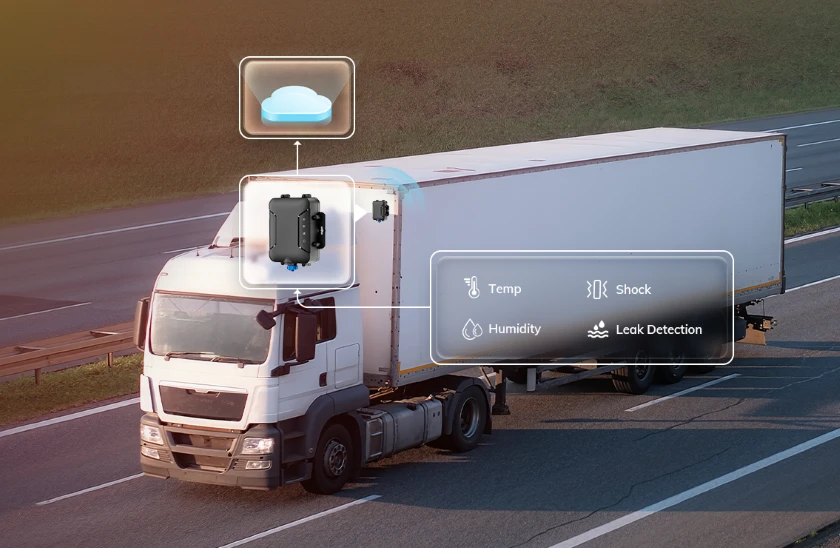
- Superando Barreiras Tradicionais: Ao contrário dos registradores passivos que exigem recuperação física para baixar dados, Sensores IoT transmitir dados para um gateway posicionado localmente dentro da unidade refrigerada, que então retransmite as informações para a nuvem via épeceufeuc
Como funciona um sistema IoT de cadeia fria de ponta a ponta
Uma solução robusta de cadeia de frio funciona através de uma arquitetura de três camadas projetada para integridade de dados e conectividade persistente.
1.Camada de coleta de dados
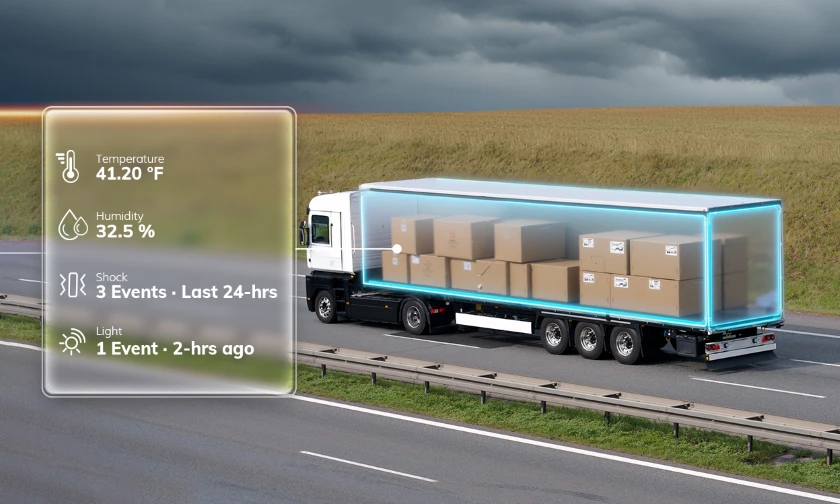
O processo começa com Sensores de temperatura e umidade BLE. Esses dispositivos são colocados dentro de contêineres ou paletes. Eles utilizam protocolos de baixo consumo de energia para transmitir dados ambientais em intervalos definidos sem esgotar a vida útil da bateria.
2.Camada de Transmissão
Gateways IoT agir como ponte. Esses dispositivos procuram sinais BLE e transmitem os dados coletados para a nuvem via Wi-Fi, LTE (Celular), ou Ethernet. Isto garante que, mesmo que um veículo esteja em movimento, os dados chegam ao painel de gerenciamento.
3.Visualização de dados e alertas acionáveis
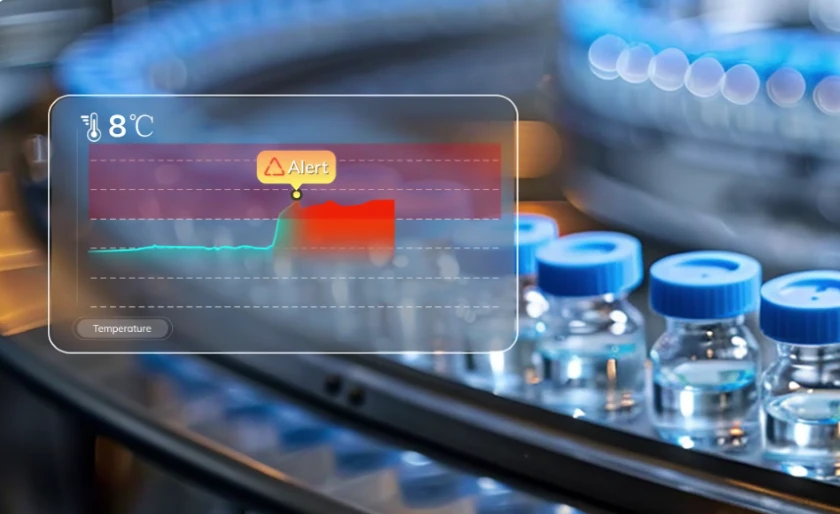
A camada final envolve integração de API. Os dados brutos são convertidos em insights acionáveis, acionando alertas por SMS ou e-mail se as temperaturas se desviarem da faixa de segurança predefinida.
Comparação de tecnologia: Tradicional versus. Monitoramento de IoT em tempo real
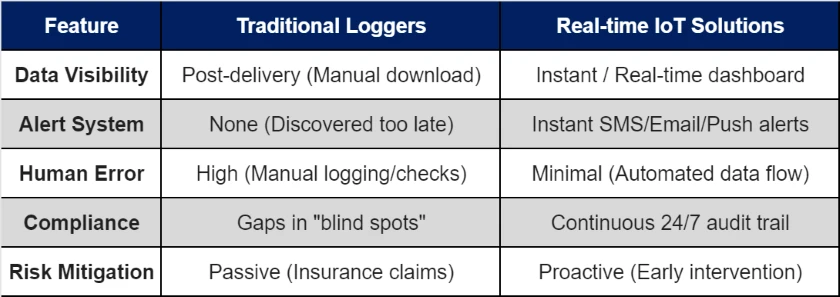
Estudo de caso: Mitigação de riscos durante uma remessa farmacêutica transfronteiriça
Para entender o impacto prático da IoT, considere o desafio logístico de transportar biológicos (como insulina ou vacinas especializadas) de um centro de produção na Europa a um centro de distribuição na América do Norte. Este cenário envolve múltiplas transferências entre cargas aéreas, alfândega, e transporte rodoviário local.
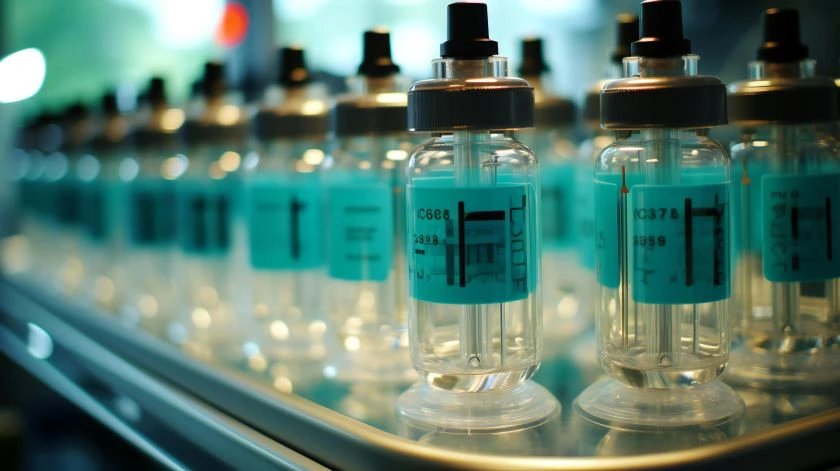
O Desafio: O “Caixa Preta” de Trânsito
Sem IoT, o fabricante só conhece o estado da carga no início e no final da viagem. Se uma unidade de refrigeração falhar durante um atraso alfandegário de 6 horas, o dano é apenas descobertodias depois, levando à perda total da remessa e potenciais riscos à segurança do paciente. Além da perda de temperatura, a remessa também é vulnerável a roubo ou acesso não autorizado.
A solução IoT: O “Ao vivo” Fluxo de trabalho logístico
1. Fase de Preparação: Sensores BLE robustos são fixados em paletes individuais e ativados no envio. Esta etapa inicial estabelece uma identidade digital exclusiva para cada unidade de remessa, permitindo rastreamento granular em toda a cadeia de suprimentos.
2. Fase de Trânsito: Durante o movimento, sensores transmitem temperatura em tempo real, umidade, e dados de luz em intervalos predefinidos para um gateway IoT móvel localizado no caminhão ou no porão de carga. Este fluxo contínuo de dados garante que a visibilidade ambiental permaneça ininterrupta, evitando lacunas de dados durante o trânsito.
3. Fase Fronteiriça e Aduaneira: Se ocorrerem atrasos logísticos e as temperaturas excederem o limite, o gateway aciona um alerta instantâneo por SMS para o gerente sobre variações de temperatura ou aberturas não autorizadas de contêineres detectadas por sensores de luz. Esta notificação imediata permite uma intervenção rápida, como realocar o palete para armazenamento refrigerado, antes que ocorra a degradação do produto.
4. Fase de entrega: Na chegada, o sistema gera automaticamente um relatório abrangente de conformidade em PDF via API. Ao digitalizar o processo de verificação, esta fase elimina a necessidade de inspeções manuais e acelera significativamente o “Lançamento para o mercado” linha do tempo.
Sucesso no mundo real de sensores IoT em instalações médicas de Hong Kong
Além do trânsito, a visibilidade em tempo real é igualmente vital para infraestruturas estáticas de saúde. Para eliminar pontos cegos operacionais em ambientes médicos complexos, Minas implantou uma rede de sensores LoRaWAN em grande escala em Instalações médicas de Hong Kong. LoRaWAN foi escolhido especificamente por sua penetração superior de longo alcance e capacidade de transmitir dados através de grossas paredes de concreto e infraestrutura densa típica de campi hospitalares.
Ao integrar portas especializadas, PIR, ambiente, e sensores de qualidade do ar, o sistema fornece visibilidade em tempo real da ocupação dos quartos e da estabilidade climática.
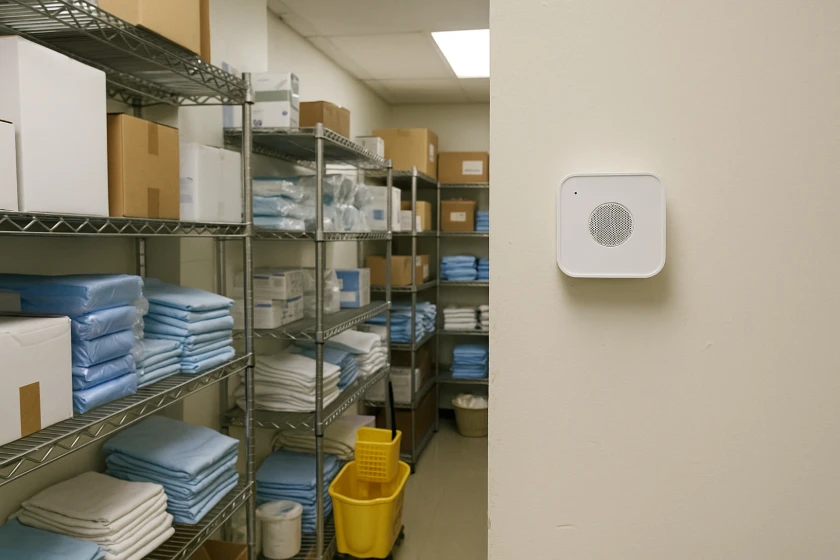
Esta infraestrutura unificada automatiza a conformidade, fortalece a segurança, e agiliza o gerenciamento de instalações por meio de consumo de energia ultrabaixo, conectividade de longo alcance. Substituindo processos manuais por dados em tempo real, o sistema já alcançou ganhos mensuráveis em eficiência operacional e segurança ambiental em todos os locais de saúde ativos.
Ecossistema de hardware abrangente para sucesso escalável da cadeia de frio
Para resolver as complexidades de diversos ambientes logísticos, Minew fornece um ecossistema robusto de BLE, LoRaWAN, e sensores celulares emparelhados com gateways multiprotocolo. Nossos kits de hardware especializados oferecem recursos de implantação imediata, enquanto nossos serviços OEM/ODM flexíveis garantem projetos personalizados para necessidades industriais específicas. Apoiado por suporte técnico especializado, ajudamos os integradores a minimizar o tempo de inatividade e a maximizar o ROI por meio de integração perfeita de hardware para nuvem e recursos duráveis, dispositivos IoT de longa duração. Entre em contato com nossa equipe para serviços e suporte a qualquer momento.
Perguntas frequentes: Conhecimento essencial da cadeia fria de IoT
Qual é a melhor tecnologia IoT para rastreamento da cadeia de frio?
Depende do caso de uso. BLE (emparelhado com gateways LTE-M) é o padrão ouro para rastreamento em trânsito devido à sua economia e granularidade em nível de palete. No entanto, para instalações estáticas como hospitais ou grandes armazéns, LoRaWAN é a escolha superior por sua penetração profunda em edifícios e cobertura de longo alcance.
Como a IoT garante a conformidade com o PIB e o HACCP?
Os sistemas IoT satisfazem as Boas Práticas de Distribuição (PIB) e Análise de Perigos e Pontos Críticos de Controle (APPCC) fornecendo registros digitais inalteráveis. Relatórios automatizados substituem registros em papel propensos a erros por registros de data e hora, dados criptografados.
Os sensores IoT podem funcionar em ambientes congelados??
Sim. Sensores IoT de nível industrial são classificados especificamente para temperaturas tão baixas quanto -30°C ou até mais baixo. Esses dispositivos usam baterias de lítio especializadas e baterias robustas, gabinetes resistentes à umidade para evitar falhas de hardware em frio extremo.
Como os sensores IoT lidam com interferência de sinal em recipientes metálicos?
Para resolver a atenuação de sinal em ambientes metálicos densos, gateways industriais utilizam antenas de alto ganho e posicionamento estratégico. Adicionalmente, Os sensores BLE usam salto de frequência para manter conexões estáveis, enquanto os sensores’ a memória interna armazena os dados localmente para garantir que nenhuma informação seja perdida se ocorrer uma desconexão temporária durante o trânsito.
 Conversar Agora