


Achat Appareils IoT implique plus que comparer les prix, durée de vie de la batterie, portée sans fil, et délai de livraison. Le produit doit également être adapté au pays, réseau, et l'environnement physique où il fonctionnera.
Pour les acheteurs en logistique, fabrication, bâtiments intelligents, vente au détail, énergie, et d'autres industries, La certification des appareils IoT fournit une base utile pour la sélection des produits. Il montre comment un appareil a été évalué par rapport aux réglementations pertinentes., connectivité, sécurité, environnemental, ou des exigences en matière de cybersécurité.
Les acheteurs n'ont pas besoin d'examiner tous les programmes de certification du marché de l'IoT.. L'objectif pratique est d'identifier les certifications importantes pour le déploiement prévu et de travailler avec le fabricant pour confirmer la bonne configuration du produit..
Pourquoi la certification des appareils IoT est importante pour les acheteurs
La certification aide les acheteurs à répondre à trois questions essentielles: L'appareil peut-il être utilisé sur le marché cible? Fonctionnera-t-il avec le réseau et l'équipement choisis? Est-il adapté à la sécurité, environnemental, et conditions de sécurité du site?
L'examen de ces questions lors de la sélection des produits réduit l'incertitude liée à l'approvisionnement., ingénierie, intégrateurs, et les opérateurs. Il est particulièrement précieux pour les multinationales, personnalisé, cellulaire, ou projets industriels.
Introduction des certifications des appareils IoT
Certifications d'accès au marché
Les appareils IoT sans fil nécessitent normalement une approbation réglementaire sur chaque marché où ils seront vendus ou exploités..
Certification FCC pour les États-Unis
La plupart des produits sans fil commercialisés aux États-Unis doivent répondre aux exigences de la Federal Communications Commission.. Cela inclut généralement les appareils utilisant Bluetooth, Wifi, LoRa, cellulaire, UWB, et radios similaires.
Un identifiant FCC permet d'identifier l'équipement autorisé. Les acheteurs doivent confirmer le modèle du produit, fréquences de fonctionnement, conditions d'antenne, et si l'autorisation s'applique à l'appareil fini ou à un module embarqué. Pour un produit personnalisé, antenne, enceinte, pouvoir, et les modifications multi-radio doivent être examinées avec le fabricant.
Marquage CE et RED pour l'Europe
Les appareils sans fil mis sur le marché de l'Espace économique européen relèvent généralement de la directive sur les équipements radio.. RED aborde la santé et la sécurité, compatibilité électromagnétique, utilisation efficace du spectre, et cybersécurité applicable, confidentialité, et fonctions de protection contre la fraude.
Le marquage CE indique que le fabricant a évalué le produit par rapport aux exigences applicables de l'UE.. Les acheteurs peuvent consulter la déclaration de conformité UE avec la fiche technique et les instructions pour confirmer le modèle, législation pertinente, normes, et l'application prévue.
Approbations pour d'autres marchés
Les homologations FCC et CE sont spécifiques à leurs marchés respectifs. D'autres pays peuvent appliquer leurs propres exigences en matière de radio et de produits.
Les exemples incluent:
• Certification ISDE au Canada
• Homologation de type SRRC en Chine
• Exigences KC/RRA en Corée du Sud
• Certification en droit de la radio au Japon
Les attributions de fréquences et les limites de puissance d'émission peuvent varier selon les régions. Ceci est particulièrement pertinent pour les produits sub-GHz et les appareils cellulaires qui utilisent des bandes de fréquences régionales..
Pour les projets multinationaux, les acheteurs doivent fournir au fabricant une liste de pays cibles au début du processus d'achat. Le fabricant peut alors recommander la version régionale appropriée et les homologations disponibles.
Qualifications en technologie sans fil
L'approbation de l'accès au marché porte sur l'utilisation légale et réglementaire des équipements radio.. La qualification de la technologie sans fil se concentre sur la conformité de l'appareil à une norme de connectivité spécifique..
Les acheteurs doivent uniquement considérer la qualification pertinente à la technologie utilisée dans leur projet..
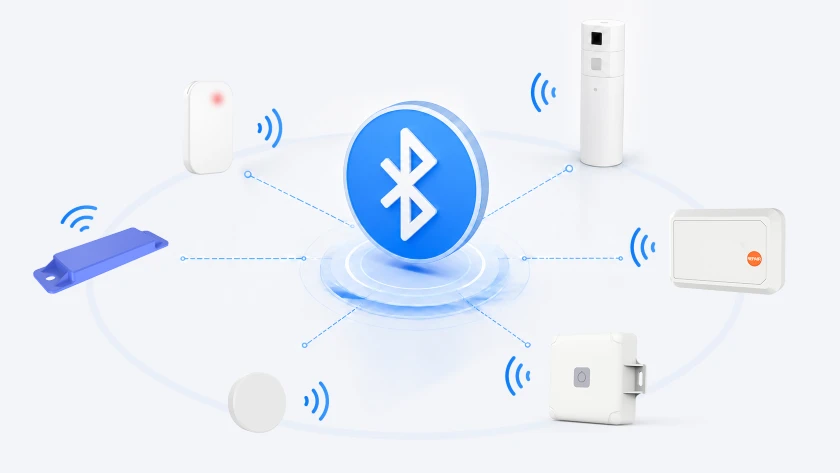
Qualification Bluetooth
Le processus de qualification Bluetooth permet de confirmer que les produits utilisant la technologie Bluetooth sont conformes aux spécifications Bluetooth et aux exigences du programme pertinentes..
Cette qualification est particulièrement pertinente pour:
• Balises Bluetooth
• Étiquettes personnelles
• Suivi des actifs
• Capteurs environnementaux
• Passerelles Bluetooth
• Dispositifs de proximité et de positionnement
Pour les acheteurs, un produit qualifié constitue une base utile pour l'intégration avec les smartphones, passerelles, points d'accès, et autres appareils Bluetooth.
La conception qualifiée, version Bluetooth prise en charge, profils, et les fonctionnalités optionnelles doivent correspondre aux exigences du projet. Par exemple, un projet de positionnement peut nécessiter une radiogoniométrie Bluetooth, alors qu'une application de balise de base peut nécessiter uniquement des fonctions publicitaires standard.
Certification LoRaWAN
La certification LoRaWAN est pertinente pour les appareils finaux qui fonctionneront sur un réseau LoRaWAN. Il vérifie la conformité aux spécifications LoRaWAN définies et prend en charge l'interopérabilité dans l'ensemble de l'écosystème LoRaWAN..
Les acheteurs devraient considérer:
• Plan de chaînes régionales
• Version de la spécification LoRaWAN
• Classe d'appareil prise en charge
• Méthode d'activation
• Version du micrologiciel
• Fonctionnalités LoRaWAN requises
La certification fournit une base technique, alors que les performances sur le terrain dépendent toujours du déploiement.
Placement de la passerelle, matériaux de construction, terrain, orientation de l'antenne, densité des appareils, ingérence, et les paramètres réseau peuvent tous affecter la qualité de la communication. Une installation pilote est donc précieuse pour les entrepôts, des usines, fermes, campus, et projets de villes intelligentes.
Certification Wi-Fi
La certification Wi-Fi est utile lorsque les appareils IoT doivent se connecter à des réseaux d'entreprise ou à des points d'accès de différents fabricants. Il prend en charge la mise en œuvre cohérente des fonctions d'interopérabilité et de sécurité Wi-Fi définies..
La certification doit être considérée en même temps que l’environnement réseau de l’acheteur. Les déploiements en entreprise peuvent impliquer des exigences spécifiques pour:
• Compatibilité des points d'accès
• Authentification
• Chiffrement
• Segmentation du réseau
• Règles de pare-feu
• Intégration des appareils
• Gestion du réseau
Un test pilote sur le réseau prévu aide l'acheteur et le fabricant à confirmer ces paramètres avant un déploiement à plus grande échelle..
Certifications cellulaires et d'opérateur
Les projets IoT cellulaires nécessitent une coordination étroite entre l'appareil, opérateur mobile, Fournisseur de carte SIM, forfait de données, et pays cibles.
Un tracker cellulaire, capteur, ou la passerelle peut impliquer:
• Homologation radio nationale
• Certification PTCRB ou GCF
• Tests ou acceptation spécifiques à l'opérateur
La certification PTCRB est largement utilisée pour les produits destinés aux réseaux mobiles nord-américains participants. La certification GCF est également utilisée sur de nombreux marchés cellulaires internationaux. Ces programmes prennent en charge la mise en œuvre cohérente des normes cellulaires et des fonctions réseau.
Les modules cellulaires certifiés peuvent donner aux fabricants d'IoT une base technique établie. En fonction de la conception du produit et de l'opérateur, le dispositif fini peut également suivre des étapes de test ou d'approbation supplémentaires.
Ce que les acheteurs d'IoT cellulaire devraient confirmer
Avant d'acheter un produit cellulaire, les acheteurs devraient discuter:
• LTE pris en charge, LTE-M, NB-IoT, ou bandes 5G
• Pays cibles et opérateurs mobiles
• Disponibilité du réseau régional
• Prise en charge des cartes SIM et eSIM
• Exigences d'itinérance
• Mode d'économie d'énergie et prise en charge eDRX
• Capacité de mise à jour du micrologiciel par liaison radio
• Utilisation prévue des données
• Conditions de couverture intérieure et extérieure
• Statut de certification du module et du produit fini
Pour les projets internationaux, la meilleure option matérielle n'est pas toujours le produit avec le plus grand nombre de bandes prises en charge. La question la plus importante est de savoir si l'appareil, opérateur, Service SIM, et la région de déploiement fonctionnent ensemble comme un seul système.
Sécurité et conformité environnementale
Les exigences en matière de sécurité et d'environnement dépendent de l'appareil, sa source d'énergie, et ses conditions de fonctionnement prévues.
Sécurité électrique et batterie
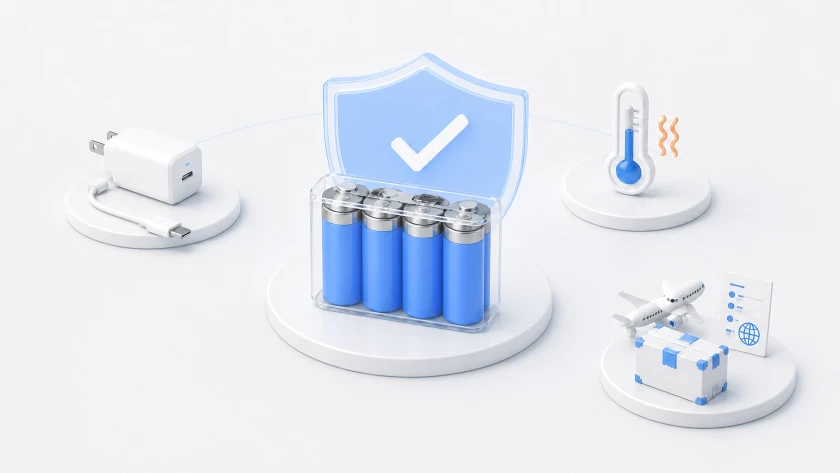
Il n'existe pas de certificat de sécurité unique pour chaque produit IoT. Les exigences pertinentes dépendent de l'appareil, source d'alimentation, et l'utilisation prévue. Les acheteurs devraient envisager le feu, surchauffe, choc électrique, chargement, dommages mécaniques, exposition extérieure, température de fonctionnement, et accessoires électriques.
Les appareils alimentés par batterie peuvent également nécessiter des documents de transport, surtout lorsque les batteries au lithium sont expédiées par avion. Les preuves disponibles doivent refléter le produit sélectionné, batterie, chargeur, et configuration de l'alimentation.
RoHS, ATTEINDRE, et DEEE
Pour les projets européens, RoHS restreint les substances dangereuses dans les équipements électriques et électroniques, tandis que REACH aborde les risques chimiques et la communication au sein de la chaîne d'approvisionnement. La documentation pertinente peut couvrir l'électronique, enceinte, batterie, câbles, revêtements, et accessoires.
Les DEEE concernent la collecte et le recyclage des déchets électroniques. Les responsabilités peuvent dépendre du fait que le fabricant, importateur, distributeur, ou le propriétaire de la marque met le produit sur le marché.
Certification ATEX pour les industries dangereuses
ATEX est important lorsque l'appareil IoT sera installé dans une atmosphère potentiellement explosive dans l'Union européenne.
Cela peut s'appliquer aux déploiements dans:
• Installations pétrolières et gazières
• Usines pétrochimiques
• Production chimique
• Exploitation minière
• Opérations de peinture et de solvants
• Stockage des céréales
• Transformation de la farine et du sucre
• Production pharmaceutique
• Autres environnements contenant des poussières combustibles
Comment faire correspondre les zones ATEX et les catégories d'équipements
Commencez par la classification du site, puis choisissez un équipement avec la catégorie ATEX correspondante.
| Atmosphère dangereuse | Zone | À quelle fréquence il peut être présent | Catégorie obligatoire |
| Gaz, vapeur, ou de la brume | Zone 0 | En continu, fréquemment, ou pendant de longues périodes | 1g |
| Gaz, vapeur, ou de la brume | Zone 1 | Occasionnellement pendant le fonctionnement normal | 2g |
| Gaz, vapeur, ou de la brume | Zone 2 | Peu probable en fonctionnement normal, ou présenter seulement brièvement | 3g |
| Poussière combustible | Zone 20 | En continu, fréquemment, ou pendant de longues périodes | 1D |
| Poussière combustible | Zone 21 | Occasionnellement pendant le fonctionnement normal | 2D |
| Poussière combustible | Zone 22 | Peu probable en fonctionnement normal, ou présenter seulement brièvement | 3D |
Après avoir fait correspondre la zone et la catégorie, confirmer le groupe de gaz ou de poussière, température nominale, plage ambiante, méthode de protection, conditions particulières, et batterie homologuée, enceinte, antenne, et accessoires. ATEX ne remplace pas les approbations pour emplacements dangereux requises aux États-Unis ou au Canada.
Exigences de cybersécurité pour les appareils connectés
La cybersécurité devient un élément important de la sélection des produits IoT, en particulier lorsque les appareils collectent ou transmettent:
• Emplacements des actifs
• Emplacements des employés ou des visiteurs
• Occupation du bâtiment
• Accéder aux événements
• Informations sur la fabrication
• Dossiers environnementaux
• Identifiants de réseau
Dans l'UE, les exigences de cybersécurité activées dans le cadre de la directive sur les équipements radio s'appliquent à des catégories spécifiques d'équipements radio depuis août 1, 2025. Selon l'appareil, ces dispositions concernent la protection du réseau, données personnelles et confidentialité, et protection contre la fraude.
La loi européenne sur la cyber-résilience introduit des exigences plus larges en matière de cycle de vie pour les produits comportant des éléments numériques. Ses obligations déclaratives s'appliquent à partir de septembre 11, 2026, alors que ses principales obligations s'appliquent à partir de décembre 11, 2027.
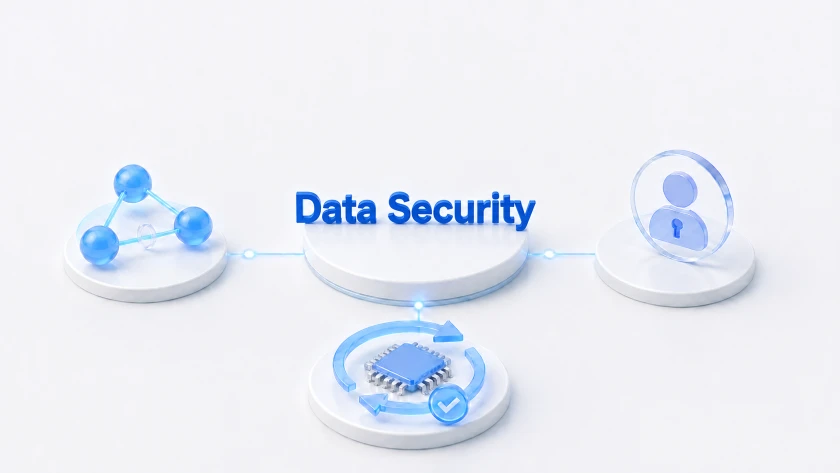
Aligner les exigences de sécurité avec le fournisseur
Les exigences en matière de cybersécurité doivent refléter le rôle de l’appareil, la sensibilité de ses données, et l’architecture réseau de l’acheteur.
Les sujets utiles à discuter avec le fournisseur comprennent:
• Protection contre la mise à jour du micrologiciel
• Identifiants de l'appareil
• Authentification et contrôle d'accès
• Protection des données
• Configuration des interfaces et des services
• Rapports de vulnérabilité
• Processus de mise à jour de sécurité
• Période d'assistance produit
• Gestion des appareils au niveau de la flotte
• Récupération après une mise à jour interrompue
Ces discussions aident les deux parties à définir le juste équilibre entre sécurité, durée de vie de la batterie, convivialité, effort d'intégration, et le coût du projet.
Priorités de certification par secteur
Les certifications les plus pertinentes dépendent de l'endroit et de la manière dont l'appareil sera déployé.
| Industrie ou application | Principales certifications et preuves à prendre en compte |
| Logistique et entreposage | Autorisation d'accès au marché, Qualification Bluetooth ou LoRaWAN, approbation cellulaire le cas échéant, sécurité de la batterie, et la sécurité des données |
| Fabrication | Conformité radio et CEM, qualification sans fil, sécurité électrique, tests environnementaux, et cybersécurité |
| Bâtiments intelligents | Autorisation d'accès au marché, Qualification Bluetooth ou Wi-Fi, sécurité électrique, cybersécurité, et tests d'intégration |
| Vente au détail | Homologation radio, Qualification Bluetooth ou Wi-Fi, sécurité de la batterie, conformité environnementale, et contrôles de confidentialité |
| Surveillance de la chaîne du froid | Homologation radio, qualification sans fil, preuve d'étalonnage, gamme environnementale, performances de la batterie, et l'intégrité des données |
| Suivi des actifs cellulaires | Autorisation d'accès au marché, PTCRB ou GCF, compatibilité des opérateurs, vérification d'itinérance, preuve de batterie, et sécurisé FOTA |
| Huile, gaz, chimique, exploitation minière, et installations contenant des poussières combustibles | Autorisation d'accès au marché, ATEX ou approbation locale pour emplacements dangereux applicable, évaluations environnementales, et cybersécurité |
Ce tableau est un point de départ. Les exigences finales dépendent du pays, utilisation prévue, méthode d'installation, et évaluation des risques du site.
Comment examiner la certification auprès d'un fabricant IoT
Commencez par la configuration exacte du produit: modèle, révision du matériel, radio, antenne, batterie, micrologiciel, paramètres régionaux, et accessoires. Précisez ensuite si chaque approbation s'applique à l'appareil fini, un module, un protocole, ou un composant spécifique.
Là où disponible, bases de données officielles telles que les enregistrements d'équipement FCC, Produits qualifiés Bluetooth SIG, l'outil de recherche de produits Wi-Fi Alliance, Listes de l'Alliance LoRa, et les enregistrements PTCRB peuvent compléter la documentation du fabricant.
Discutez de la personnalisation dès le début. Antenne, PCB, enceinte, batterie, micrologiciel radio, puissance de transmission, module cellulaire, marque, ou les changements d'utilisation prévue peuvent affecter le chemin de certification. Les premiers examens préservent la conception, essai, documentation, coût, et planification de la production alignées.
Une liste de contrôle d'approvisionnement IoT ciblée
Avant d'approuver un appareil IoT, les acheteurs doivent confirmer que:
• Le produit est adapté à chaque pays cible.
• Il dispose du Bluetooth approprié, Wifi, ou qualification LoRaWAN.
• La connectivité cellulaire correspond aux réseaux et opérateurs sélectionnés.
• La documentation de sécurité reflète le produit et la configuration de l'alimentation..
• La documentation environnementale soutient le marché cible.
• L'approbation pour zone dangereuse correspond à la classification du site si nécessaire.
• Les fonctions de cybersécurité s'alignent sur l'application.
• Les documents produits correspondent à la configuration sélectionnée.
• L'appareil a été évalué sur le réseau prévu et dans des conditions de fonctionnement représentatives.
• La personnalisation et les futures modifications du produit sont incluses dans le plan de certification..
Comment Minew aide les acheteurs à passer de la sélection au déploiement
Pour les acheteurs de l'industrie, le but n'est pas de collecter des certificats. Il s'agit de sélectionner un appareil IoT qui correspond à l'application, réussit l'examen interne, et peut passer du stade pilote à un déploiement plus large sans retard inutile.
Mines propose des balises, étiquettes du personnel, trackers d'actifs, capteurs, et passerelles utilisant Bluetooth, LoRaWAN, cellulaire, Wifi, UWB, GNSS, et connectivité par satellite. Cette gamme aide les acheteurs à comparer les options appropriées pour la visibilité intérieure, surveillance de l'environnement, sécurité du personnel, et les actifs se déplaçant au-delà d'une installation.
En partageant les pays cibles, connectivité, état des lieux, besoins de personnalisation, et échelle attendue, les acheteurs peuvent travailler avec Minew pour identifier un produit standard approprié ou une voie de développement. OEM, ODM, et le support JDM peut ensuite connecter la sélection de produits, échantillonnage, personnalisation, documentation, et livraison en volume.
Choisissez le bon parcours de certification pour votre déploiement
L'appareil IoT le mieux certifié n'est pas celui avec la liste d'approbation la plus longue. C'est celui dont les certifications correspondent au marché, réseau, environnement, et l'application prévue.
Commencez par l'endroit où l'appareil fonctionnera, comment il va communiquer, quelles conditions de sécurité s'appliquent, et quelles données il doit protéger. Une discussion précoce avec le fabricant transforme ces réponses en un parcours de certification ciblé et permet d'éviter des retards évitables lors du déploiement..
 Discuter maintenant