


Comprando Dispositivos IoT envolvem mais do que comparar preços, duração da bateria, alcance sem fio, e prazo de entrega. O produto também deve ser adequado ao país, rede, e ambiente físico onde irá operar.
Para compradores em logística, fabricação, edifícios inteligentes, varejo, energia, e outras indústrias, A certificação de dispositivos IoT fornece uma base útil para a seleção de produtos. Mostra como um dispositivo foi avaliado em relação aos regulamentos relevantes, conectividade, segurança, ambiental, ou requisitos de segurança cibernética.
Os compradores não precisam examinar todos os programas de certificação no mercado de IoT. O objetivo prático é identificar as certificações importantes para a implantação pretendida e trabalhar com o fabricante para confirmar a configuração correta do produto.
Por que a certificação de dispositivos IoT é importante para os compradores
A certificação ajuda os compradores a responder três questões essenciais: O dispositivo pode ser usado no mercado-alvo? Funcionará com a rede e equipamento escolhido? É adequado para a segurança, ambiental, e condições de segurança do site?
A revisão dessas questões durante a seleção do produto reduz a incerteza na aquisição, engenharia, integradores, e operadores. É especialmente valioso para multinacionais, personalizado, celular, ou projetos industriais.
Introdução de certificações de dispositivos IoT
Certificações de acesso ao mercado
Os dispositivos IoT sem fio normalmente precisam de aprovação regulatória em cada mercado onde serão vendidos ou operados.
Certificação FCC para os Estados Unidos
A maioria dos produtos sem fio comercializados nos Estados Unidos devem atender aos requisitos da Comissão Federal de Comunicações. Isso geralmente inclui dispositivos que usam Bluetooth, Wi-fi, LoRa, celular, UWB, e rádios semelhantes.
Um ID FCC ajuda a identificar equipamentos autorizados. Os compradores devem confirmar o modelo do produto, frequências operacionais, condições da antena, e se a autorização se aplica ao dispositivo acabado ou a um módulo incorporado. Para um produto personalizado, antena, recinto, poder, e alterações multi-rádio devem ser revisadas com o fabricante.
Marcação CE e RED para Europa
Os dispositivos sem fios colocados no mercado do Espaço Económico Europeu são geralmente abrangidos pela Diretiva de Equipamentos de Rádio. RED aborda saúde e segurança, compatibilidade eletromagnética, uso eficiente do espectro, e segurança cibernética aplicável, privacidade, e funções de proteção contra fraude.
A marcação CE indica que o fabricante avaliou o produto em relação aos requisitos aplicáveis da UE. Os compradores podem revisar a Declaração de Conformidade da UE com a folha de dados e instruções para confirmar o modelo, legislação relevante, padrões, e aplicação pretendida.
Aprovações para outros mercados
As aprovações FCC e CE são específicas para seus respectivos mercados. Outros países podem aplicar seus próprios requisitos de rádio e produtos.
Exemplos incluem:
• Certificação ISED no Canadá
• Aprovação de tipo SRRC na China
• Requisitos KC/RRA na Coreia do Sul
• Certificação Radio Law no Japão
As alocações de frequência e os limites de potência de transmissão podem variar entre regiões. Isto é especialmente relevante para produtos sub-GHz e dispositivos celulares que utilizam bandas de frequência regionais.
Para projetos multinacionais, os compradores devem fornecer ao fabricante uma lista de países-alvo no início do processo de compra. O fabricante pode então recomendar a versão regional apropriada e as aprovações disponíveis.
Qualificações em tecnologia sem fio
A aprovação de acesso ao mercado aborda o uso legal e regulatório de equipamentos de rádio. A qualificação da tecnologia sem fio se concentra em saber se o dispositivo segue um padrão de conectividade específico.
Os compradores só precisam considerar a qualificação relevante para a tecnologia utilizada em seu projeto.
Qualificação Bluetooth
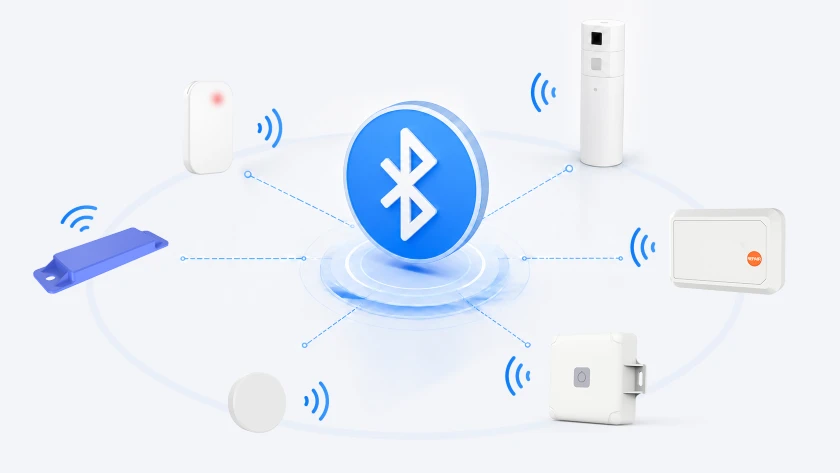
O Processo de qualificação Bluetooth ajuda a confirmar se os produtos que utilizam a tecnologia Bluetooth estão em conformidade com as especificações e requisitos do programa Bluetooth relevantes.
Esta qualificação é particularmente relevante para:
• Sinalizadores Bluetooth
• Etiquetas de pessoal
• Rastreadores de ativos
• Sensores ambientais
• Portais Bluetooth
• Dispositivos de proximidade e posicionamento
Para compradores, um produto qualificado fornece uma base útil para integração com smartphones, entradas, pontos de acesso, e outros dispositivos Bluetooth.
O design qualificado, versão Bluetooth suportada, perfis, e recursos opcionais devem atender aos requisitos do projeto. Por exemplo, um projeto de posicionamento pode precisar de Bluetooth Direction Finding, enquanto um aplicativo beacon básico pode exigir apenas funções de publicidade padrão.
Certificação LoRaWAN
A certificação LoRaWAN é relevante para dispositivos finais que irão operar em uma rede LoRaWAN. Ele verifica a conformidade com as especificações LoRaWAN definidas e oferece suporte à interoperabilidade em todo o ecossistema LoRaWAN.
Os compradores devem considerar:
• Plano de canal regional
• Versão da especificação LoRaWAN
• Classe de dispositivo compatível
• Método de ativação
• Versão do firmware
• Recursos LoRaWAN necessários
A certificação fornece uma base técnica, enquanto o desempenho em campo ainda depende da implantação.
Posicionamento do gateway, materiais de construção, terreno, orientação da antena, densidade do dispositivo, interferência, e as configurações de rede podem afetar a qualidade da comunicação. Uma instalação piloto é, portanto, valiosa para armazéns, fábricas, fazendas, campi, e projetos de cidades inteligentes.
Certificação Wi-Fi
A certificação Wi-Fi é útil quando os dispositivos IoT precisam se conectar a redes corporativas ou pontos de acesso de diferentes fabricantes. Ele suporta implementação consistente de interoperabilidade Wi-Fi definida e funções de segurança.
A certificação deve ser considerada em conjunto com o ambiente de rede do comprador. As implantações empresariais podem envolver requisitos específicos para:
• Compatibilidade de ponto de acesso
• Autenticação
• Criptografia
• Segmentação de rede
• Regras de firewall
• Integração de dispositivos
• Gerenciamento de rede
Um teste piloto na rede pretendida ajuda o comprador e o fabricante a confirmar essas configurações antes de uma implementação maior.
Certificações de celular e operadora
Projetos de IoT celular exigem coordenação estreita entre o dispositivo, operadora móvel, Provedor de cartão SIM, plano de dados, e países-alvo.
Um rastreador de celular, sensor, ou gateway pode envolver:
• Aprovação nacional de rádio
• Certificação PTCRB ou GCF
• Testes ou aceitação específicos do operador
A certificação PTCRB é amplamente utilizada para produtos destinados às redes móveis participantes da América do Norte. A certificação GCF também é usada em muitos mercados celulares internacionais. Esses programas apoiam a implementação consistente de padrões celulares e funções de rede.
Módulos celulares certificados podem fornecer aos fabricantes de IoT uma base técnica estabelecida. Dependendo do design do produto e do operador, o dispositivo acabado também pode seguir etapas adicionais de teste ou aprovação.
O que os compradores de IoT celular devem confirmar
Antes de comprar um produto celular, os compradores devem discutir:
• LTE compatível, LTE-M, NB-IoT, ou bandas 5G
• Países-alvo e operadoras móveis
• Disponibilidade de rede regional
• Suporte para SIM e eSIM
• Requisitos de roaming
• Modo de economia de energia e suporte para eDRX
• Capacidade de atualização de firmware over-the-air
• Uso de dados esperado
• Condições de cobertura interna e externa
• Status de certificação do módulo e produto acabado
Para projetos internacionais, a melhor opção de hardware nem sempre é o produto com maior número de bandas suportadas. A questão mais importante é se o dispositivo, operador, Serviço SIM, e a região de implantação trabalham juntas como um sistema.
Segurança e Conformidade Ambiental
Os requisitos de segurança e ambientais dependem do dispositivo, sua fonte de energia, e suas condições operacionais pretendidas.
Segurança Elétrica e de Bateria
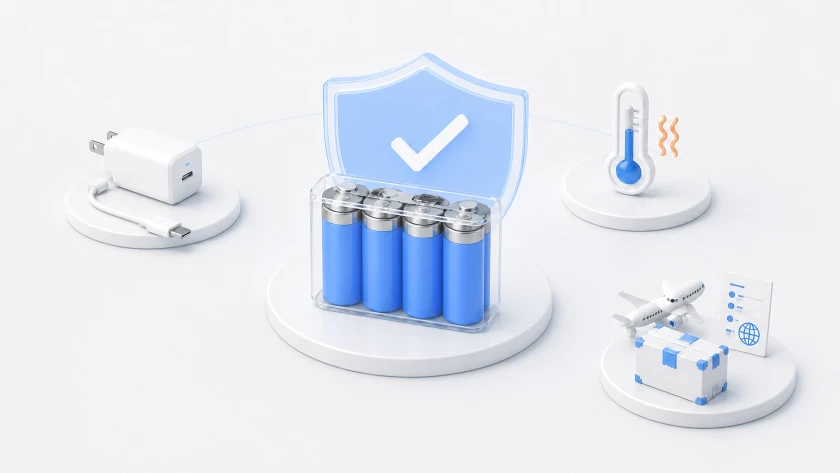
Não existe um certificado de segurança único para cada produto IoT. Os requisitos relevantes dependem do dispositivo, fonte de energia, e uso pretendido. Os compradores devem considerar o fogo, superaquecimento, choque elétrico, carregando, dano mecânico, exposição ao ar livre, temperatura operacional, e acessórios de energia.
Dispositivos alimentados por bateria também podem precisar de documentação de transporte, especialmente quando as baterias de lítio são enviadas por via aérea. A evidência disponível deve refletir o produto selecionado, bateria, carregador, e configuração de energia.
RoHS, ALCANÇAR, e REEE
Para projetos europeus, RoHS restringe substâncias perigosas em equipamentos elétricos e eletrônicos, enquanto o REACH aborda os riscos químicos e a comunicação da cadeia de abastecimento. A documentação relevante pode abranger os componentes eletrônicos, recinto, bateria, cabos, revestimentos, e acessórios.
REEE diz respeito à coleta e reciclagem de lixo eletrônico. As responsabilidades podem depender se o fabricante, importador, distribuidor, ou proprietário da marca coloca o produto no mercado.
Certificação ATEX para Indústrias Perigosas
ATEX é importante quando o dispositivo IoT for instalado em uma atmosfera potencialmente explosiva na União Europeia.
Pode aplicar-se a implantações em:
• Instalações de petróleo e gás
• Plantas petroquímicas
• Produção química
• Mineração
• Operações com tintas e solventes
• Armazenamento de grãos
• Processamento de farinha e açúcar
• Produção farmacêutica
• Outros ambientes com poeira combustível
Como combinar zonas ATEX e categorias de equipamentos
Comece com a classificação do site, em seguida, escolha o equipamento com a categoria ATEX correspondente.
| Atmosfera perigosa | Zona | Com que frequência pode estar presente | Categoria obrigatória |
| Gás, vapor, ou névoa | Zona 0 | Continuamente, frequentemente, ou por longos períodos | 1G |
| Gás, vapor, ou névoa | Zona 1 | Ocasionalmente durante a operação normal | 2G |
| Gás, vapor, ou névoa | Zona 2 | Improvável durante a operação normal, ou apresentar apenas brevemente | 3G |
| Poeira combustível | Zona 20 | Continuamente, frequentemente, ou por longos períodos | 1D |
| Poeira combustível | Zona 21 | Ocasionalmente durante a operação normal | 2D |
| Poeira combustível | Zona 22 | Improvável durante a operação normal, ou apresentar apenas brevemente | 3D |
Depois de combinar a zona e a categoria, confirme o grupo de gás ou poeira, classificação de temperatura, faixa ambiente, método de proteção, condições especiais, e bateria aprovada, recinto, antena, e acessórios. ATEX não substitui as aprovações para locais perigosos exigidas nos Estados Unidos ou Canadá.
Requisitos de segurança cibernética para dispositivos conectados
A segurança cibernética está se tornando uma parte importante da seleção de produtos IoT, especialmente quando os dispositivos coletam ou transmitem:
• Locais de ativos
• Locais de funcionários ou visitantes
• Ocupação do edifício
• Acessar eventos
• Informações de produção
• Registros ambientais
• Identificadores de rede
Na UE, os requisitos de cibersegurança ativados ao abrigo da Diretiva Equipamentos de Rádio aplicam-se a categorias específicas de equipamentos de rádio desde agosto 1, 2025. Dependendo do dispositivo, estas disposições abordam a proteção da rede, dados pessoais e privacidade, e proteção contra fraude.
A Lei de Resiliência Cibernética da UE introduz requisitos mais amplos de ciclo de vida para produtos com elementos digitais. As suas obrigações de reporte aplicam-se a partir de Setembro 11, 2026, enquanto as suas principais obrigações se aplicam a partir de dezembro 11, 2027.
Alinhando os requisitos de segurança com o fornecedor
Os requisitos de segurança cibernética devem refletir a função do dispositivo, a sensibilidade de seus dados, e a arquitetura de rede do comprador.
Tópicos úteis para discutir com o fornecedor incluem:
• Proteção de atualização de firmware
• Credenciais do dispositivo
• Autenticação e controle de acesso
• Proteção de dados
• Configuração de interface e serviço
• Relatórios de vulnerabilidade
• Processos de atualização de segurança
• Período de suporte do produto
• Gerenciamento de dispositivos em nível de frota
• Recuperação após uma atualização interrompida
Estas discussões ajudam ambas as partes a definir o equilíbrio certo entre segurança, duração da bateria, usabilidade, esforço de integração, e custo do projeto.
Prioridades de certificação por setor
As certificações mais relevantes dependem de onde e como o dispositivo será implantado.
| Indústria ou aplicação | Principais certificações e evidências a considerar |
| Logística e armazenamento | Aprovação de acesso ao mercado, Qualificação Bluetooth ou LoRaWAN, aprovação de celular quando aplicável, segurança da bateria, e segurança de dados |
| Fabricação | Conformidade com rádio e EMC, qualificação sem fio, segurança elétrica, testes ambientais, e segurança cibernética |
| Edifícios inteligentes | Aprovação de acesso ao mercado, Qualificação Bluetooth ou Wi-Fi, segurança elétrica, segurança cibernética, e testes de integração |
| Varejo | Aprovação de rádio, Qualificação Bluetooth ou Wi-Fi, segurança da bateria, conformidade ambiental, e controles de privacidade |
| Monitoramento da cadeia de frio | Aprovação de rádio, qualificação sem fio, evidência de calibração, faixa ambiental, desempenho da bateria, e integridade de dados |
| Rastreamento de ativos celulares | Aprovação de acesso ao mercado, PTCRB ou GCF, compatibilidade do operador, verificação de roaming, evidência de bateria, e FOTA seguro |
| Óleo, gás, químico, mineração, e instalações de poeira combustível | Aprovação de acesso ao mercado, ATEX ou aprovação local aplicável para locais perigosos, classificações ambientais, e segurança cibernética |
Esta tabela é um ponto de partida. Os requisitos finais dependem do país, uso pretendido, método de instalação, e avaliação de risco do local.
Como revisar a certificação com um fabricante de IoT
Comece com a configuração exata do produto: modelo, revisão de hardware, rádio, antena, bateria, firmware, configurações regionais, e acessórios. Em seguida, esclareça se cada aprovação se aplica ao dispositivo finalizado, um módulo, um protocolo, ou um componente específico.
Onde disponível, bancos de dados oficiais, como registros de equipamentos da FCC, Produtos qualificados Bluetooth SIG, o Localizador de produtos da Wi-Fi Alliance, Listagens da Aliança LoRa, e os registros PTCRB podem complementar a documentação do fabricante.
Discuta a personalização antecipadamente. Antena, PCB, recinto, bateria, firmware de rádio, transmitir potência, módulo celular, marca, ou alterações no uso pretendido podem afetar o caminho de certificação. A revisão antecipada mantém o design, testando, documentação, custo, e planejamento de produção alinhado.
Uma lista de verificação focada em aquisições de IoT
Antes de aprovar um dispositivo IoT, os compradores devem confirmar que:
• O produto é adequado para cada país-alvo.
• Possui Bluetooth relevante, Wi-fi, ou qualificação LoRaWAN.
• A conectividade celular corresponde às redes e operadoras selecionadas.
• A documentação de segurança reflete a configuração do produto e da energia.
• A documentação ambiental apoia o mercado-alvo.
• A aprovação para áreas perigosas corresponde à classificação do local quando necessário.
• Funções de segurança cibernética alinhadas com o aplicativo.
• Os documentos do produto correspondem à configuração selecionada.
• O dispositivo foi avaliado na rede pretendida e em condições operacionais representativas.
• Personalização e alterações futuras do produto estão incluídas no plano de certificação.
Como o Minew ajuda os compradores a passar da seleção à implantação
Para compradores da indústria, o objetivo não é coletar certificados. É selecionar um dispositivo IoT que se adapte à aplicação, passa na revisão interna, e pode passar do piloto para uma implantação mais ampla sem atrasos desnecessários.
Minas oferece faróis, etiquetas pessoais, rastreadores de ativos, sensores, e gateways usando Bluetooth, LoRaWAN, celular, Wi-fi, UWB, GNSS, e conectividade por satélite. Esta linha ajuda os compradores a comparar opções adequadas para visibilidade interna, monitoramento ambiental, segurança pessoal, e ativos movendo-se além de uma instalação.
Ao compartilhar os países-alvo, conectividade, condições do local, necessidades de personalização, e escala esperada, os compradores podem trabalhar com Minew para identificar um produto padrão adequado ou caminho de desenvolvimento. OEM, ODM, e o suporte JDM pode então conectar a seleção de produtos, amostragem, personalização, documentação, e entrega em volume.
Escolha o caminho de certificação correto para sua implantação
O dispositivo IoT mais certificado não é aquele com a lista de aprovação mais longa. É aquele cujas certificações condizem com o mercado, rede, ambiente, e aplicação pretendida.
Comece com onde o dispositivo irá operar, como vai se comunicar, quais condições de segurança se aplicam, e quais dados ele deve proteger. A discussão inicial com o fabricante transforma essas respostas em um caminho de certificação focado e ajuda a evitar atrasos evitáveis durante a implementação.
 Conversar Agora