


أنت تدفع ثمن الإضاءة, التدفئة, والتبريد لمكتب يتسع لـ 100 شخص. لكن في يوم جمعة نموذجي, فقط 15 يظهر الناس. باقي المبنى فارغ, حرق من خلال ميزانيتك.
العمل المختلط يجعل الحضور في المكتب غير متوقع. لم يعد بإمكانك الاعتماد على الإرشادات اليدوية أو تمريرات الشارات وحدها لفهم كيفية استخدام الأشخاص لمنشأتك. أنت بحاجة إلى بيانات دقيقة. هذا هو المكان الذي يأتي فيه تتبع استخدام المساحات المكتبية. من خلال القياس الدقيق لكيفية ومتى يستخدم الأشخاص المبنى الخاص بك, يمكنك التوقف عن التخمين والبدء في اتخاذ قرارات واثقة بشأن عقاراتك.
ما هو استغلال الفضاء?
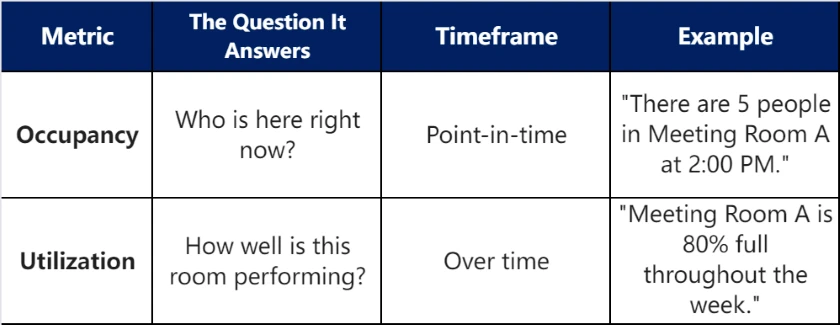
يقيس استخدام المساحة مدى فعالية استخدامك لمساحتك المادية خلال فترة محددة. يخبرك إذا كانت غرف الاجتماعات الخاصة بك مكتظة دائمًا, أو إذا كان هذا المكتب الكبير في الزاوية فارغًا لمدة ثلاثة أيام في الأسبوع.
كثير من الناس يخلطون بين الاستخدام والإشغال. فيما يلي جدول بسيط لمقارنة المفهومين:
لماذا يعد تتبع استخدام الفضاء أمرًا بالغ الأهمية اليوم
يوفر تتبع المساحة الخاصة بك فائدتين هائلتين لعملك:
وفورات في التكاليف: يمكنك التعرف على “مساحات الزومبي”, المناطق التي تستنزف الموارد ولكنها لا تشهد أي حركة مرور تقريبًا. بمجرد العثور عليهم, يمكنك تقليص حجمها, تأجير من الباطن, أو إعادة توظيف تلك اللقطات المربعة.
تجربة أفضل للموظفين: لا أحد يحب البحث عن مكتب مفتوح. تساعدك البيانات على منع المناطق المزدحمة وتضمن توفير المزيج المناسب من المناطق الهادئة والمساحات التعاونية لفريقك.
المقاييس الرئيسية لقياس النجاح
للحصول على صورة واضحة عن منشأتك, يجب عليك تتبع بعض المقاييس الأساسية. راقب هذه الأرقام لفهم خط الأساس الخاص بك:
معدل الاستخدام: هذا هو خط الأساس الأساسي الخاص بك: (المساحة المستخدمة ÷ السعة الإجمالية) × 100. يوضح ما إذا كنت تهدر الإيجار على غرف فارغة أو تعمل على تعظيم تخطيط مكتبك الحالي بشكل فعال.
ذروة الإشغال: يحدد هذا الأيام والساعات المحددة التي يتعرض فيها مكتبك لأكبر قدر من الضغط. يساعدك على إعداد ما يكفي من المكاتب والتأكد من عدم تعطل أنظمة Wi-Fi أثناء أوقات الانشغال.
تردد الاستخدام: يتتبع هذا عدد مرات وصول الأشخاص إلى منطقة معينة. يمكن لغرفة الاجتماعات الصغيرة أن تتسع لشخصين فقط, ولكن إذا تم استخدامه باستمرار, فهو يوفر قيمة يومية هائلة.
التكلفة لكل مقعد/شخص: هذا يحسب العائد المالي للمساحة الخاصة بك. عن طريق قسمة إجمالي تكلفة الإيجار على عدد المكاتب النشطة, ترى بالضبط كم تكلفك الكراسي الفارغة.
نسبة التنقل: يوضح هذا التوازن بين المكاتب المخصصة ومحطات العمل المرنة. فهو يرشدك إلى إزالة المكاتب الدائمة وإضافة المزيد من خيارات المكاتب الدائمة إذا كان فريقك نادرًا ما يظل ساكنًا.
كيفية قياس الاستخدام: دور إنترنت الأشياء سخطوة شتبليط سأجهزة الاستشعار مع مينيو
لا يمكنك إصلاح ما لا تقيسه. لجمع البيانات في الوقت الحقيقي, تستخدم المرافق أجهزة استشعار لاستغلال المساحة. أجهزة إنترنت الأشياء, مثل الأجهزة التي صنعتها شركة Minew, يعطيك صورة واضحة للمبنى الخاص بك. مناجم تصمم أجهزة استشعار للنشر السريع والتكامل السهل. يمكنك توصيلها بأنظمتك الحالية وإطلاق مشروع جديد لتتبع الفضاء في غضون أيام, ليس أشهر.
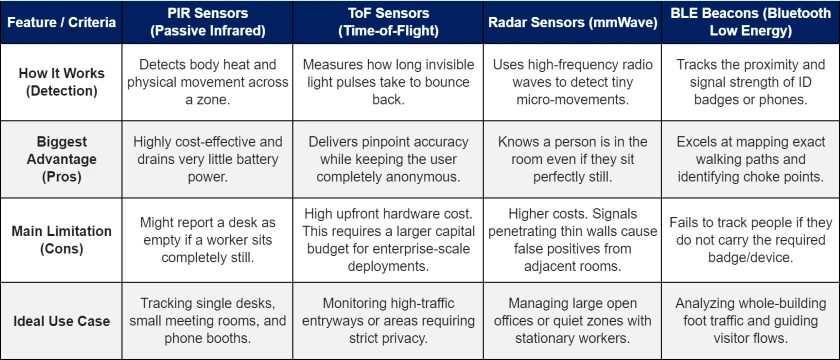
فيما يلي الأنواع الرئيسية من أجهزة الاستشعار التي يمكنك استخدامها:
شرطة التدخل السريع (الأشعة تحت الحمراء السلبية) أجهزة الاستشعار: تقوم أجهزة مثل Bluetooth أو مستشعرات LoRaWAN PIR باكتشاف التوقيعات الحرارية والحركة. أجهزة استشعار PIR مثالية لمراقبة المكاتب وإشغال الغرف في الوقت الفعلي.
ToF (وقت الرحلة) أجهزة الاستشعار: ترسل هذه المستشعرات نبضات ضوئية وتقيس المدة التي تستغرقها للارتداد. وقت الرحلة سأجهزة الاستشعار تقديم كشف دقيق للغاية عن المسافة والتواجد مع الاحترام الصارم لخصوصية المستخدم.
بليه (بلوتوث منخفض الطاقة) منارات: تقوم هذه الأجهزة بتتبع مدى قرب الهواتف الذكية أو شارات الهوية. منارة بلوتوث يساعدس يقوم المديرون بتحليل حركة السير وتدفقات الحركة عبر المبنى.
أجهزة استشعار الرادار: هذه الاستخدام تقنية mmWave للكشف عن الحركات الدقيقة. إنهم يعرفون أن هناك شخصًا ما في الغرفة حتى لو كان هذا الشخص جالسًا تمامًا على المكتب.
تطبيقات عملية حسب نوع المساحة
سينطبق استخدام السرعة على أكثر بكثير من مجرد أرضية مقصورة قياسية. إليك كيفية استخدام الصناعات المختلفة لهذه البيانات:
مكاتب الشركات: لم يعد يتعين على مديري المرافق تخمين متى سيغير الموظفون جداولهم الزمنية. يستخدمون بيانات الإشغال لإغلاق أنظمة التدفئة والتهوية وتكييف الهواء (HVAC) تلقائيًا وإلغاء خدمات التنظيف للأرضيات غير المستخدمة في أيام الجمعة ذات حركة المرور المنخفضة. كما أنهم يستخدمون البيانات لتقسيمها فعليًا إلى فارغة, 20-غرف اجتماعات الأشخاص أصغر حجمًا, غرف التركيز عالية الطلب.
مساحات العمل المشترك: يقوم المشغلون بتوصيل أجهزة الاستشعار مباشرة ببرنامج حجز غرفهم للتخلص منها “حجوزات الأشباح.” إذا قام أحد الأعضاء بحجز غرفة ولكنه لا يدخلها فعليًا 15 دقائق, يكتشف المستشعر عدم وجود وجود ويحرر الغرفة تلقائيًا للأعضاء الآخرين.
لياقة بدنية & المرافق الرياضية: يتتبع مديرو الصالة الرياضية خرائط الحرارة في الوقت الفعلي لمعرفة المناطق المكتظة. إذا كانت منطقة الوزن الحر مكتظة باستمرار بينما تبقى منطقة التمدد فارغة, يقومون بنقل المعدات فعليًا لإعادة التوازن إلى مخطط الأرضية ومنع الاختناقات.
المستودعات & الخدمات اللوجستية: يحدد مديرو المرافق المناطق الميتة في تخطيطهم. إذا أظهرت بيانات المستشعر أن منطقة التدريج الضخمة يتم استخدامها فقط 10% من الوقت, يقومون بتحويل تلك اللقطات المربعة المهدرة إلى أرفف تخزين نشطة لزيادة قدرتها الإجمالية على الاحتفاظ.
خاتمة
العقارات التجارية هي واحدة من أعلى التكاليف الثابتة لأي عمل تجاري. لم تعد الشركات قادرة على تحمل تكاليف التدفئة, رائع, وتنظيف الغرف الفارغة.
تعمل مستشعرات استخدام مساحة إنترنت الأشياء على تحويل المباني من نفقات ثابتة إلى أنظمة قابلة للقياس. من خلال نشر أجهزة سريعة التكامل مثل أجهزة استشعار Minew, تتوقف فرق المنشأة عن الاعتماد على التقديرات المرئية وتمرير الشارات. لقد حصلوا على الدقيق, البيانات دقيقة بدقيقة اللازمة لإلغاء عقود الإيجار غير المستخدمة, تغيير حجم غرف الاجتماعات غير الفعالة, وبناء مساحات عمل تناسب واقع العمل المختلط.
 الدردشة الآن