


على مستوى كأس العالم, الرؤية لا تقل أهمية عن سعة الملعب. إدارة الملايين من المشجعين, آلاف المركبات, وأطنان من المعدات في نفس الوقت تعني أن نقطة عمياء واحدة يمكن أن تؤخر المباريات أو تسبب مخاطر أمنية. اليوم, كأس العالم لكرة القدم هي عملية تكنولوجية ضخمة في الوقت الحقيقي. من كرة المباراة المتصلة إلى لوجستيات الحشود والتحكم في المناخ, تعتمد كرة القدم الحديثة على طبقة مخفية من أجهزة إنترنت الأشياء والبنية التحتية للبيانات لتحويل البيئات المادية المعقدة إلى أنظمة يمكن التحكم فيها.
لقد أصبح كأس العالم حدثًا للبيانات في الوقت الفعلي
ال 2026 تعمل كأس العالم FIFA على توسيع نطاق هذا التحدي عبر العديد من البلدان والأماكن. يتطلب كل يوم مباراة التنسيق في الوقت الحقيقي بين المشجعين, فرق, المركبات, والمعدات في بيئة عالية الكثافة. التحدي التشغيلي الرئيسي لا يقتصر على استضافة الألعاب فقط, ولكن مزامنة البنية التحتية والخدمات على الفور. هذا هو المكان الذي يصبح فيه إنترنت الأشياء ضروريًا, ربط الأحداث المادية بالأنظمة الرقمية لتحويل الخدمات اللوجستية المعقدة إلى بيانات قابلة للتنفيذ.
كيف تعمل تقنية الكرة المتصلة على جلب إنترنت الأشياء إلى كرة القدم
تعد كرة المباراة الرسمية على أرض الملعب المثال الأكثر شيوعًا لطبقة البيانات في الوقت الفعلي.
ما هي تكنولوجيا الكرة المتصلة?
تضع تقنية الكرة المتصلة مستشعرًا للحركة داخل كرة المباراة لالتقاط بيانات الحركة مثل اللمس, سرعة, والأحداث المتعلقة بالموقف. في كرة القدم النخبة, يمكن دمج هذه البيانات مع أنظمة تتبع اللاعبين والفيديو لدعم قرارات التحكيم بشكل أسرع وأكثر دقة.
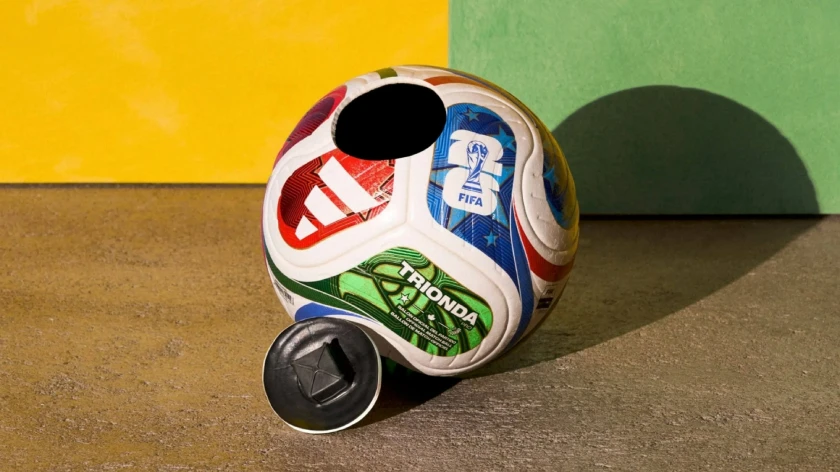
ال 2026 كرة المباراة الرسمية, تريوندا, يستخدم تقنية الكرة المتصلة هذه. يوفر مستشعر الحركة المدمج بيانات حركة الكرة في الوقت الفعلي لحكم الفيديو المساعد (ملكنا) نظام. تُظهر تقنية التسلل شبه الآلية الخاصة بـ FIFA كيف يمكن أن تعمل بيانات الكرة وبيانات موقع اللاعب معًا. يعد هذا مثالًا قويًا على أن يصبح الكائن الذي يدعم المستشعر جزءًا من نظام اتخاذ القرار في الوقت الفعلي, إرسال البيانات من خلال تدفق البيانات من الحافة إلى السحابة دون مقاطعة تدفق اللعبة.
من تتبع الكرة إلى رؤية إنترنت الأشياء على نطاق واسع في الملعب
تُظهر الكرة المتصلة مبدأً أساسيًا واحدًا: عندما يمكن قياس الحركة الجسدية, القرارات تصبح أسرع. وينطبق نفس المبدأ على أرض الملعب:
• أين يتحرك الناس?
• أين تقع الأصول الحيوية?
• ما هي البوابات التي أصبحت مزدحمة?
• ما هي مناطق الخدمة التي تحتاج إلى التجديد?
• ما هي المناطق البيئية التي تحتاج إلى الاهتمام?
القصة الحقيقية ليست جهازًا ذكيًا واحدًا, بل عبارة عن شبكة من الأجهزة المتصلة التي تعمل معًا. قد تكون الكرة الذكية هي المستشعر الأكثر وضوحًا في كأس العالم, ولكنه جزء واحد فقط من تحدي أكبر بكثير للرؤية في الوقت الفعلي.
إدارة الحشود: كيف ساعدت تقنية RFID في تحريك ملايين المعجبين
رؤية الحدث ليست نظرية; وقد تم نشره بالفعل على نطاق كأس العالم. خلال قطر 2022, يحتاج المنظمون إلى إدارة ملايين المشجعين عبر الملاعب ومرافق الأحداث. لفعل هذا, لقد استخدموا بطاقات Hayya المزوّدة بتقنية RAIN RFID في نظام إدارة الحشود.
سمحت بوابات RFID باكتشاف المراوح دون التوقف لإجراء عمليات الفحص اليدوي. أعطى هذا النظام للمنظمين نظرة ثاقبة في الوقت الفعلي لحركة المعجبين وساعدهم في تخصيص موارد التحكم في الحشود حيث كانت هناك حاجة إليها بشدة.
كيف يمكن لإنترنت الأشياء تحسين إدارة الحشود في الأحداث الرياضية؟?
يمكن لإنترنت الأشياء تحسين إدارة الحشود من خلال اكتشاف الحركة عبر المداخل, مخارج, الممرات, ونقاط التحول الرئيسية. عندما يتم تصور هذه البيانات على لوحات المعلومات في الوقت الحقيقي, يمكن لفرق الحدث تحديد الاختناقات, ضبط التوظيف, فتح أو إعادة توجيه الطرق, والاستجابة بشكل أسرع خلال ذروة حركة الحشود.
للملاعب, مراكز المؤتمرات, المستشفيات, المطارات, والحرم الجامعي, ويمكن تطبيق مبادئ الرؤية المماثلة. يمكن للمشغلين استخدام تقنيات مثل بطاقات RFID, منارات بلوتوث, علامات الموظفين, و بوابات إنترنت الأشياء لتحسين رؤية موظفي الحدث وسلامة الزوار.
إدارة سلاسل التوريد غير المرئية في لوجستيات الاستاد
قبل كل مباراة, تحتاج الملاعب إلى تحضير الطعام, المشروبات, بضائع, معدات البث, أدوات الصيانة, الإمدادات الطبية, والبنية التحتية المؤقتة. غالبًا ما تعمل الأماكن الكبيرة مثل مراكز لوجستية مؤقتة.
لماذا يحتاج الملعب الذكي إلى تتبع الأصول?
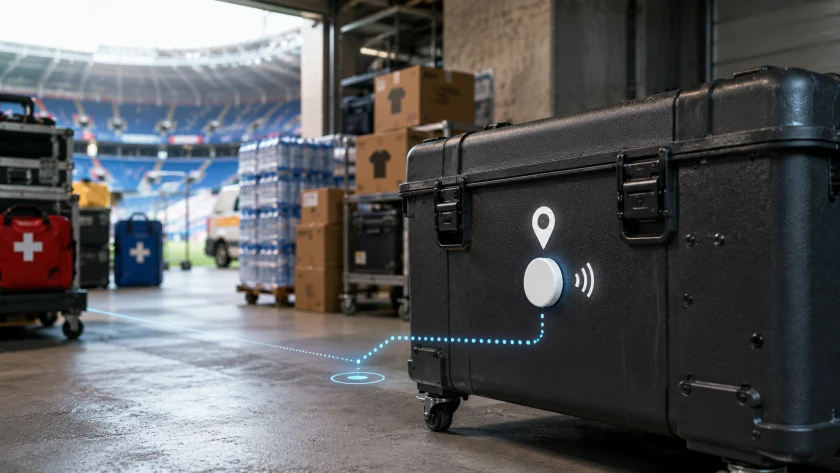
يحتاج الملعب الذكي إلى تتبع الأصول لأن عمليات يوم المباراة تعتمد على العديد من الأصول المنقولة, من المعدات التقنية والأطقم الطبية إلى مخزون الطعام وأدوات الصيانة. تساعد رؤية الأصول في الوقت الفعلي على تقليل الخسارة, تقصير وقت البحث, وتحسين الاستعداد التشغيلي.
استخدام تعقب الأصول السماح للمديرين بتحقيق الرؤية الكاملة للمخزون. تبث هذه الأصول المتعقبة حالتها باستمرار, والتي يتم التقاطها بواسطة بوابات إنترنت الأشياء المنتشرة في جميع أنحاء المكان وإرسالها مباشرة إلى منصة سحابية مركزية. تتيح هذه البنية لفرق الخدمات اللوجستية عرض حركات الأصول بشكل فوري على لوحات المعلومات الخاصة بهم, منع المعدات المفقودة والحفاظ على جداول الأحداث الضيقة على المسار الصحيح.
تحسين مواقف السيارات وتدفق زوار الاستاد
للجماهير, تبدأ تجربة الملعب قبل وقت طويل من انطلاق المباراة. يبدأ مع الوصول: وقوف السيارات, الحافلات المكوكية, النقل العام, طرق المشي, وبوابات الدخول.
كيف يدعم إنترنت الأشياء مواقف السيارات الذكية في الأحداث الكبيرة?
يدعم إنترنت الأشياء وقوف السيارات الذكي باستخدام موقف السيارات أو مستشعر ToF للكشف عن إشغال مواقف السيارات, إرسال بيانات الإشغال في الوقت الفعلي إلى المنصات السحابية أو تطبيقات الهاتف المحمول, وتوجيه السائقين إلى الأماكن المفتوحة. وهذا يقلل من وقت البحث, الازدحام المروري, والضغط التشغيلي حول الأماكن.
بمجرد مغادرة المشجعين سياراتهم, يمكن أن يساعد تحديد الطريق الرقمي وتحليلات تدفق الزوار في توزيع الحشود بالتساوي عبر المداخل ومناطق الخدمة. إشارات البلوتوث الموضوعة في جميع أنحاء المكان تدعم الملاحة الداخلية, مساعدة المشجعين في العثور على مقاعدهم, دورات المياه, أو امتياز يقف في المجمع, هياكل متعددة المستويات.
إدارة الراحة والسلامة في الملعب باستخدام أجهزة الاستشعار
تستخدم الملاعب الذكية أجهزة استشعار لمراقبة الإضاءة, تهوية, والظروف البيئية. تُظهر قصة تبريد الملاعب في قطر 2022 بوضوح مدى ارتباط الراحة بالبيانات بشكل مباشر.
لمحاربة الحرارة الشديدة, تم نشر الأماكن المصممة بالذكاء الاصطناعي “التبريد الموضعي” نظام مستوحى من مشعات السيارة. بدلًا من تبريد الملعب بأكمله, تطلق المبردات التي تعمل بالطاقة الشمسية الهواء البارد مباشرة من خلال الشبكات الموجودة أسفل المقاعد والفوهات الميدانية. تفاعلت أجهزة الاستشعار البيئية المدمجة مع مركز القيادة المركزي, ضبط تدفق الهواء تلقائيًا للحفاظ على درجات الحرارة بينهما 64 و 75 درجة فهرنهايت. تعمل هذه الدقة المبنية على البيانات على تقليل استهلاك الطاقة 40%.
في أماكن الفعاليات الكبيرة, يمكن أن تصبح المشكلات البيئية الصغيرة مشكلات تشغيلية أو مخاطر تتعلق بالسلامة بسرعة.
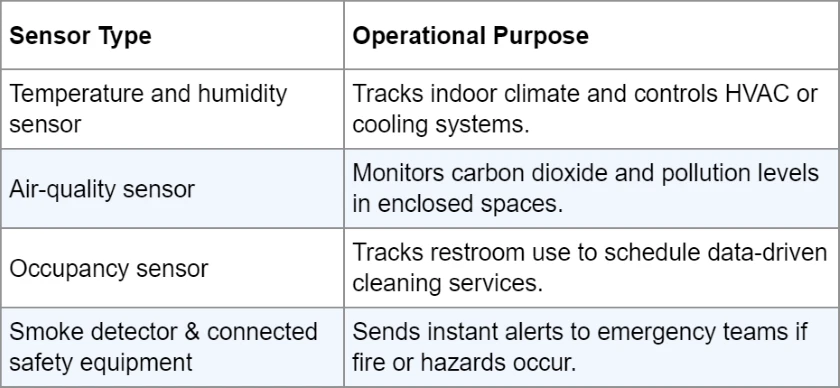
ما هي أجهزة الاستشعار المستخدمة في الملاعب الذكية?
تستخدم الملاعب الذكية مزيجًا من التقنيات المتخصصة أجهزة استشعار إنترنت الأشياء للحفاظ على المكان آمنًا ومريحًا. يوضح هذا الجدول كيفية استخدام المشغلين للأجهزة المختلفة لمراقبة صحة المكان:
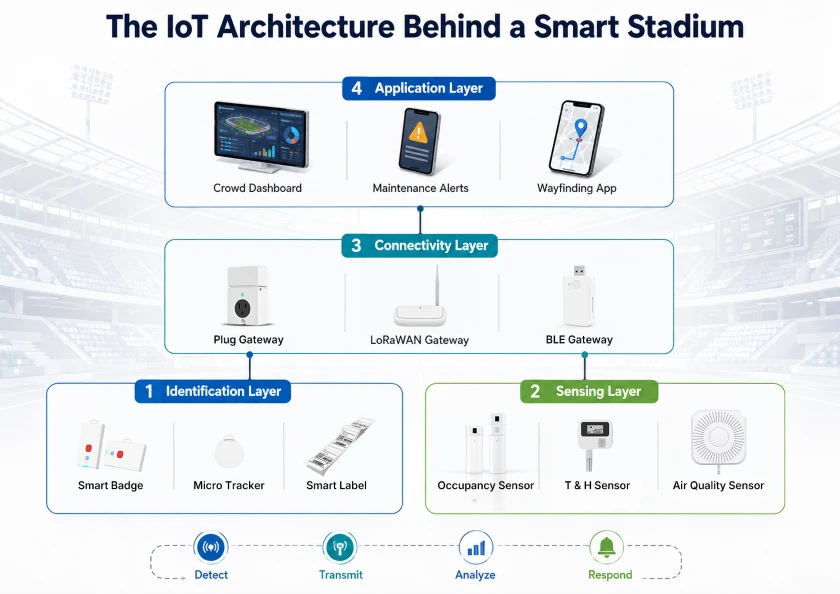
هندسة إنترنت الأشياء خلف الاستاد الذكي
إن قيمة إنترنت الأشياء لا تأتي من جهاز واحد فقط. انها تأتي من ربط تحديد الهوية, الاستشعار, تواصل, والبرمجيات في حلقة تشغيلية واحدة: يكشف, إرسال, تحليل, والرد. عادةً ما يتكون نظام إنترنت الأشياء للملعب الذكي من أربع طبقات:
1. طبقة التعريف
تستخدم هذه الطبقة الأجهزة وبيانات الاعتماد مثل بطاقات RFID, علامات الموظفين, وأجهزة تعقب الأصول للتعرف على الأشخاص, أصول, أو الأشياء في جميع أنحاء المكان.
2. طبقة الاستشعار
تقوم مستشعرات إنترنت الأشياء بجمع بيانات العالم المادي في الوقت الفعلي, بما في ذلك أجهزة استشعار الحركة, أجهزة استشعار درجة الحرارة والرطوبة, أجهزة استشعار الإشغال, مجسات وقوف السيارات, وأجهزة استشعار جودة الهواء.
3. طبقة الاتصال
تقوم معدات البنية التحتية بجمع البيانات ونقلها عبر المكان, باستخدام بوابات بليه, بوابات لوراوان, وأجهزة إعادة الإرسال عبر شبكة Wi-Fi, بلوتوث, تتفاعل, أو الشبكات الخاصة.
4 طبقة التطبيق
تتكون طبقة التطبيق من منصات برمجية وتطبيقات تعمل على تحويل البيانات الأولية إلى رؤى قابلة للتنفيذ, بما في ذلك لوحات المعلومات الجماهيرية, منصات رؤية الأصول, لوحات مراقبة البيئة, أنظمة تنبيه الصيانة, وتطبيقات تحديد الطريق.
ما الذي يمكن لمشغلي الأحداث تعلمه من تكنولوجيا كأس العالم
تنطبق الدروس المستفادة من الملاعب الذكية في كأس العالم على العديد من الصناعات الأخرى. نفس منطق إنترنت الأشياء يمكن أن يدعم الخدمات اللوجستية, الرعاىة الصحية, بيع بالتجزئة, الحرم الجامعي للشركات, المصانع, والأماكن العامة. فيما يلي النقاط الرئيسية لأي مشغل:
أصبحت الرؤية في الوقت الفعلي متطلبًا أساسيًا: تحتاج الأماكن الكبيرة إلى بيانات حية عن الأشخاص, أصول, وشروط البقاء فعالة.
أفضل أنظمة إنترنت الأشياء قيد التشغيل, ليست زخرفية: لا يكون المستشعر ذا قيمة إلا عندما تدعم بياناته قرارًا ملموسًا.
ينبغي إدارة حركة الحشود وحركة الأصول معًا: تعتمد عمليات الحدث على التنسيق بين الأشخاص والمعدات.
يجب تخطيط الاتصال من حيث الكثافة والتعقيد: الملاعب, المطارات, المستشفيات, وتواجه مراكز المعارض تحديات كبيرة في مجال التغطية اللاسلكية. يجب وضع البوابات وأجهزة إعادة الإرسال بشكل استراتيجي لضمان تدفق البيانات بشكل موثوق.
خاتمة
يُظهر كأس العالم مدى انتقال التكنولوجيا المتصلة إلى العالم المادي. يمكن للكرة الذكية أن تدعم قرارات المباراة, يمكن لـ RFID إدارة حركة الحشود, يمكن لأجهزة الاستشعار مراقبة راحة الملعب, ويمكن للبنية التحتية لبوابة إنترنت الأشياء تحويل آلاف الإشارات إلى وعي تشغيلي في الوقت الفعلي. للأماكن والمؤسسات الحديثة, لم يعد إنترنت الأشياء يتعلق فقط بتوصيل الأجهزة. يتعلق الأمر بجعل المساحات المعقدة مرئية, قابلة للقياس, وأسهل في الإدارة.
بحاجة لبناء مكان أكثر ذكاء? للمؤسسات بناء أماكن ذكية, عمليات الحدث, الأنظمة اللوجستية, أو حلول الرؤية في الأماكن المغلقة, يوفر Minew أساسًا موثوقًا للأجهزة للاستخبارات التشغيلية في الوقت الفعلي. من خلال نشر أجهزة تتبع الأصول الصناعية Minew, منارات بلوتوث, أجهزة الاستشعار البيئية, وبوابات إنترنت الأشياء الذكية, يمكن للشركات القضاء على النقاط العمياء التشغيلية, تبسيط الخدمات اللوجستية, وضمان التدفق السلس للبيانات عبر أي مساحة فعاليات ضخمة.
 الدردشة الآن