


نحن نعيش حاليا في ظل هجرة جماعية. إنها ليست حركة الناس, ولكن من ذكاء. تكتسب الأشياء اليومية القدرة على التفكير, يشعر, والتحدث. اعتبارا من 2024, هناك تقريبا 18.6 مليار إنترنت الأشياء النشط (إنترنت الأشياء) اتصالات في جميع أنحاء العالم. وهذا هو أكثر من ضعف عدد البشر. في أربع سنوات فقط, لقد رأينا أ 64.6 بالمائة زيادة في هذه الروابط. بواسطة 2035, ويتوقع الخبراء أن يصل هذا الرقم إلى رقم مذهل 55 مليار.
كل كاميرا ذكية, الاستشعار الصناعي, والجهاز الطبي المتصل هو خيط في نسيج رقمي جديد. لكن هذا القماش مليء بالثقوب. بينما نربط عالمنا, نحن أيضًا ننشئ هدفًا ضخمًا للمتسللين. يقودنا هذا إلى الموضوع الملح وهو أمن شبكات إنترنت الأشياء.
ما هو بالضبط أمن شبكات إنترنت الأشياء؟?
بعبارات بسيطة, أمان شبكة iot هو ممارسة حماية الأجهزة المتصلة والشبكات التي تستخدمها من الوصول أو التعطيل غير المصرح به.
إنه تحدٍ فريد من نوعه. على عكس الكمبيوتر المحمول أو الهاتف الذكي, أجهزة إنترنت الأشياء نكون “مقطوعة الرأس.” ليس لديهم شاشة, عمر بطارية محدود, وقوة معالجة قليلة جدًا. لا يمكنك ببساطة تثبيت برنامج مكافحة الفيروسات على المصباح الذكي. بالإضافة إلى, ولا يحتاج الجهاز حتى إلى أن يكون متصلاً بالإنترنت العام ليكون معرضًا للخطر. طالما أنه يحتوي على عنوان الشبكة, يمكن أن يكون هدفا.
لماذا يجب أن نهتم؟?
المخاطر أعلى من منظم الحرارة المخترق. في العالم الصناعي, التصنيع يقود الطريق في التبني, باستخدام أجهزة إنترنت الأشياء 58 بالمائة من أتمتة العمليات. يمكن أن يؤدي الفشل الأمني هنا إلى إغلاق مصنع أو شبكة كهرباء.
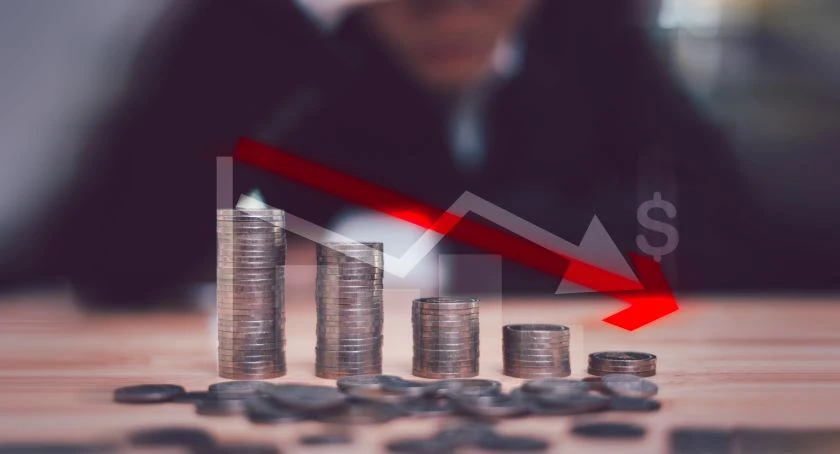
من الناحية المالية, يبلغ متوسط تكلفة فشل أمان إنترنت الأشياء حوالي $330,000 لكل حادثة. للشركات الكبيرة, هذا العدد يمكن أن يرتفع بين $5 مليون و $10 مليون. أبعد من المال, هناك “فجوة الثقة.” تقريبا 78 يقول بالمائة من الأشخاص أنهم سيتوقفون عن استخدام خدمات الشركة بعد حدوث اختراق كبير للبيانات.
ال 5 أكبر المخاطر في عالم إنترنت الأشياء
لحماية الشبكة, يجب علينا أولا أن نفهم “الخدع السحرية” يستخدمها المتسللون لاقتحام.
1. الرجل في الوسط (MITM)
تخيل أنك في فندق وقام شخص ما بوضع قائمة بيتزا تحت باب منزلك. يمكنك الاتصال بالرقم وإعطاء معلومات بطاقتك الائتمانية. الشخص الموجود على الطرف الآخر هو في الواقع محتال. يأخذون معلوماتك, اتصل بمكان البيتزا الحقيقي, وأطلب طعامك لك. يمكنك الحصول على البيتزا الخاصة بك, ولكن “رجل في الوسط” الآن لديه تفاصيل بطاقتك الائتمانية. في العالم الرقمي, يقوم المتسللون بإدخال أنفسهم بين جهازين لاعتراض البيانات وتغييرها.
2. الغوغاء الجامحون (DDoS)
الحرمان من الخدمة الموزعة (DDoS) الهجوم يشبه ازدحام مروري رقمي ضخم. يقوم المتسللون باختطاف الآلاف من أجهزة إنترنت الأشياء الضعيفة لإنشاء “الروبوتات.” ثم يأمرون بهذا “الغوغاء” من الأجهزة لإغراق موقع ويب واحد بالعديد من الطلبات مما يؤدي إلى تعطله.
3. القناع الرقمي (انتحال)
الانتحال هو فن انتحال الشخصية. يقوم المتسلل بتعديل جزء من البيانات لجعلها تبدو وكأنها جاءت من جهاز موثوق به. بارتداء هذا “قناع رقمي,” يمكنهم تجاوز مرشحات الأمان والدخول مباشرة إلى شبكة خاصة.
4. الأذن الخفية (التنصت)
ترسل العديد من أجهزة إنترنت الأشياء البيانات دون أي تشفير. وهذا يسمح للقراصنة بصمت “استمع” على المحادثات الخاصة. على سبيل المثال, يمكن اعتراض بعض الإشارات عن بعد بالأشعة تحت الحمراء من الأعلى 20 على بعد أمتار, حتى من خلال الستائر. إذا قمت بإدخال كلمة المرور باستخدام جهاز التحكم عن بعد هذا, يمكن للمتنصت التقاطه.
5. نافذة الطابق السفلي (الحركة الجانبية)
ربما يكون هذا هو التكتيك الأكثر خطورة. نادرًا ما يبدأ المتسلل في “جواهر التاج” مثل خادم البنك. بدلاً من, يقتحمون جهازًا منخفض الأمان, مثل الثلاجة الذكية. مرة واحدة في الداخل, يتحركون “أفقيا” من غرفة إلى أخرى عبر الشبكة حتى يجدوا ما يريدون حقًا. المتوسط “وقت الاختراق” (الوقت الذي يستغرقه المتسلل لبدء التحرك بشكل جانبي بعد الضربة الأولى) هو مجرد 1 ساعة و 58 دقائق.
كيفية بناء القلعة الرقمية Fسص أناست نهرثسصك سهجشصأنارذ
لمعالجة هذه المتطلبات, يستخدم قادة الصناعة إطار عمل من ثلاث خطوات: يتعلم, شريحة, والحماية.
يتعلم: لا يمكنك حماية ما لا يمكنك رؤيته. الخطوة الأولى هي تحديد وتصنيف كل جهاز على الشبكة في الوقت الحقيقي. هذا يبني أ “ملف تعريف المخاطر” لكل شيء, من آلة القهوة إلى جهاز مراقبة القلب.
شريحة: هذا مثل بناء جدران افتراضية. عن طريق وضع الأجهزة في مجموعات منفصلة, قمت بإنشاء “خندق” من حولهم. إذا دخل أحد المتسللين إلى المصابيح الذكية, يمنعهم التجزئة من الانتقال إلى الخوادم المالية.
يحمي: وهذا ينطوي على مراقبة مستمرة. تستخدم العديد من الأنظمة الحديثة أ “الثقة صفر” نموذج. وهذا يعني أن الشبكة تفترض أن كل شيء يمثل تهديدًا حتى يثبت العكس. يتم التحقق من كل محاولة اتصال, في كل مرة.
خاتمة
قطار إنترنت الأشياء يتحرك بسرعة, وهي حاليًا تستوعب مليارات الأشخاص. إنه يقدم لنا عالمًا من المدن الذكية والطب عن بعد, ولكنه يفتح الباب أيضًا أمام مخاطر جديدة. من خلال التركيز على الرؤية والعزلة, يمكننا أن نضمن أن مستقبلنا المتصل سيظل مشرقًا. الأمان ليس مجرد ميزة. فهو الأساس الذي يحافظ على “الويب غير المرئي” من الانهيار.
 الدردشة الآن