
Buildings used to be passive shells where we worked, lived, and slept. අද, that is changing. We are witnessing a shift where physical structures are becoming active partners in our productivity and health. This transformation is driven by smart facility management, a tech-forward approach that uses data to make buildings more efficient and comfortable.

At the heart of this revolution is the Internet of Things (IoT). By connecting the physical world to digital dashboards, facility managers no longer have to guess when a machine might fail or if a conference room is being wasted.
Why is IoT the Backbone of Smart Facility Management?
එහි හරය, smart facility management is the integration of technology and services to enhance the functionality of a building. If the building is the body, then the IoT is the nervous system. Without the constant flow of data from the physical world to the digital management platform, a building remains “dumb”.
The IoT acts as the backbone by providing essential capabilities through specific hardware:
දොරටු: These act as the communication bridge and “guardians” of the network, translating local device data for the cloud while performing edge filtering to reduce bandwidth costs. අයෝට් ගේට්ස් ensure operational resilience by buffering data during network outages.
පාරිසරික සංවේදක: These act as the building’s “senses,” monitoring variables like temperature, ආර්ද්රතාවය, and CO₂. Research shows that optimized ventilation can double cognitive performance, while moisture sensors identify micro-leaks to prevent catastrophic floods.
වත්කම් ට්රැකර්: These devices provide real-time visibility for mobile equipment and assets. රෝහල්වල, where 10% දක්වා 20% of assets are typically lost or hoarded, asset ට්රැකර්ස් eliminate search times and reduce unnecessary capital expenditure.
Personnel Location Tags: These wearables are essential for safety and workflow. පිරිස් ටීags protect lone workers with real-time location visibility and rapid emergency response through instant SOS alerts.
By combining these elements, a facility manager gains a transparent, data-driven view of the entire operation, turning a black box into an open book.
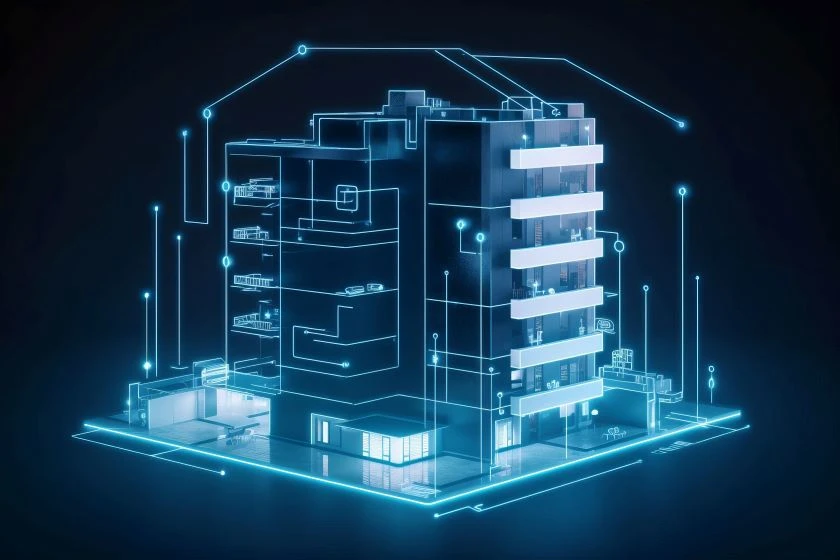
Key Features of Smart Facility Management
To understand the true value of a smart building, we must look at the specific features that drive a return on investment.
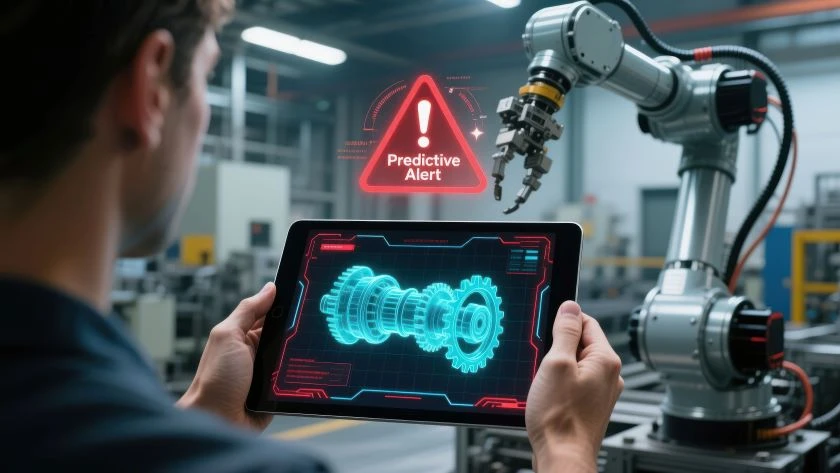
පුරෝකථනය නඩත්තු කිරීම
Traditional maintenance is either reactive or preventive. Both are costly. අනාවැකි නඩත්තු කිරීම භාවිතයන් Ioot සංවේදක to monitor the actual health of equipment. උදාහරණ වශයෙන්, a vibration sensor on an HVAC fan can detect a mechanical wobble weeks before the motor fails. Replacing a small part during a scheduled break is significantly cheaper than replacing an entire motor after a catastrophic mid-week failure.
Indoor Environmental Quality Monitoring
The health of a building directly impacts the health of its people. Sensors that track air quality, ආර්ද්රතාවය, and lighting ensure that the workspace remains optimal for productivity. High CO2 levels have been linked to reduced cognitive function; smart systems can automatically increase ventilation when a meeting room gets crowded .
Optimized Space Utilization
To optimize a layout, you need to know how rooms are actually used through various occupancy detection technologies:
Pir (නිෂ්ක්රීය අධෝරක්ත කිරණ): These sensors detect motion via heat changes. Pir සංවේදක are cost-effective and ideal for simple triggers like hallway lighting .
Mrink rass: This active radar technology excels at static presence detection, ensuring systems know a room is occupied even when people are sitting perfectly still .
Tof (පියාසැරි කාලය): Tof සංවේදක use light pulses to create 3D depth maps. They are superior for precise people counting at entryways while maintaining total privacy because they collect depth data rather than visual images .
පිරිවැය ඉතිරිකිරීම්
The financial impact is immediate. Smart buildings typically deliver 20% දක්වා 40% in energy savings and 15% දක්වා 30% reductions in maintenance costs. By automating lighting and climate control so they only run when people are present, companies often see a payback period for their IoT investment in as little as two to four years.
තිරසාර බව
ලෙස ESG (පාරිසරික, සමාජ, සහ පාලනය) goals become business-critical, smart facility management provides the data needed to reduce a building’s carbon footprint. By extending asset life and reducing energy waste, facilities become much more eco-friendly. අවසානයේ, the convergence of IoT and sustainability is no longer optional; it is the foundation for future-proofing assets in a carbon-constrained economy.

How Smart Building Technology Drives Success
Successful smart buildings follow a specific logic: building efficiency is a byproduct of a great user experience. When you focus on the “Empathic Building” concept by listening to the needs of the people inside, success follows naturally.
උදාහරණ වශයෙන්, a smart building might use a digital twin, which is a 3D map of the office, to help employees find available rooms or locate a colleague. By making everyday tasks easier, such as reporting a maintenance issue in seconds via an app, the technology fosters a motivated and productive workforce. When employees are effective and the building runs at peak efficiency, the organization sees higher resilience and better ROI.
How to Choose the Right Smart Facility Management Solution
Choosing a solution is a long-term commitment. You are building an infrastructure that must last for years.
පරිමාණය
Your network needs to grow with you. Solutions that use decentralized mesh technologies are ideal because they can support thousands of devices without hitting performance bottlenecks. දැල් ජාලයක, every device can route data, making the system self-healing and incredibly robust.
Hardware Reliability and Battery Life
The hidden cost of IoT is maintenance. If you have 5,000 sensors and their batteries only last one year, your team will spend all their time on battery swaps. This is where companies like Minew provide a strategic advantage. Their hardware is designed for the rigors of modern facilities, featuring products like MBM04 location relay beacon with a 10-year battery life. තව දුරටත්, Minew has pioneered battery-free technology with MTB11ambient light-harvesting tag, which powers itself from indoor ambient light, eliminating the environmental and labor burden of battery replacements.
නිගමනය
The transition to smart facility management is no longer a trend; it is a fundamental shift in how we interact with our environment. By leveraging the power of IoT devices, facility managers can transform their buildings into high-performing, sustainable assets. As we move beyond 2026, the organizations that embrace this data-driven mindset will lead their industries into a more efficient and human-centered future.
 දැන් කතාබස් කරන්න